
Steph Locke
Steph Locke helps manufacturers cut through the noise of paperwork and compliance so they can focus on what really matters: running faster, greener, and more reliable operations. As Chief Product Officer at GoSmarter.ai, she works side‑by‑side with metals manufacturers to replace spreadsheets and manual processes with simple, automated workflows that save time, reduce waste, and keep production on track.
She’s no stranger to building things that scale. From leading teams at Microsoft to founding Nightingale HQ, Stephanie has spent over a decade designing cloud systems, data products, and AI tools that deliver real impact on the shop floor. Her track record includes helping manufacturers win grants, achieve Net Zero goals, and roll out digital solutions that stick.
Posts by Steph Locke
GoSmarter vs the Alternatives: The Full Comparison
A consolidated comparison of GoSmarter against SAP, Dynamics 365, Epicor, Sage, Lantek, SigmaNest, Strumis, Certivo, generic OCR, Jonas Metals, Katana, Fiix, TallyPrime, Sage 50, and spreadsheets, with a single decision table and links to every named deep-dive comparison.
Why metals need different AI than generic workflow tools
- Steph Locke
- Blog
- Aug 26, 2026
- Updated
Paper mill certs and poor cut plans cost time and scrap, learn how plant-focused AI reads certs, reclaims offcuts and speeds replanning.
Standards Library: Every Welding Code in One Place
- Steph Locke
- Blog , Free tools
- Aug 25, 2026
- Updated
A free, filterable reference for 14 welding and structural standards — scope, inspection defaults, and sourced links, all on one page.
The Welding Code Selector: Stop Guessing Which Code Applies
- Steph Locke
- Blog , Free tools
- Aug 24, 2026
- Updated
GoSmarter’s free Welding Code Selector runs your job through a rules engine covering 12 welding codes, from AWS and ASME to API, EN, ISO, and CSA, and returns the code, the prequalification stance, and a documentation checklist.
GoSmarter vs Generic ERP Planning Modules for Metals Manufacturers
A named comparison of GoSmarter against SAP Production Planning, Microsoft Dynamics 365 Supply Chain Management, Epicor Kinetic and Prophet 21, and Sage 200/X3, covering cutting optimisation, mill certificate handling, and heat traceability for metals manufacturers.
How to Evaluate a Metals AI Vendor: A Buyer's Guide
A buyer’s guide to evaluating AI vendors for metals manufacturing: what separates a vendor that understands metals workflows from one selling generic manufacturing AI, red flags to watch for in demos, and the questions to ask before you commit.
Real-Time Data with MES and ERP Integration
- Steph Locke
- Blog
- Aug 21, 2026
- Updated
Stop wasting shifts on re-typing mill certs and job cards — learn which flows to connect first for live orders, scrap and traceability.
New Free Tool: The CBAM Import Cost Estimator
- Steph Locke
- Blog , Free tools
- Aug 20, 2026
- Updated
Guessing your CBAM certificate cost before an EU import? Estimate it in seconds with official EC emissions factors and live certificate prices.
Your EU Steel Quota Isn't 18 Million Tonnes. It's One Line in Annex I
Commission Implementing Regulation (EU) 2026/1457 filled in Annex I of its own text, splitting the country-by-country steel quota just one day before it took effect. Here’s what the annex means, why the quarterly carryover rules for this first year differ from what comes after, and how the melt-and-pour evidence deadline could reshape your supply routes.
UK and EU steel tariffs are live today: what manufacturers do now
Both the UK and EU steel trade measures come into force today, 1 July 2026. Quotas are cut hard, out-of-quota duty jumps to 50%, and downstream manufacturers are angry. Here is what it means and what to do now.
Audit Trails: Because 'I Think It Was Dave' Isn't a Defence
- Steph Locke
- Blog
- Jun 19, 2026
- Updated
If a mill cert value changed and nobody logged it, did it really happen? Audit trails prove what happened to your data — not just where the material went.
MTR Compliance Essentials for Buyers: What Procurement Teams Need to Know
- Steph Locke
- Blog
- Jun 15, 2026
- Updated
Price and lead time get the attention, but the Material Test Report decides whether your project passes an audit. Here’s how procurement teams verify every Mill Certificate.
EN 10204 vs ASTM and ASME: How the Standards Fit Together
EN 10204, ASTM, and ASME turn up on the same mill certificate and confuse a lot of buyers. They aren’t alternatives but rather they answer three different questions. Here’s how the European certificate standard, the American material spec, and the American design code fit together, and what to check on a purchase order.
From Mill to Customer: End-to-End Mill Cert Traceability
- Steph Locke
- Blog
- Jun 8, 2026
- Updated
GoSmarter now covers the full mill-cert-to-customer workflow, AI-assisted and manual. Here is what changed across cert ingestion, approval, stock reservation, and customer documentation.
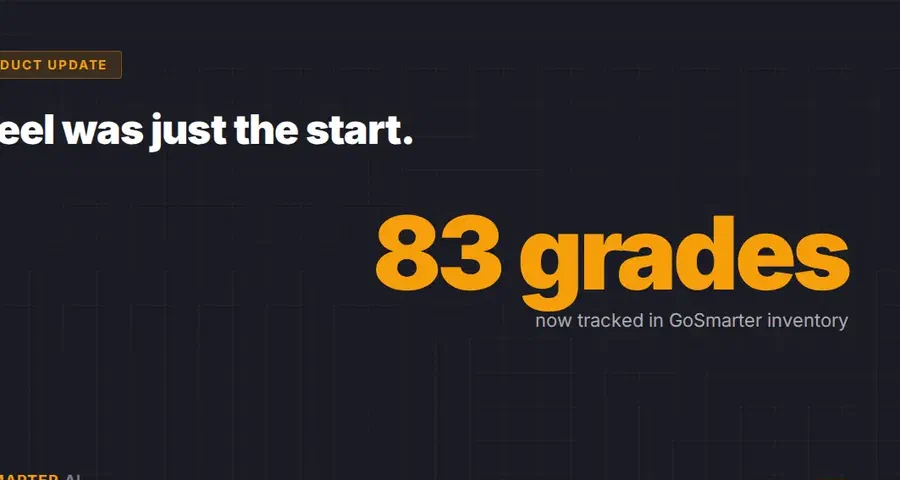
GoSmarter Now Covers Non-Ferrous Metals: Copper, Bronze, and Beyond
- Steph Locke
- Blog
- Jun 1, 2026
- Updated
GoSmarter has expanded beyond steel. The platform ships with a built-in starter list of 83 grades and 18 product forms (including Cu-Ni, bronze, and aluminium-bronze) ready to use with zero configuration. Your own grades, including ERP-mapped IDs, can replace or extend the starter list. The emissions calculator now covers copper alloys alongside steel, with CBAM-ready regional factors for aluminium.
GoSmarter vs TallyPrime: Which should Indian metals small and medium businesses use first?
- Steph Locke
- Blog
- May 20, 2026
- Updated
TallyPrime is for finance and GST. GoSmarter is for mill cert processing, cutting optimisation, and production scheduling. Most Indian metals small and medium businesses should keep TallyPrime and add GoSmarter in phases.
Thinking Bigger: Steph Locke at the Cardiff and Vale College FinTech Wales Coding Bootcamp, May 2026
- Steph Locke
- News
- May 18, 2026
- Updated
On 18 May 2026, Steph Locke joined Cardiff and Vale College and FinTech Wales for a coding bootcamp inspiration day. She talked about mindset: thinking bigger, thinking differently, and thinking ethically. This is what the room looked like.
GoSmarter vs Katana and Fiix for Metals Inventory and MTO Planning
Katana is a generic MTO manufacturing platform. Fiix is a CMMS. GoSmarter is built specifically for metals: mill certificate traceability, long product cutting, EN 10204 compliance. Here is who should use which.
GoSmarter vs Lantek, Sigmanest, and Bystronic for Cutting Planning
GoSmarter handles long product cutting optimisation (rebar, sections, tubes). Lantek, Sigmanest, and Bystronic handle 2D plate and sheet nesting. Here is the honest comparison and a clear decision framework for metals businesses.
Improving the Process for Fabricators Who Buy Stock Per Job
- Steph Locke
- Blog
- May 1, 2026
- Updated
A practical walkthrough for to-order fabricators: where certificate rework happens, how to fix it, and three ways to deploy GoSmarter without disrupting production.
GoSmarter vs Certivo for Mill Certificate and Quality Management
Certivo brings serious capability to quality and compliance document management. GoSmarter brings AI-powered mill certificate extraction and metals-specific validation. Here is the honest comparison and where the two work best together.
Why Supporting Early-Stage Careers Really Matters: What We've Learned Along the Way
At Nightingale HQ we have invested in early-stage career development for years through internships, apprenticeships, and graduate placements. Here is what we have learned about what works, what does not, and why it matters.
GoSmarter vs Strumis for Structural Steel Management
Strumis was designed for structural steel fabrication: BIM integration, workshop production, material allocation. GoSmarter was designed for inventory management and mill cert traceability. They serve different parts of the steel value chain, and they work together well.

The Bone Yard Is Killing Your Margins: The Metal Waste Paradox
- Steph Locke
- Blog
- Apr 16, 2026
- Updated
Forgotten yard stock drains margin and space. Learn a practical clean-up and offcut workflow that cuts buying, waste, and planning delays.
GoSmarter vs Jonas Metals for Metals Distribution Management
Jonas Metals is purpose-built for the metals distribution industry and has been for decades. GoSmarter approaches the same problems with modern AI. Here is the honest comparison between two tools that both know steel.
Why Some Metals Manufacturers Don't Choose GoSmarter After a Trial or Demo
GoSmarter is not right for every metals operation. This page explains the four most common reasons companies trial GoSmarter and decide not to proceed: integration complexity, volume below the ROI threshold, team readiness, and scope mismatch with a full MES requirement.
GoSmarter vs Epicor for Metals Operations Management
Epicor is a mature, capable ERP built for manufacturers. It is also complex, expensive, and not built specifically for steel. GoSmarter fills the metals-specific gaps. The two can work together.
AI Tools for Compliance-Driven Document Operations in Metals
- Steph Locke
- Blog
- Apr 6, 2026
- Updated
Manual cert filing is a compliance risk. See how AI tools automate document operations in metals — from OCR extraction to audit-ready traceability.
Integrated Planning–Materials Alignment for Metals Manufacturers
Integrated planning–materials alignment is the practice of ensuring every production decision — cut plans, job allocations, customer commitments — runs against the same live, verified material data. GoSmarter makes this possible without a multi-month ERP project.
Mill Certificate Automation Software: Which Tool Is Right for Your Business?
A vendor-neutral buyer’s guide to mill certificate automation software for metals manufacturers — covering five categories of tool, an honest eight-tool comparison table, real failure modes on multi-heat and foreign-language certs, deployment patterns, and a scenario map for every buyer profile.
Tier-Based AI Adoption for Metals Manufacturers: Start at Starter, Unlock More as You Grow
Tier-based AI adoption lets metals manufacturers start at Starter for traceability foundations, then unlock compliance automation at Workshop and full end-to-end traceability at Production. GoSmarter is designed for this pattern: each tier delivers value and unlocks more as you grow.
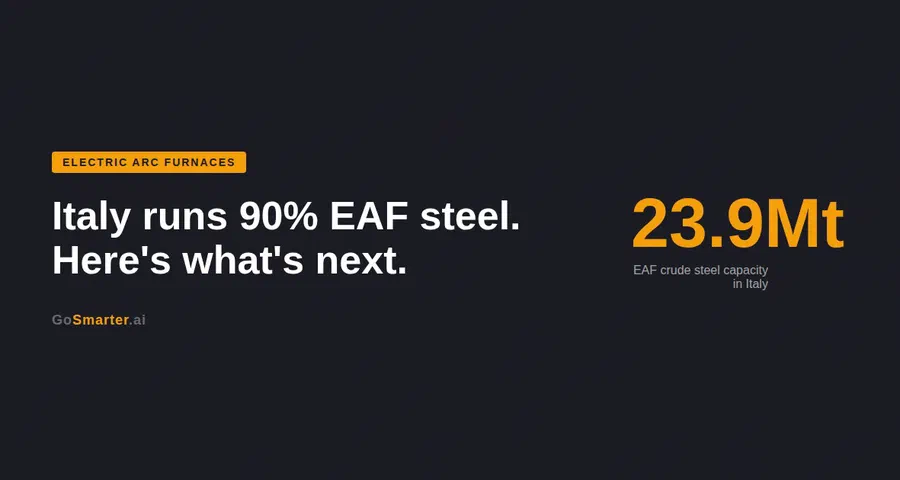
Italy's Electric Arc Furnaces: 23.9Mt Capacity and Three Bets on the Future
Italy produces 90% of its steel via EAF. Three new furnace projects are reshaping the map. Here’s what EAF operators need to manage.
ROI of AI in Metals Manufacturing: Real Numbers, Real Payback Periods
AI vendors throw around vague ROI claims. This page shows real numbers: how to calculate payback periods for mill cert automation and cutting optimisation, with benchmarks from a live production trial at Midland Steel.
GoSmarter vs Sage 50 for Metals Inventory Management
Sage 50 handles your books brilliantly. It was not built for tracking steel by heat number and grade across a yard. GoSmarter fills that gap, and the two tools work together rather than against each other.
BS EN 1090 and NSSS Compliance: Stop Drowning in Structural Steel Paperwork
BS EN 1090 and the National Structural Steelwork Specification require traceable, auditable mill certificate records. Manual management means compliance risk. GoSmarter fixes that.
GoSmarter vs Excel for Metals Inventory Management
Excel is the default tool for metals inventory, but it was not built for steel. GoSmarter was. Here is where each one wins and when it makes sense to use both.
Cloud MES Software: What It Actually Costs and Whether It's Right for Your Factory
You’re a plant manager researching MES options. This guide explains what cloud MES is, how it differs from on-premise, what the top commercial solutions look like, and how to compare them on TCO without getting sold a lemon.
Rebar Quotation Is Eating Your Week. AI Fixes That.
Rebar quotation is one of the most time-consuming, error-prone jobs in a rebar merchant or fabricator’s day. Here’s how AI rebar systems change that — and what to look for in one.
Metals Manufacturing Glossary: Plain-English Definitions for the Shop Floor
Plain-English definitions of the technical terms metals manufacturers use every day: mill certificates, EN 10204, heat numbers, cutting optimisation, yield, traceability, and more.
What are Long Products in Steel? Bars, Rebar, Sections, and Tube Explained
Long products in steel manufacturing include bars, rods, angles, channels, beams, rebar, and tube — any steel formed in a continuous linear cross-section. They’re the primary material for construction, engineering, and fabrication, and they create unique cutting and traceability challenges.
What is a 3.1 Certificate? EN 10204 Types Explained
EN 10204 defines the types of material test certificates that metals manufacturers must issue and hold. Understanding the four types — 2.1, 2.2, 3.1, 3.2 — is essential for compliance in construction, aerospace, energy, and automotive supply chains.
What is a Heat Number in Steel? Traceability From the Mill
A heat number identifies a single production batch of steel from the melting process. It’s the starting point for material traceability. Every mill certificate, every stock item, and every delivery needs to trace back to a heat number.
What is a Mill Test Certificate? A Plain-English Guide
A mill test certificate (MTC) is the document issued by a steel mill to certify that a batch of metal meets a specified grade and material standard. Understanding what’s on a cert — and how to manage them efficiently — is critical for metals manufacturers.
What is Cutting Optimisation in Steel Manufacturing?
Cutting optimisation solves the cutting stock problem: given a set of standard-length stock bars, find the combination of cuts that fulfils all orders with minimum scrap. For long products manufacturers, this is one of the highest-value applications of AI.
What is ERP in Metals Manufacturing — and Why Do So Many Manufacturers Outgrow Theirs?
ERP systems manage finance, procurement, sales orders, and production in one place. But most ERPs were not built for metals-specific workflows: they can’t read mill certificates, generate optimised cut plans, or track stock by heat number. GoSmarter fills the gap without replacing your ERP.
What is Metals Inventory Management? Why Steel Is Different From Widgets
Metals inventory management tracks steel and other materials by grade, size, heat number, and certification status — not just location and quantity. This specificity matters because not all stock of the same nominal size is interchangeable.
What is Rebar? Reinforcing Bar Explained for Manufacturers and Fabricators
Rebar (reinforcing bar) is steel bar used to reinforce concrete structures. In the UK and Europe it’s governed by BS 4449 and BS 6744. For rebar manufacturers and cut-and-bend fabricators, compliance documentation, material traceability, and cutting efficiency are critical operational requirements.
What is Steel Traceability? From Mill to Customer
Steel traceability means being able to trace any piece of metal from the original mill heat through every stage of processing and delivery. It’s a legal and commercial requirement in construction, aerospace, energy, and automotive — and it starts with the mill certificate.
What is Yield Rate in Steel Manufacturing? Formula, Benchmarks, and How to Improve It
Yield rate measures how much of your input material becomes usable output. In steel manufacturing, a 1% yield improvement on high-volume production can mean tens of thousands of pounds of recovered material. This guide explains the formula, benchmarks, and how to drive improvement.
AI for Metals Manufacturing: What It Does and Where GoSmarter Fits
AI in metals manufacturing is not magic — it is a set of specific capabilities: reading documents, optimising constrained problems, and surfacing useful data. GoSmarter applies all three to the workflows that matter most.
GoSmarter AI for Metals Manufacturers
GoSmarter AI is purpose-built for metals manufacturers, automating mill certificates, cutting optimisation, and inventory management.
GoSmarter App — Access Your Production Tools
What the GoSmarter App Does The GoSmarter app is a secure web platform at app.gosmarter.ai — no installation, no IT project, no waiting for a vendor to configure things for six months. You open a browser, log in, and start using it.
GoSmarter for Metals Operations: The AI Toolkit Built for the Shop Floor
GoSmarter is the AI toolkit for metals manufacturers: mill-cert automation, cutting optimisation, inventory traceability, and production planning, all in one place.
GoSmarter vs Generic OCR/IDP Tools for Mill Certificates: Why Metals-Specific AI Wins
Generic OCR and IDP tools fall apart on real-world mill certificates — multi-heat documents, non-English formats, domain-specific data. GoSmarter was built specifically for metals, and it shows.
Mill Certificate Automation for Metals Manufacturers: The Complete Guide
GoSmarter’s MillCert Reader automates mill certificate extraction for metals manufacturers — saving 120+ hours a year, eliminating manual entry errors, and building a full audit trail automatically.
No-Code Metals SME Software: AI Without the IT Department
GoSmarter brings AI-powered production workflows to metals SMEs without needing an IT department, implementation project, or technical skills. Every tool is point-and-click and live within a week.
UK Rebar Sizes: Stop Googling the Same Chart Every Time
- Steph Locke
- Blog
- Mar 4, 2026
- Updated
Stop Googling the same rebar weight tables every time. Here’s every standard UK reinforcing bar size, weight per metre, and cross-sectional area in one place — plus the maths behind it.

Stop Running Your Factory Like It’s 1985.
- Steph Locke
- Blog
- Feb 26, 2026
- Updated
Still typing mill certs and juggling spreadsheets? Kill 1985 tech—AI extracts certs, auto-schedules and slashes scrap so your floor stops firefighting.
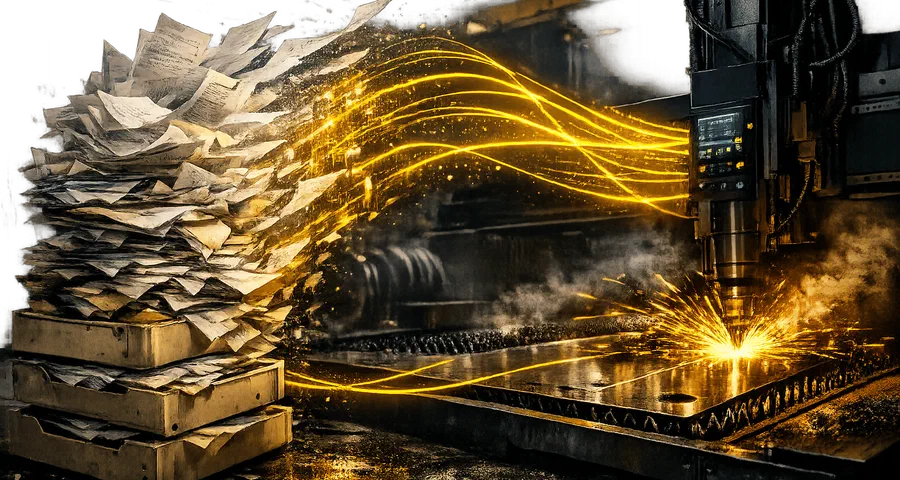
Stop Drowning in Paperwork: Why Your Inbox is Killing Your Production Speed.
- Steph Locke
- Blog
- Feb 25, 2026
- Updated
Stop letting inbox overload and manual data entry kill output - see how AI automates RFQs, mill certificates and cut lists to cut admin, scrap and delays.
Your Spreadsheets Are Not a Database (So Stop Pretending They Are).
- Steph Locke
- Blog
- Feb 24, 2026
- Updated
Stop typing mill certs and chasing broken XLSX files. Learn how databases and AI kill manual errors, cut scrap and restore real-time traceability.
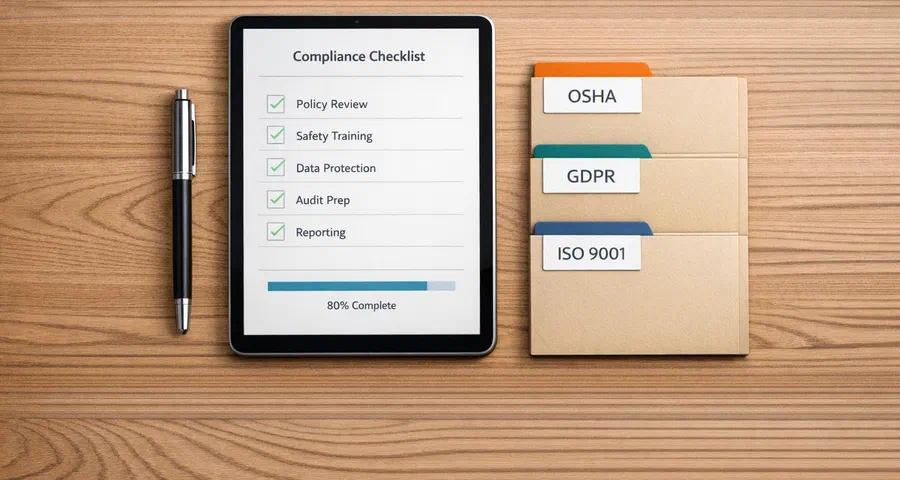
Compliance Checklists That Don't Suck
- Steph Locke
- Blog , Free tools
- Feb 11, 2026
- Updated
Stop guessing if you’re legal. Generate OSHA, GDPR, or ISO 9001 checklists that actually make sense.

Material Yield Planner: Stop Throwing Money in the Bin
- Steph Locke
- Blog , Free tools
- Feb 9, 2026
- Updated
Calculate exactly how many parts you can get from a sheet. Stop guessing and stop wasting metal.
Stop Underpricing Your Work: Manufacturing Cost Estimator
- Steph Locke
- Blog , Free tools
- Feb 6, 2026
- Updated
Know exactly what a job costs before you quote it. Stop working for free.
Metal Weight Calculator: Stop Guessing Before the Job Starts
- Steph Locke
- Blog , Free tools
- Feb 5, 2026
- Updated
Calculate the weight of steel rebar, metal plates, bars, and tubes before your fabrication job goes sideways. Free. No sign-up.

Another Suit Wants to Buy British Steel
- Steph Locke
- Blog
- Feb 4, 2026
- Updated
Michael Flacks thinks he can save British Steel. Good luck to him.
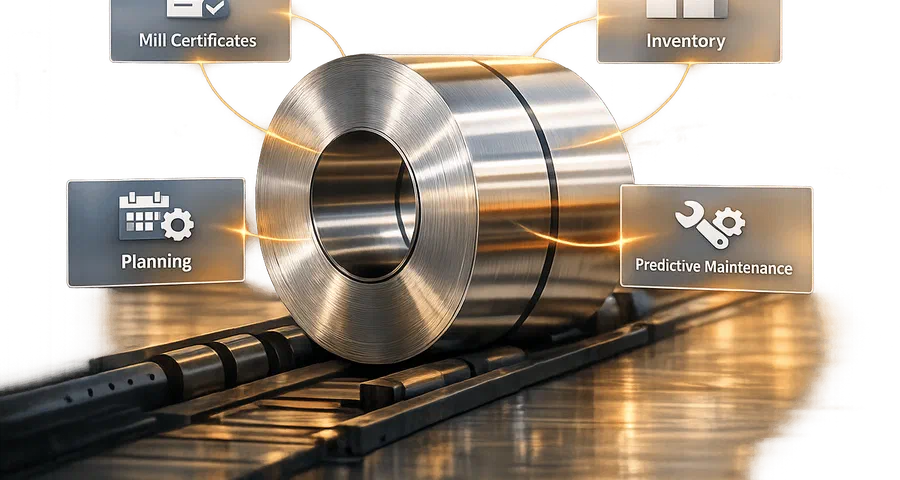
Kill the Busy Work: Why Automation Matters
- Steph Locke
- Blog
- Feb 3, 2026
- Updated
Stop wasting 120+ hours a year on paperwork. Automate it.
Steel Grade Converter: Stop Memorizing Tables
- Steph Locke
- Blog , Free tools
- Feb 2, 2026
- Updated
What’s the DIN equivalent of 316L? Stop guessing and use this tool.
BlueScope to Low-Ball Bidders: 'Try Harder'
New CEO Tania Archibald isn’t selling the farm for cheap.
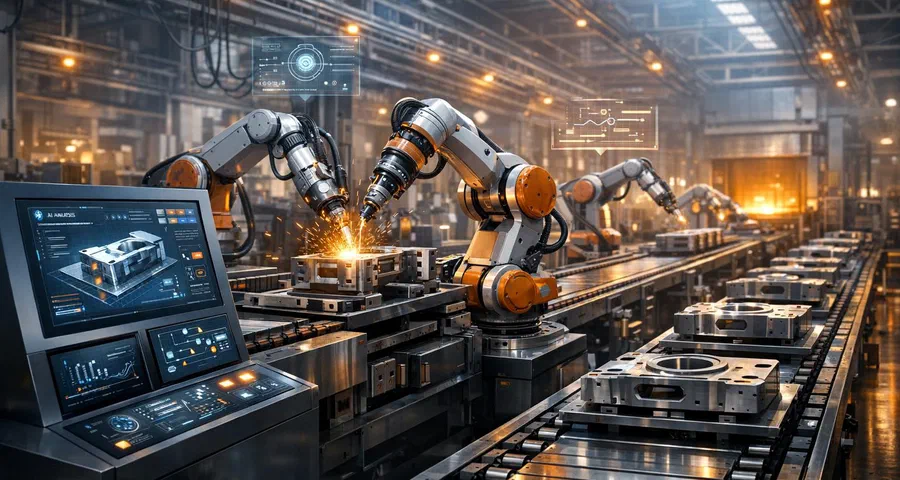
5 Problems That Are Killing Your Production (And How to Fix Them)
- Steph Locke
- Blog
- Jan 13, 2026
- Updated
Reduce downtime, stop making scrap, and stop wasting money.
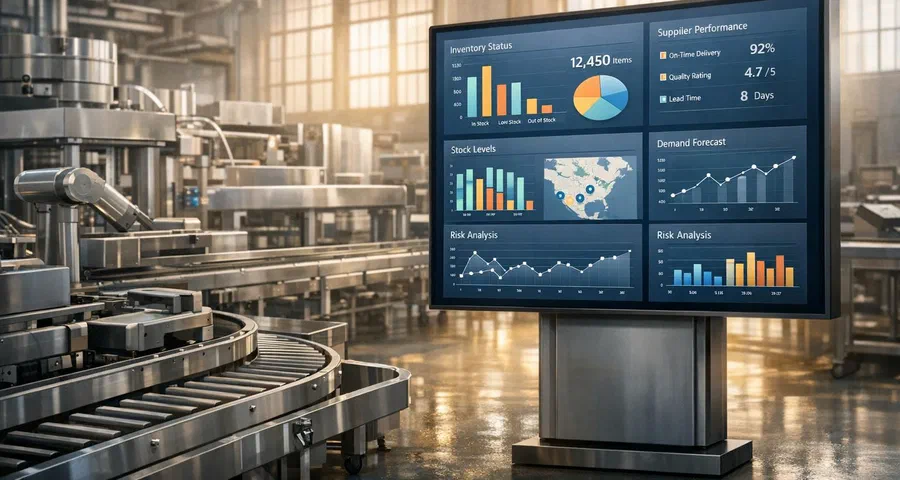
Why Your ERP Sucks at Supply Chain (And What to Do About It)
- Steph Locke
- Blog
- Jan 12, 2026
- Updated
Most ERPs are giant, expensive filing cabinets. Here’s how to actually use them to stop your supply chain from blowing up.
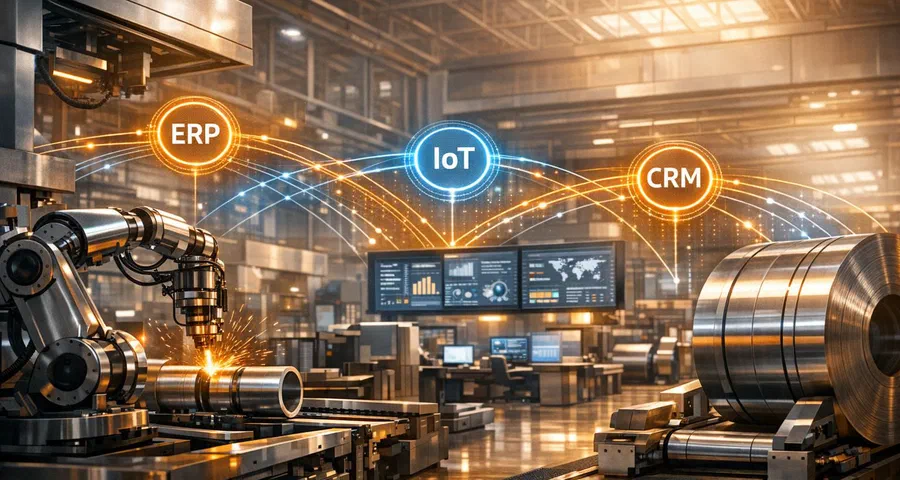
How AI Transforms CRM for Metals Manufacturing
- Steph Locke
- Blog
- Jan 11, 2026
- Updated
How AI-powered CRM unifies ERP, IoT and CRM data to automate tasks, improve demand forecasting, cut costs and strengthen customer relationships.
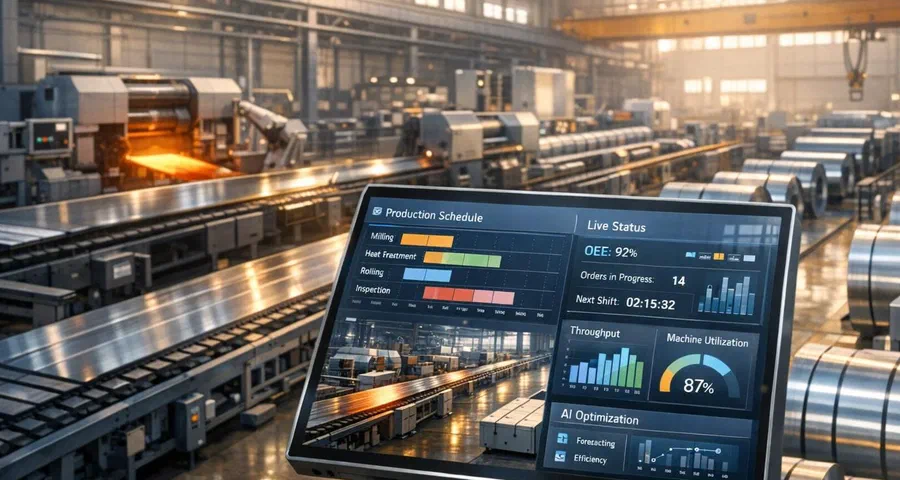
AI Tools for Production Scheduling in Metals
- Steph Locke
- Blog
- Jan 10, 2026
- Updated
AI scheduling tools cut scrap, lower costs, automate mill-certificate handling and enable real-time production planning for metals manufacturers.
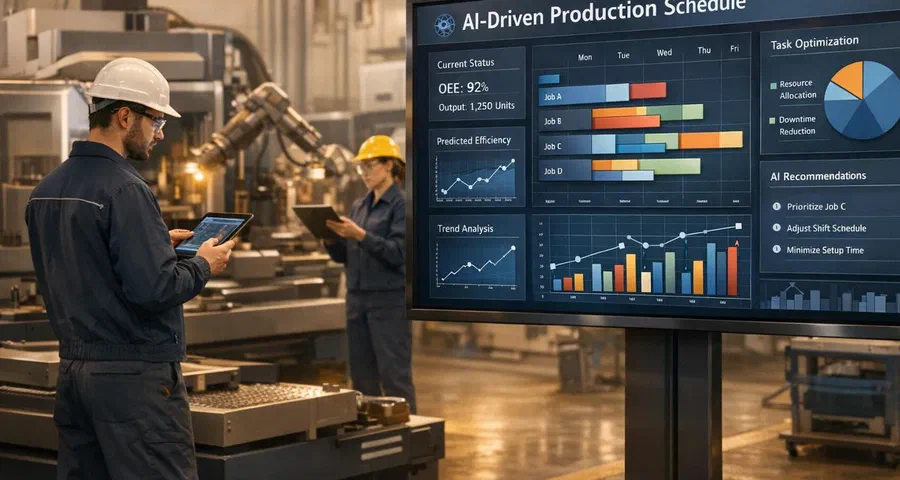
AI in ERP: Smarter Production Scheduling
- Steph Locke
- Blog
- Jan 9, 2026
- Updated
AI-powered ERP transforms metals production scheduling with real-time data, cutting planning time and scrap while boosting capacity and on-time delivery.
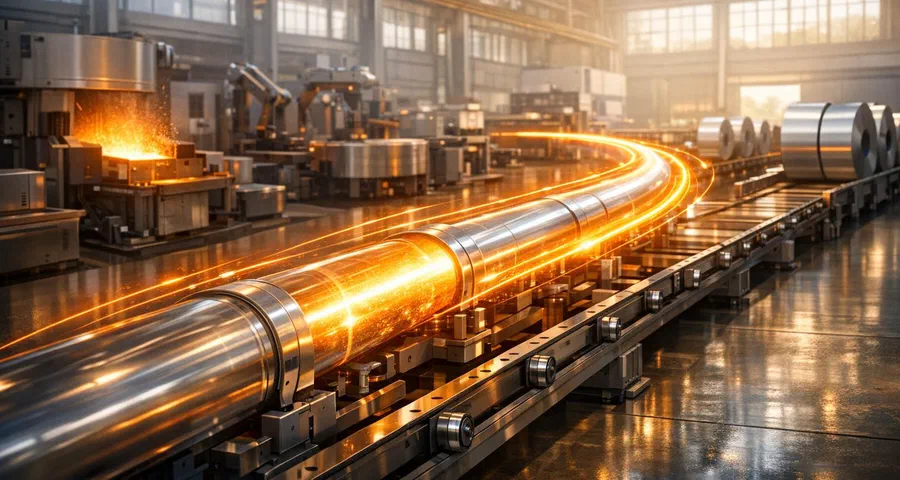
AI‑Powered Flow Optimisation: What Leading Metals Producers Know That You Don't
- Steph Locke
- Blog
- Jan 8, 2026
- Updated
How AI boosts metals production: real-time control and planning that raise throughput, cut energy and emissions, and outline steps to pilot.
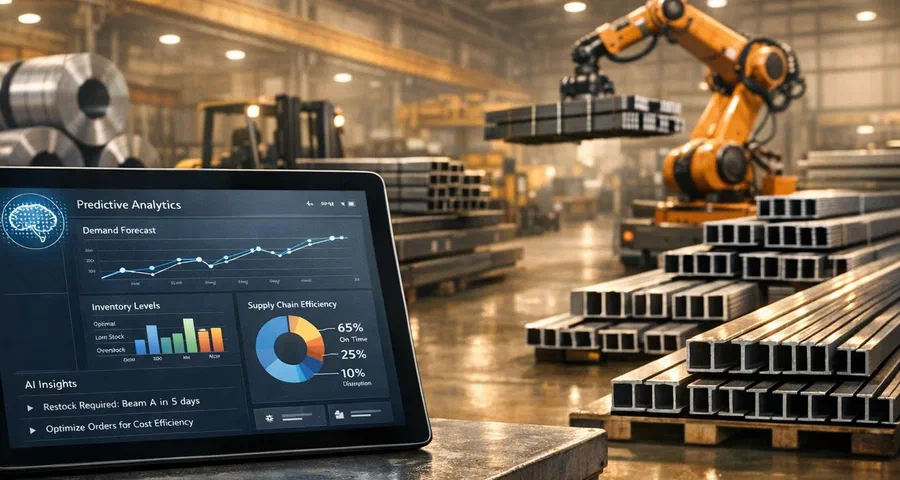
AI in Steel Inventory: Case Studies and Results
- Steph Locke
- Blog , Case studies
- Jan 7, 2026
- Updated
AI in steel inventory and stock management: case studies on vision systems, predictive analytics, and what to look for in a steel stock management app.

Cloud-Based vs On-Premise Manufacturing Software: A Comparison
Compare cloud and on‑premise manufacturing software across cost, deployment, customisation, scalability, security and remote access to decide the best fit.
How to Cut Production Delays with Automated Workflows
AI-driven automated workflows reduce manufacturing downtime by digitising certificates, providing real-time inventory data and cutting manual errors.
10 Signs Your Metal Shop Needs Process Automation
- Steph Locke
- Blog
- Dec 12, 2025
- Updated
Manual processes are holding many metal shops back—rising costs, quality variation and bottlenecks show it’s time to automate.
Manual vs Digital Inventory Tracking: Which Saves More Time?
- Steph Locke
- Blog
- Dec 9, 2025
- Updated
Digital inventory tracking cuts time and errors versus manual counts by automating scans, providing real‑time visibility and scalable workflows.
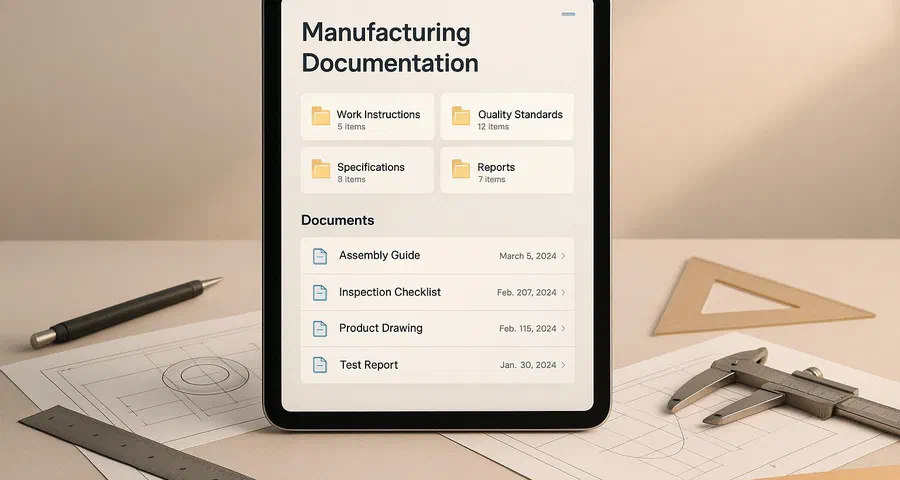
5 Best Practices for Managing Manufacturing Documentation
- Steph Locke
- Blog
- Dec 9, 2025
- Updated
Standardise, digitise and automate manufacturing records to improve traceability, version control and audit readiness.
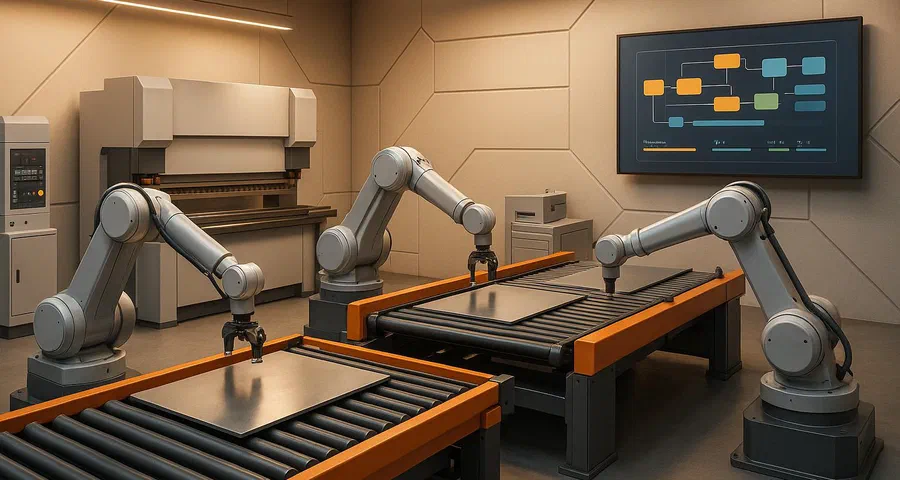
The Complete Guide to Streamlining Metal Fabrication Operations
How UK metal fabricators can reduce waste, cut lead times and boost output using workflow mapping, KPIs, AI scheduling and automation.
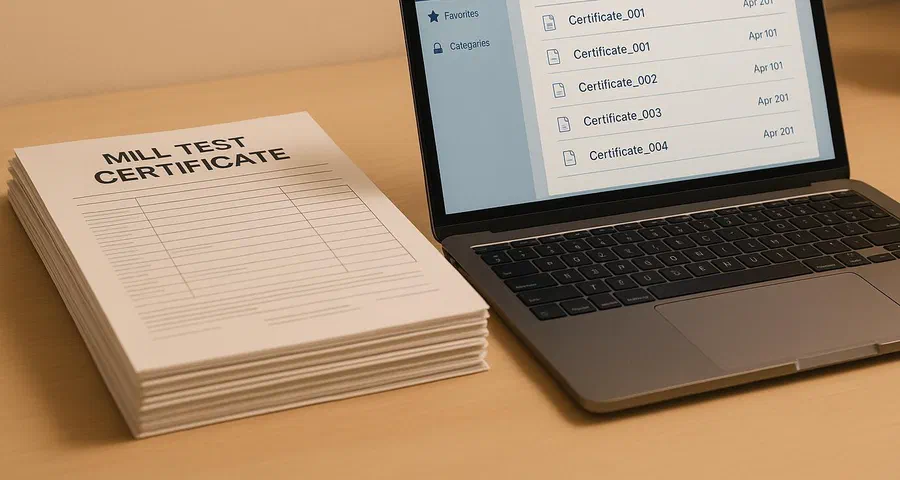
Mill Test Certificate Management: Common Questions Answered
Clear answers on Mill Test Certificates: what MTCs contain, EN 10204 types, verification, common issues and AI automation with digital audit trails.
7 Ways to Reduce Paperwork in Metal Manufacturing
- Steph Locke
- Blog
- Dec 8, 2025
- Updated
Seven digital strategies—AI docs, MES, cloud inventory, ERP and e-signatures—to cut paperwork, speed production and improve compliance.
Steel Mill Certificate Management Software: How to Automate in 5 Steps
Use steel certificate management software to automate mill cert handling in 5 steps — reduce errors, close compliance gaps, and stop wasting hours on manual admin.
Compliance Management Checklist for Metals Manufacturers
Comprehensive checklist for metals manufacturers covering UK REACH, import/export rules, ISO standards, supplier qualification, traceability, emissions and digital tools.
Wales Tech Week 2025: Connecting, Showcasing, and Inspiring Welsh Innovation
Wales Tech Week 2025 brought together leading figures from the Welsh tech ecosystem to connect, share insights, and celebrate innovation. Highlights included discussions on digitalisation in manufacturing, honest conversations about the role of failure in entrepreneurship, and a strong focus on collaboration and funding for the sector. Nightingale HQ was recognised with the Best Greentech Award for its work in sustainable manufacturing, reflecting the event’s emphasis on impactful technology and the growing global reputation of Welsh tech.

Nightingale HQ team attend UK Metals Expo
- Steph Locke
- News
- Sep 9, 2025
- Updated
Nightingale HQ team attend UK Metals Expo on 10 and 11 September at the NEC, Birmingham.
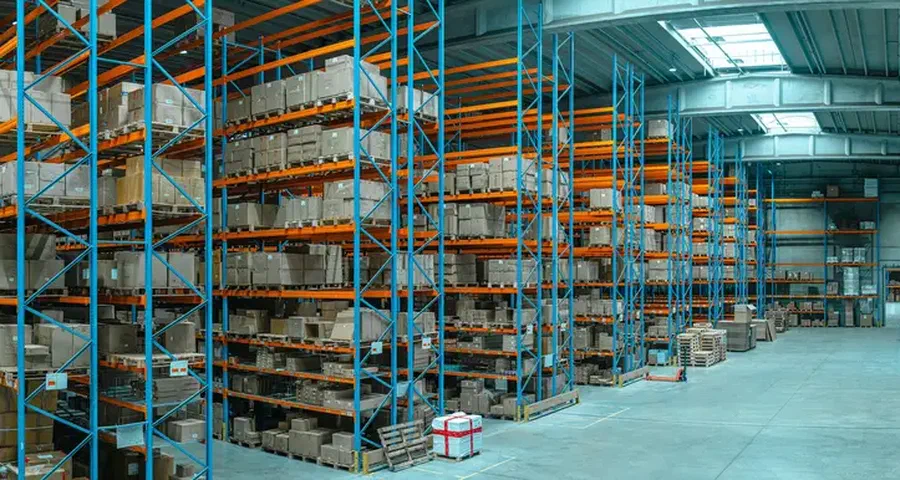
Resilient supply chains: Microsoft technologies to assist with productivity and efficiency
- Steph Locke
- Archive
- Dec 9, 2021
- Updated
Manufacturers can adapt to disruptions successfully, ensuring business continuity during distress, by building a resilient supply chain based on Microsoft tech. By modernising your supply chain you can optimise your workforce, build agile planning and distribution processes, enhance supply chain visibility, and maximise asset uptime and efficiency.

6 board-level agenda items and how AI can help
Persistent COVID-19 uncertainty, disruptive technologies, and supply chain challenges are some of the big concerns facing manufacturing CEOs and corporate leaders right now. However, despite uncertainty, we are seeing some promising trends around automation and transforming processes from the back office to the factory floor. Here are the top six board-level agenda items and a look into how AI can help.
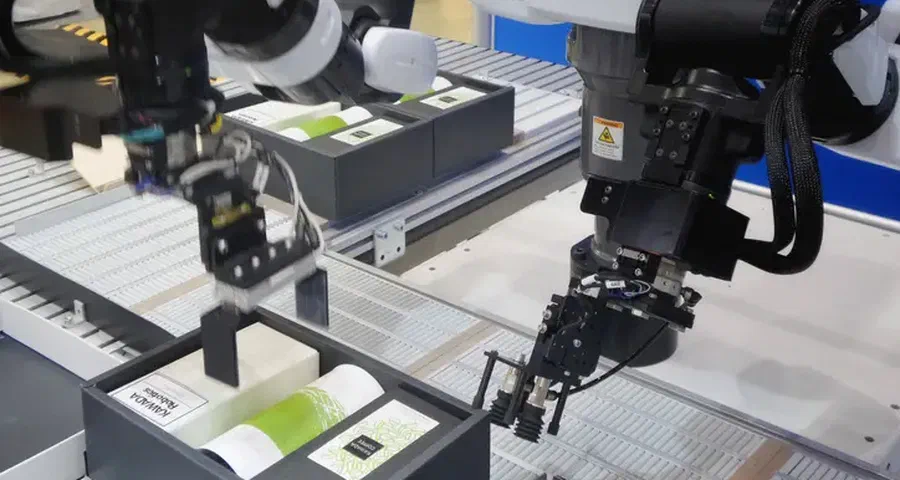
Digitising your factory floor is hard
- Steph Locke
- Archive
- Nov 9, 2021
- Updated
Digitising your factory floor is hard, that’s why we try to accelerate digital transformation in other operational areas. Focusing on helping workers, modernising core functions like Finance, and supporting your growth, gives you the opportunity to demonstrate value whilst gaining digital technology maturity. It’s hard to rapidly change, acquire expertise, and digitise the factory floor at the same time. By working in areas that are easier to change you can free up vital staff time to dedicate to the harder challenges.

Investing in digital technology lowers future operating costs for manufacturers
There are so many benefits to going digital with your business including cutting your future operating costs and becoming more sustainable. We’ve taken a look at the UKRI’s report on productivity opportunities and risks in a transformative, low-carbon and digital age which looks at this in more detail.

What manufacturing SME's need to know about IIoT and cyber-security
- Steph Locke
- Archive
- Sep 30, 2021
- Updated
IIoT can have benefits for manufacturing businesses of all types and sizes. It can be particularly useful in providing transparency and tracking along the supply chain but that’s just the start. To stay safe, it is vital you develop strong cyber security practices around IIoT. Here we offer some best practices and how to approach them.

UK Government supports AI approaches to manufacturing sustainability
The UK government released its AI strategy on 22nd September 2021. We’ve looked at the report and broken down how this will affect the manufacturing industry going forward. We outline some key areas such as skills shortages, addressing net-zero challenges, and new product development as well as the next steps manufacturers can take.

Digitalising your business processes to be more sustainable
Digitalising your business processes might help you run a more sustainable, environmentally friendly manufacturing operation. Simply digitising your records and reducing physical resource usage is an excellent place to begin. Taking it a step further and re-engineering the way you work to be smoother, more integrated, and less data entry dependent while digitalising can save you even more compute power (and therefore energy!).

Cloud Migration: important for a green future
Cloud providers like Microsoft are making their data centres greener and carbon neutral, whereas your in-house servers and associated resources are burning energy. As well as potentially lowering your compute costs, revitalising your IT infrastructure, reducing risk, the green advantages make a cloud move a must for any manufacturer with sights on a net zero goal.

Design, manufacture, and ship products more sustainably with AI
AI can help manufacturers design, make, and ship products more sustainably. From lowering waste through defect detection, to generative design to reduce prototype waste, to smart energy management and predictive maintenance, manufacturers can use AI to make a big impact.
What does NatWest's Future Fit report say about digital transformation for manufacturers
The latest Future Fit report focuses on “trailblazers” and what makes them different to other organisations. It covers the importance of innovation and of current developments in the industry such as digital transformation.

Can AI get you sued? How AI impacts IP
- Steph Locke
- Archive
- Aug 12, 2021
- Updated
AI and intellectual property is a minefield. The UK Intellectual Property Office recently completed a public consultation to inform their policy and here I bring you thoughts and highlights.

What Data Integration Maturity Level Are You? - No-Code Serverless or Code-First
- Steph Locke
- Archive
- Aug 10, 2021
- Updated
Data integration capabilities are a key part of your ability to make data-driven decisions. Depending on where your business it at, using no-code tools or code-first tools will be right for you.
Manufacturers - you need DataOps
DataOps also helps you build a more agile digital supply chain by enabling analytic teams to automate their processes, which in turn reduces cycle time on data analytics. Getting this data infrastructure right is critical for helping Operational Technology (OT) get the most out of real-time data to optimise processes. DataOps is part of your ability to move quickly in the digital space. It should be part of your overall approach to your developer velocity and can help staff to discover the data they need to drive insightful improvements in your organisation.
Investing in tools scales staff productivity
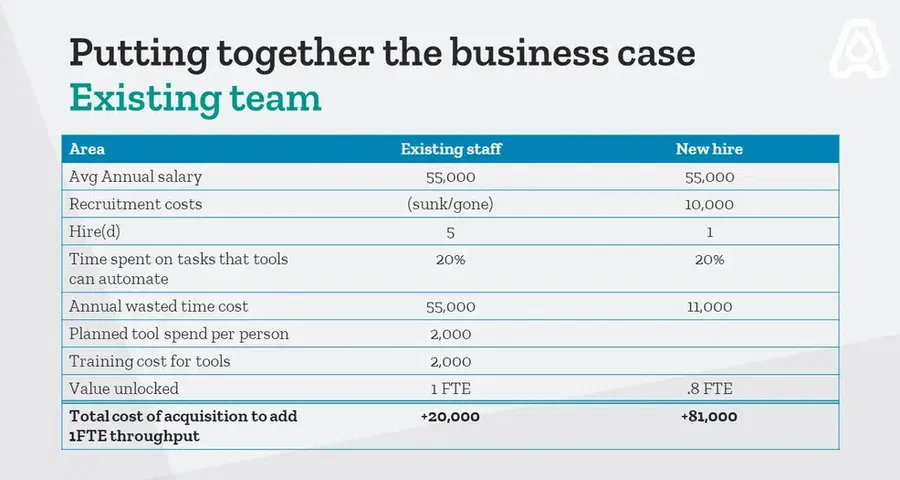
Businesses with the highest productivity experience more stable and consistent revenue growth, as well as being able to adapt more quickly. With less waste and more staff power focussed on growth, manufacturers with an investment in tooling are more operationally resilient.

Chatbots explained
Chatbots are computer programmes that provide a (primarily) text-based interface to help people access information or perform tasks. Chatbot conversations can help you improve customer service whilst reducing demand on staff. They can process text using natural language processing and build a conversational workflow to support a intuitive interaction with people.

How to move your operations to the cloud - what you need to know
You’ve probably heard of the cloud but what is it and how can it help your business? Learn how moving to the cloud can help you innovate and stay ahead of the curve when it comes to tech.
Tools matter for Developer Velocity
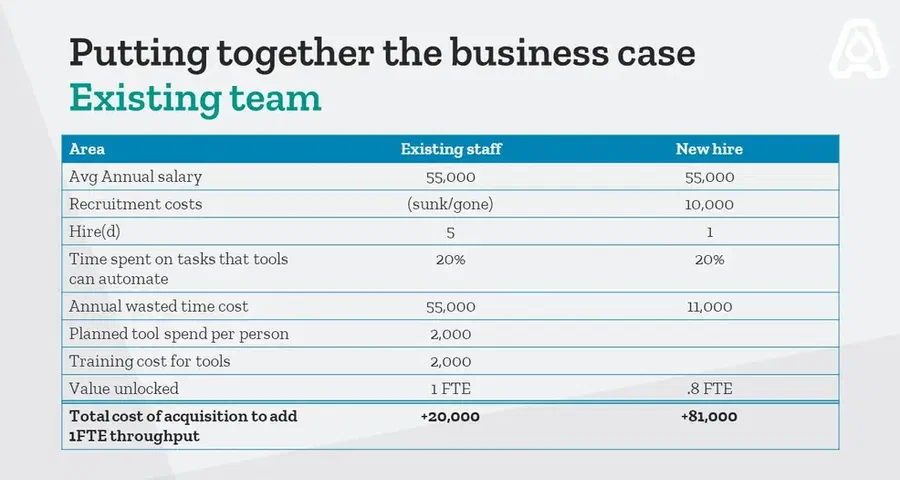
Businesses with the highest developer velocity experience the highest revenue growth, according to new research by Microsoft and McKinsey. Read on to understand how tools impact developer velocity and what the business case is for investing in them.
Developer Velocity
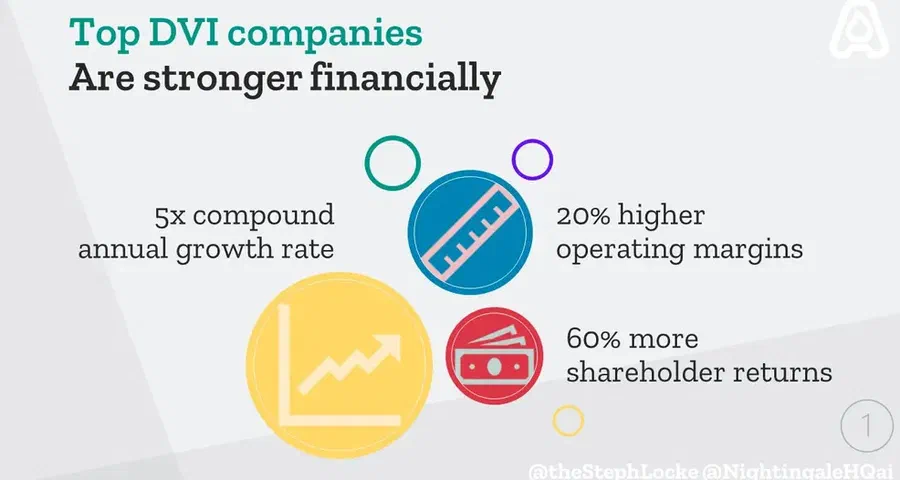
Businesses with the highest developer velocity experience the highest revenue growth, according to new research by Microsoft and McKinsey. Read on to understand the factors impacting developer velocity and how you can start building a strategy to improve this vital area of technology in your business.
Manufacturers: Are you digitising or digitalising?
- Steph Locke
- Archive
- Jun 22, 2021
- Updated
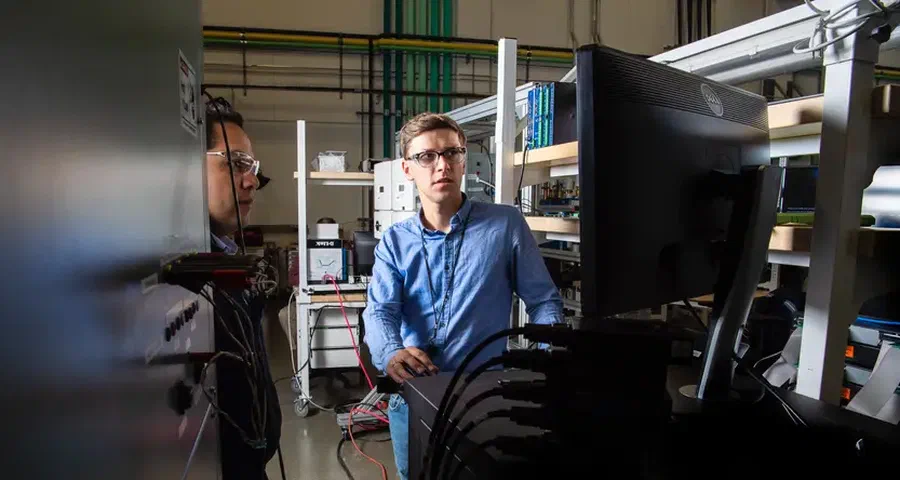
To digitise your business means to perform traditionally analogue processes or actions digitally. Rather than a few changes here and there, digitalisation involves a change in how to the process is performed to better leverage technology.

Microsoft Build 2021 announcements for manufacturers
- Steph Locke
- Archive
- May 25, 2021
- Updated
Microsoft Build 2021 is kicking off and whilst it tends not to be as announcement heavy as Microsoft Ignite, it’s still got some great things for manufacturers to pay attention to. This post gives a quick run down of the most important stuff you need to read about. Enjoy!

Smart Manufacturing is all about Real-Time Data Analytics
Manufacturers are spending far too much time on data entry or looking at stale data which is hindering growth. Here are seven ways real-time data can turn things around.

Announcing GoSmarter In A Day
- Steph Locke
- News
- May 21, 2021
- Updated
Our GoSmarter In A Day workshops solve one problem like processing Accounts Payable incoming invoices to demonstrate the value such automation can bring.
Reports supported by AI & automation
- Steph Locke
- Archive
- May 11, 2021
- Updated
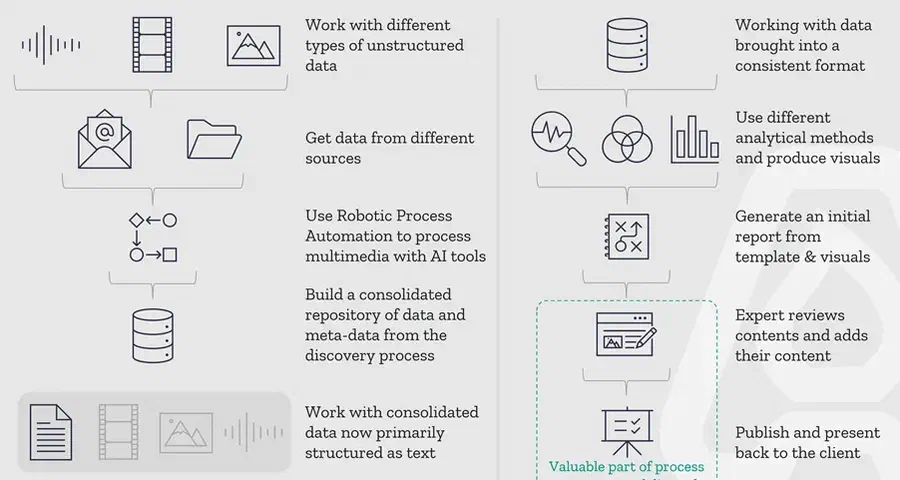
Data compilation for reports created by experts is usually more time consuming than writing the valuable content. Using AI and no-code automation techniques, data collation and visualisation can be greatly streamlined, letting staff focus on the value.

Checklists make everything better - including responsible AI!
Building a checklist to cover the six key areas of responsible AI can drive better outcomes and returns for your business. Start with the list of areas as a discussion aid and grow your checklist with use.

Using AI to make your warehouse operations smarter
You can benefit from lower overheads by using AI to manage stock levels, whilst building a more scalable warehouse operation that is safer for employees, using AI.
Detecting defects with AI - a computer vision challenge
With the pace of output on machines ever increasing, quality control becomes a lot tougher. Using AI to detect defective products sooner can help scale your quality processes and avoid significant stops.

EU to recruit world-class AI researchers
While Europe is a global leader in academic research of human-centric artificial intelligence we lag behind when it comes to putting research into practice.

Microsoft Ignite 2021 announcements for manufacturers
- Steph Locke
- Archive
- Mar 2, 2021
- Updated
Microsoft Ignite is kicking off and as usual it's packed with announcements. This post gives folks in manufacturing a quick run down of the most important stuff they need to read about. Enjoy!
Artificial Intelligence growth in the EU
- Steph Locke
- Archive
- Feb 18, 2021
- Updated
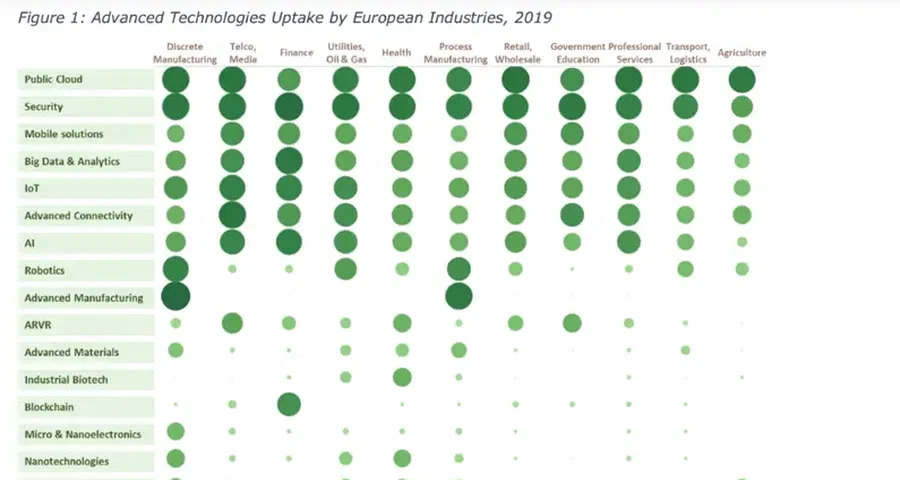
This article is part of an ongoing series - link no longer works sharing insights into the development of AI policy in Europe. In November last year we were appointed to the European DIGITAL SME Alliance focus group on Artificial Intelligence (AI), and as an 'AI intensive' SME, we provide feedback on the adoption of AI technologies in relation with the impact of EU initiatives on the topic.
Building operational resilience in times of crisis
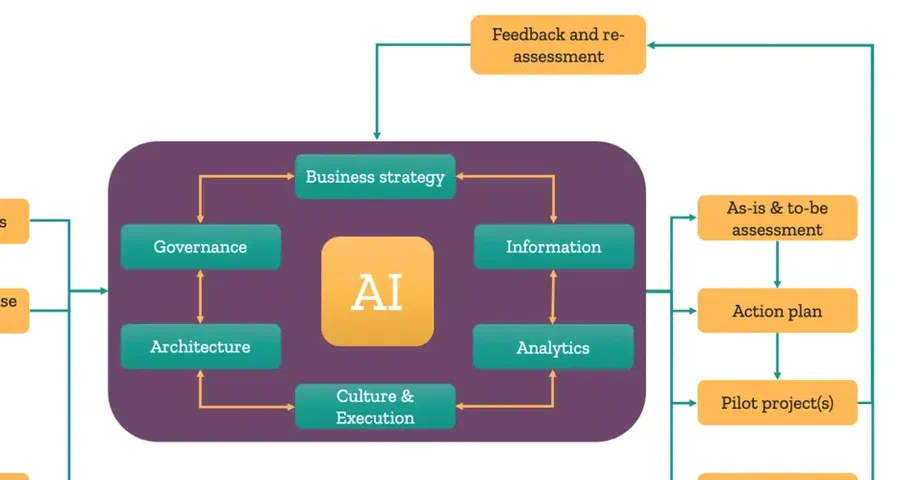
Operational resilience has always been a key factor in business success, but not enough businesses consider their ability to take stress in turbulent times until it is too late. Covid-19 has been a huge wake-up call for many, presenting uncertainty and disruption.
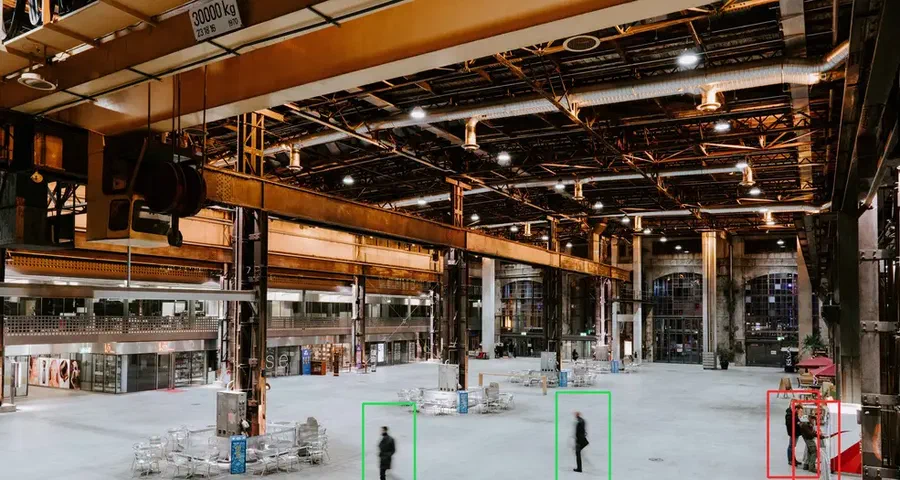
Ethical AI monitoring in the post-COVID workplace
- Steph Locke
- Archive
- Dec 14, 2020
- Updated
With the excellent news of the first COVID-19 vaccines being administered in the UK, things could be back to normal by next winter. In the meantime, we must remain vigilant and take precautions such as monitoring temperatures, social distancing, and other health and safety measures, to keep the impact of the virus to a minimum. AI can help to enforce these safety precautions, however ethical conduct and compliance with data privacy regulations remain imperative.
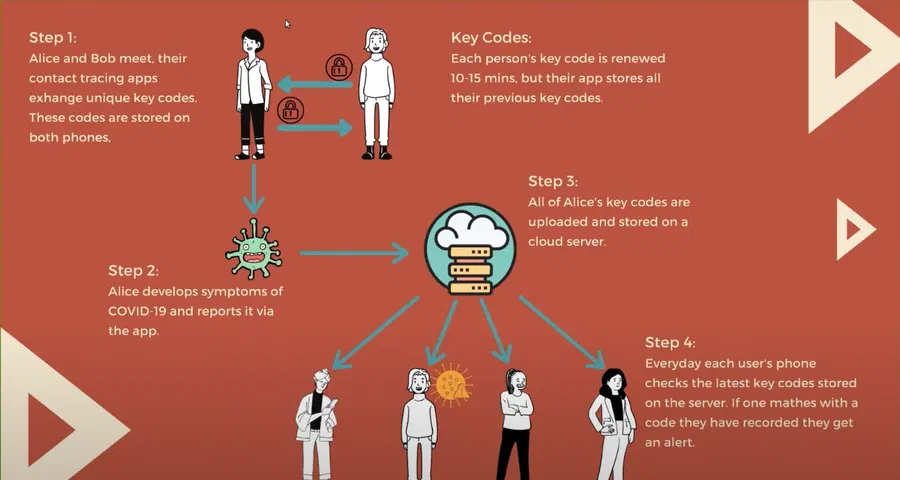
Breaking the chain with contact tracing
- Steph Locke
- Archive
- Oct 2, 2020
- Updated
There is no doubt that contact tracing apps can play a key role in crisis management especially as social distancing measures are lifted in countries across Europe and the rest of the world. In this guest blog, Dr Iain Keaney talks about solving the contact tracing privacy paradox with decentralised AI. He outlines how decentralised AI can preserve anonymity and solve privacy issues, not just in contact tracing, but as a business standard for AI, going forward.

Social listening for small businesses
- Steph Locke
- Archive
- Jul 21, 2020
- Updated
Our latest webinar was on social listening. Social listening is monitoring social media for feedback, mentions, or relevant chatter to gain insight or act. The price tag on this capability is at least $150 per month putting it outside the budget of a small business. With #GoSmarter, we're introducing a practically free and highly extendable option for small businesses.
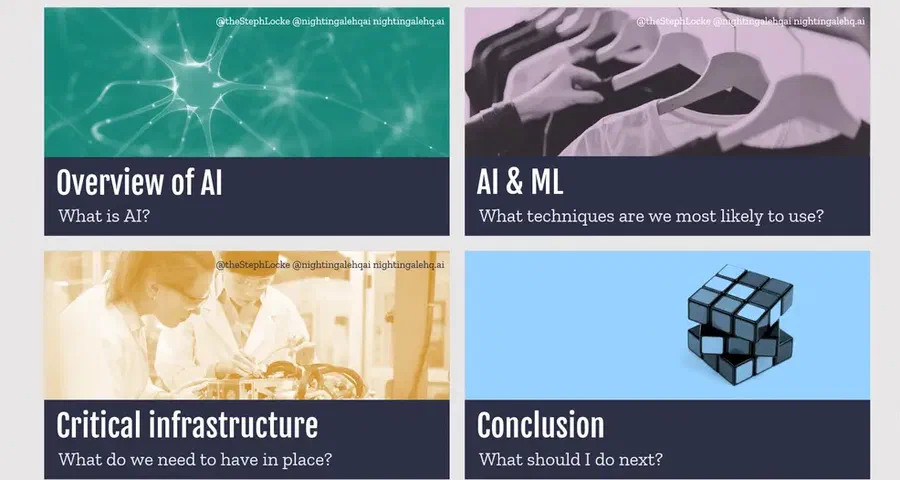
Understanding the techniques behind AI in manufacturing
- Steph Locke
- Archive , Learning , Blog
- May 22, 2020
- Updated
It’s no secret that the disruption of Industry 4.0 and the challenges presented by Covid-19 have been a push for manufacturers to evaluate digital transformation and consider going smart with AI in their factories. This article, adapted from the webinar shared below, is aimed at manufacturers who are interested in the techniques, data infrastructure and processes needed to support building internal data science & AI intellectual property.
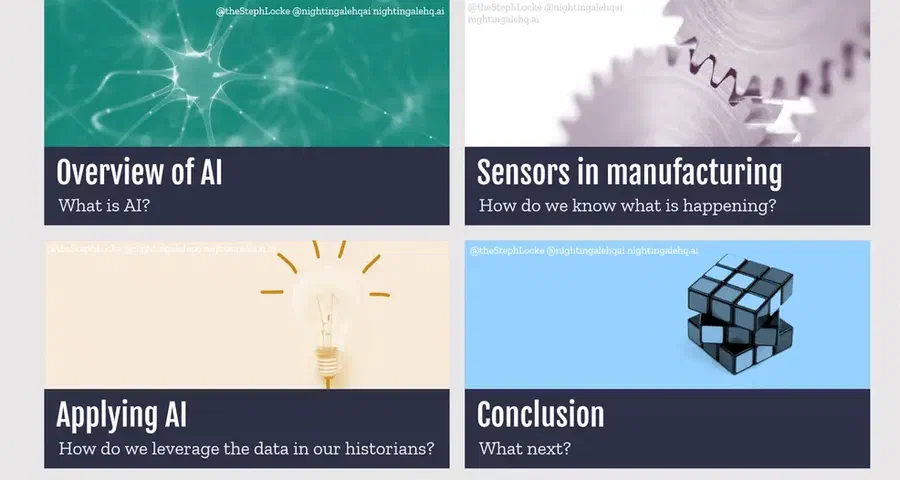
The Historian and AI Webinar (AIFightsBack)
- Steph Locke
- Archive , Learning , Blog
- May 15, 2020
- Updated
AI for manufacturing has huge potential. As well as clear AI use cases like robotics and automation, the wealth of data being consolidated into industrial time series via historian appliances presents an opportunity for further AI applications. Using the data being consolidated, we can build early warning systems for critical issues, optimise maintenance programs, and improve processes.
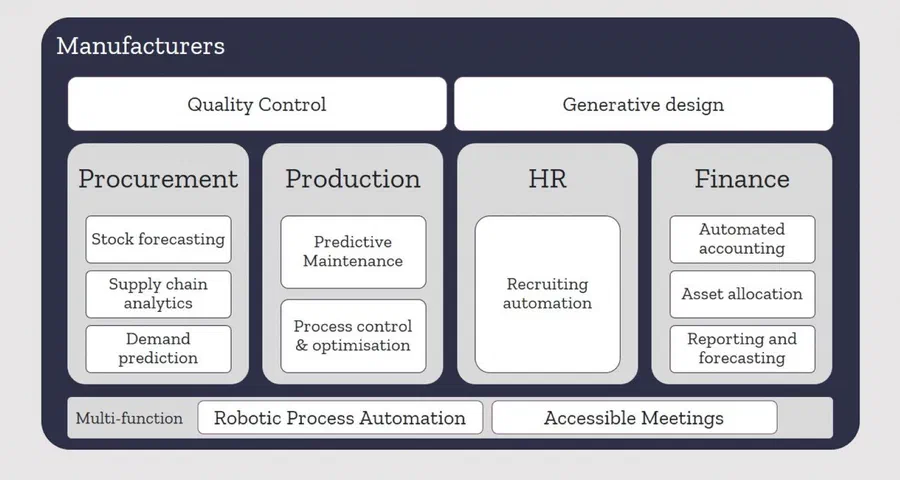
AI in Manufacturing (presentation, video, and quick guide)
- Steph Locke
- Learning , Archive
- Apr 24, 2020
- Updated
Yesterday, we ran our first AI in Manufacturing webinar, in association with the Irish Centre of Business Excellence. You can grab the slides, read up on the topic, and/or watch the webinar below.

Augmenting Customer Services with Chatbots
Last week we kicked off our AIFightsBack series to help businesses understand how AI can be used to support a safe and productive business during COVD-19 and beyond. The slides and video are now available.

Announcement: Ruth Kearney appointed Product & Commercial Director
- Steph Locke
- News
- Apr 3, 2020
- Updated
I'm delighted to announce the appointment of Ruth Kearney as our Product & Commercial Director here at Nightingale HQ. Ruth brings a wealth of commercial and brand experience to the team and will be helping drive our commercial strategy and AI Learn product.
Low ROI from AI is a people problem, not a tech problem
The top blockers to effective AI use in businesses aren't technical issues. They're people problems.

AI Winters and hype
This is not the first time AI has been all the rage in the business world. In particular, AI was big in the eighties with solutions called expert systems. Will AI be a passing fad now?
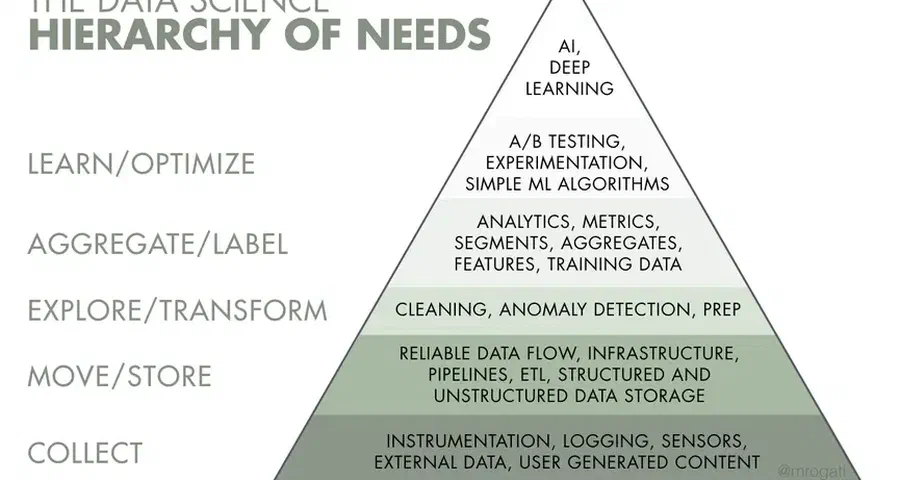
The AI Hierarchy of Needs meets the Minimum Viable Product
Two of my favourite pyramids are the Data Science Hierarchy of Needs and the Minimum Viable Product. Combining them helps us build effective artificial intelligence (AI) proof of concepts in businesses. It also supports building AI competency at the same time as demonstrating Return on Investment (ROI).
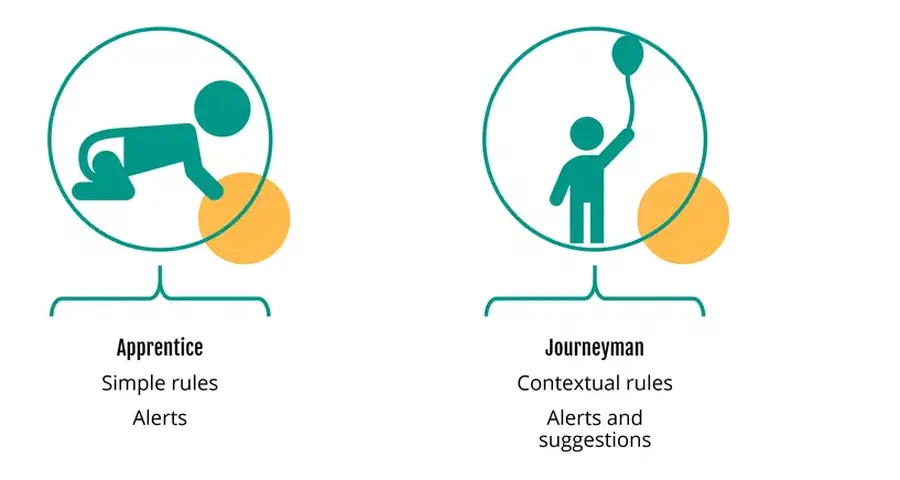
Mastering AI in manufacturing: the three levels of competency
Manufacturers have been facing continual pressure to improve their technology base, reduce costs, and improve quality since the Industrial Revolution. Manufacturers are used to change but not every manufacturer can or will embrace it at the same rate. Also, no manufacturer jumps straight to being an expert at the new thing they're needing to adopt. The same goes for Artificial Intelligence (AI) as an emerging change in manufacturing.

How to score your first AI quick wins: Knowledge Worker Productivity
- Steph Locke
- Archive
- Jan 8, 2020
- Updated
When you choose to introduce Artificial Intelligence (AI) in your organisation or department there can be a lot of resistance and uncertainty, which is why it is important to start small and win fast. By taking on smaller fail-proof projects, you can build up confidence among your team as they begin to see the value of the projects and stop fearing failure and resisting changes. In this project we discuss how to boost knowledge worker productivity, something employees will be able to track themselves and see the true value of. Building momentum in this way will pave the way for greater successes down the line.

Announcing our Research Panel
- Steph Locke
- Archive
- Dec 17, 2019
- Updated
We want to help more than one million businesses adopt artificial intelligence (AI) in the next five years. To do that we need your help. We're working on the world's biggest dataset on AI adoption via what we collect on our site, but qualitative data from knowledgeable people can be extremely valuable. As such we're launching our research panel to engage with people around the world.
Most Innovative Woman in Artificial Intelligence - UK
- Steph Locke
- News
- Dec 1, 2019
- Updated
Acquisition International is Proud to Announce the Winners of the 2019 Influential Businesswoman Awards
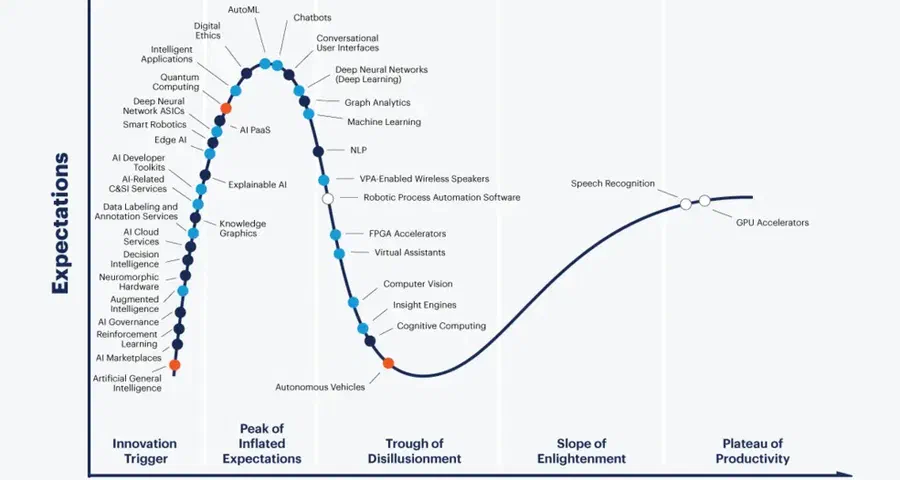
Decoding the hype around AI
- Steph Locke
- Archive
- Oct 29, 2019
- Updated
As the powers and capabilities of Artificial Intelligence (AI) expand and evolve, the same cannot be said for the general understanding of the topic. This has resulted in AI becoming a blanket term that gets misused and thrown around for all things, including things that it’s not. People also have very unrealistic expectations of what AI can do leading in some cases to fear and paranoia over things like potential world domination, in others, disillusion when the AI doesn’t perform to the high standards they were hoping.