Manufacturing
AI for Metals Manufacturing Operations
AI adoption in manufacturing is accelerating. But the use cases that actually move the needle are far more specific than most “Industry 4.0” content lets on.
For metals manufacturers: service centres, stockholders, fabricators, and structural steel processors. The problems worth solving are concrete. Cutting scrap on long products, bar, and structural sections. Managing stock across dozens of grades, dimensions, and forms without losing track of what’s in the yard. Keeping mill certificate records traceable and audit-ready. Hitting delivery commitments when the schedule changes at noon and three jobs need replanning before the shift ends.
AI solves these problems without ripping out your ERP or running a six-month implementation project. Tools like Cutting Plans, MillCert Reader, and Metals Manager work on top of what you already use: your existing ERP, CSV exports, spreadsheets, email order intake. They add intelligence where you’re currently burning hours or material. You can be live in a day from a CSV upload. You start with one product family or one process. You scale when you’ve seen it work.
Posts here cover practical AI use cases for metals operations: cutting optimisation, certificate automation, real-time inventory, and what an AI-assisted planning workflow actually looks like on the shop floor.
No buzzwords. No theory. Just what works for metal.
Q&A: Compliance Training in Metals Manufacturing
- Steph Locke
- Blog
- Aug 5, 2026
- Updated
Chasing scattered training records and audit risk: learn to map role-based training, keep audit-ready evidence, and cut admin time.
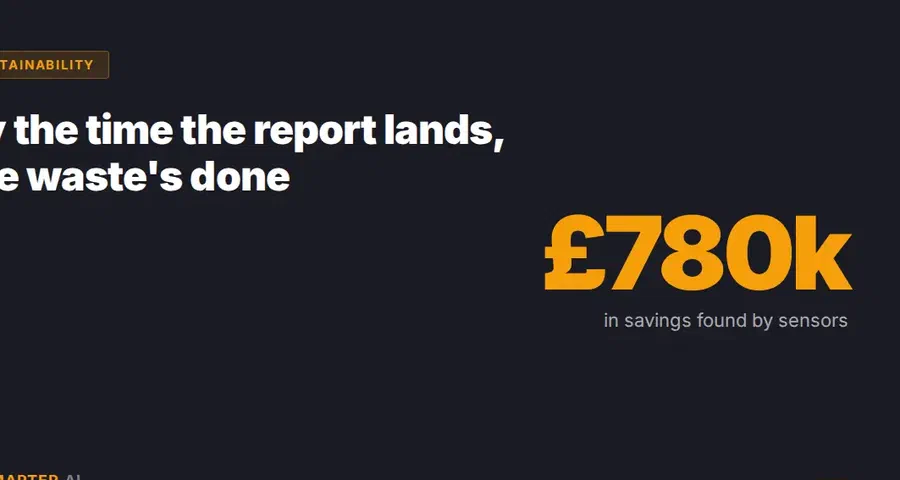
IIoT Energy Optimisation: A Guide for Steelmakers
- Steph Locke
- Blog
- Jul 31, 2026
- Updated
Steel mills leak energy in furnace idle time and bad scrap data. Link energy to heats and shifts to cut kWh per tonne, scrap and costs fast.
AI vs. Spreadsheets: Predictive Analytics for Factories
- Steph Locke
- Blog
- Jul 29, 2026
- Updated
Stale spreadsheets cause downtime and scrap; this shows how predictive analytics turns live shop-floor data into decisions that cut waste.
Top Tools for Edge Analytics in Steel Plants
- Steph Locke
- Blog
- Jul 27, 2026
- Updated
Unplanned downtime, scrap and manual certificate re-entry: edge tools that cut latency, reduce scrap and automate traceability in steel plants.
Solving AI Resistance: Leadership Tactics
- Steph Locke
- Blog
- Jul 24, 2026
- Updated
Certificate admin and scrap waste stall AI adoption. Use leadership tactics to automate data entry, keep human sign-off, and show day-one wins.
Predicting Metallurgical Defects with Machine Learning
- Zoe Locke
- Blog
- Jul 22, 2026
- Updated
Messy mill-cert data drives scrap and rework; learn to build heat-linked batch records for actionable defect warnings and fewer alarms.
Digital Twins in Metals Manufacturing: A Complete Guide
- Steph Locke
- Blog
- Jul 20, 2026
- Updated
Digital twins cut steel scrap from 5-8% to under 2.5%. Learn the standards, data foundations and pilot plan that make one work on your line.
Beyond ISO 9001 and ASTM: The Metals Standards Guide You Actually Need
ISO 9001 and ASTM get all the attention, but most metals businesses juggle EN, API, ASME, AWS, DIN, JIS, GB, BIS, CSA, NORSOK, CARES, and CBAM rules on the same order. Here is what each one actually covers, and why manual cross-referencing breaks down.
ISO 9001 and ASTM Won't Save a Lost Mill Certificate
ISO 9001 governs how you run the business. ASTM standards govern what the steel has to be. Neither one proves where a specific batch came from: traceability does. Here’s how the two standards fit together, and what closes the gap when paper-based quality systems fall apart.
Is Your Best AI Prompt Stuck in One Person's Head
AI answers vary depending on who’s typing that day. This piece covers what belongs in a skills file, why ad hoc prompting doesn’t scale, and how one branding skill can serve marketing, sales, and technical teams from the same file. Includes a three-step framework and seven ready-made use cases for metals manufacturers.
Categories
Tags
- Artificial Intelligence
- Automation
- Cloud Technology
- Compliance
- Continuous Improvement
- Cutting Optimisation
- Data Strategy
- Digital Transformation
- Energy Management
- Glossary
- Inventory Management
- Inventory Management for Metals
- Ireland
- Manufacturing
- Metals
- Nightingale HQ and GoSmarter
- Procurement
- Production Planning
- Quality
- Research & Innovation
- Shape Code Technology
- Small & Medium Enterprises
- Steel Industry
- Supply Chain
- Sustainability
- Steel Tariffs
- Traceability
- Trade & International Steel
- Wales