Manufacturing
AI for Metals Manufacturing Operations
AI adoption in manufacturing is accelerating. But the use cases that actually move the needle are far more specific than most “Industry 4.0” content lets on.
For metals manufacturers: service centres, stockholders, fabricators, and structural steel processors. The problems worth solving are concrete. Cutting scrap on long products, bar, and structural sections. Managing stock across dozens of grades, dimensions, and forms without losing track of what’s in the yard. Keeping mill certificate records traceable and audit-ready. Hitting delivery commitments when the schedule changes at noon and three jobs need replanning before the shift ends.
AI solves these problems without ripping out your ERP or running a six-month implementation project. Tools like Cutting Plans, MillCert Reader, and Metals Manager work on top of what you already use: your existing ERP, CSV exports, spreadsheets, email order intake. They add intelligence where you’re currently burning hours or material. You can be live in a day from a CSV upload. You start with one product family or one process. You scale when you’ve seen it work.
Posts here cover practical AI use cases for metals operations: cutting optimisation, certificate automation, real-time inventory, and what an AI-assisted planning workflow actually looks like on the shop floor.
No buzzwords. No theory. Just what works for metal.
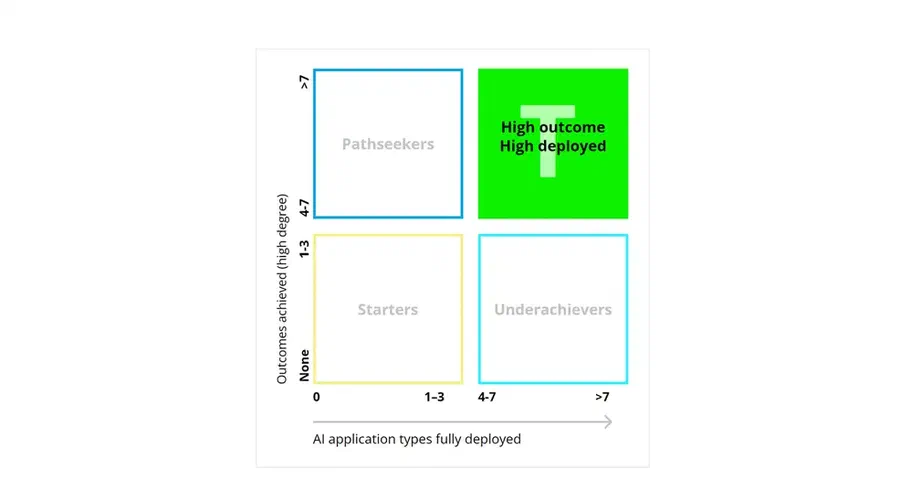
The State of AI and learning from Transformers
Deloitte’s State of AI in the Enterprise report is an enlightening read. This edition focuses on becoming an ‘AI fueled’ organisation. The results come from a survey conducted on 2,875 executives from across the Americas, Europe and Asia. They separated companies into four groups based on their success with AI implementation and identified what was driving the success of the highest performers.

How you can turn an extra £100 per month IT spend into more than £4,000 of staff time savings monthly
- Ruth Kearney
- Archive
- Oct 29, 2021
- Updated
Pressure to be more efficient has never been greater. The good news is there are so many helpful time-saving software as a service tools out there! We’ve made a list of some of the best.

Procurement best practice – what manufacturers can learn
The National Audit Office (NAO) report on ‘Managing the Commercial Lifecycle’ is a great guide to improving your own procurement processes. Here we share some interesting findings and the key areas to make changes in.
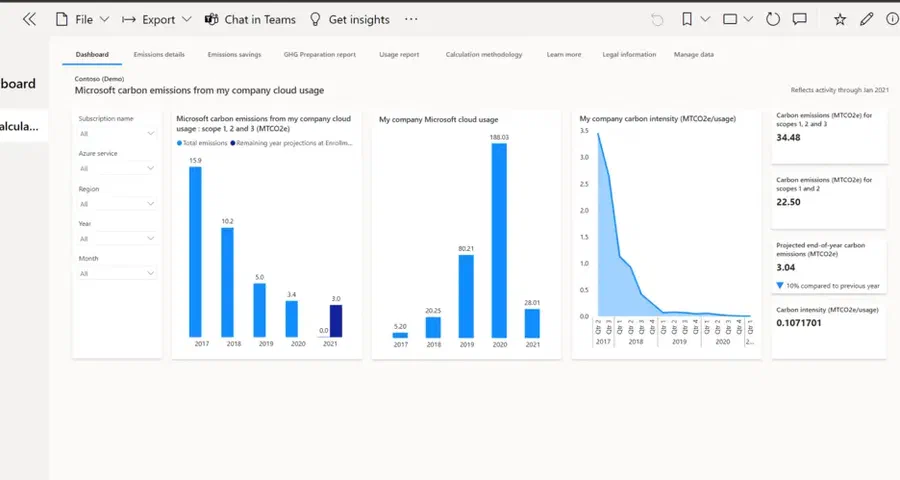
Microsoft Emissions Impact Dashboard - what you need to know
- Will Harris
- Archive
- Oct 25, 2021
- Updated
The Emissions Impact Dashboard is a great way to track and reduce cloud carbon emissions. The tool has an accessible visual interface that gives users high quality data and key insights into their cloud carbon footprint. If you’re aiming for net zero this dashboard can be a step in the right direction.
Why you should upskill your team with Azure AI fundamentals
As digital transformation and AI adoption become the norm in manufacturing it’s vital that management are all on the same page. A lack of understanding of AI and a fear of the unknown are some of the key barriers to successful implementation in most organisations. Microsoft Azure AI Fundamentals could be your solution.

Investing in digital technology lowers future operating costs for manufacturers
There are so many benefits to going digital with your business including cutting your future operating costs and becoming more sustainable. We’ve taken a look at the UKRI’s report on productivity opportunities and risks in a transformative, low-carbon and digital age which looks at this in more detail.
What is a citizen developer?
Citizen developers are not developers by trade but still make useful tools and applications with no-code tools. The concept is relatively new and has gained momentum in the last few years. Citizen Development has the potential to be of great benefit to the manufacturing industry by empowering ordinary staff to improve the processes they work with every day. Their unique perspectives can be transformative in identifying key areas to work on and improve.

What manufacturing SME's need to know about IIoT and cyber-security
- Steph Locke
- Archive
- Sep 30, 2021
- Updated
IIoT can have benefits for manufacturing businesses of all types and sizes. It can be particularly useful in providing transparency and tracking along the supply chain but that’s just the start. To stay safe, it is vital you develop strong cyber security practices around IIoT. Here we offer some best practices and how to approach them.
UK Government supports AI approaches to manufacturing sustainability
The UK government released its AI strategy on 22nd September 2021. We’ve looked at the report and broken down how this will affect the manufacturing industry going forward. We outline some key areas such as skills shortages, addressing net-zero challenges, and new product development as well as the next steps manufacturers can take.

Steph Locke at Impact Festival 2021
- Will Harris
- News
- Sep 22, 2021
- Updated
Take a look at what happened at last week’s Impact Festival, where Steph took part in the EIT Manufacturing panel on The Future of Sustainable Manufacturing.
Categories
Tags
- Artificial Intelligence
- Automation
- Cloud Technology
- Compliance
- Continuous Improvement
- Cutting Optimisation
- Data Strategy
- Digital Transformation
- Energy Management
- Glossary
- Inventory Management
- Inventory Management for Metals
- Ireland
- Manufacturing
- Metals
- Nightingale HQ and GoSmarter
- Procurement
- Production Planning
- Quality
- Research & Innovation
- Shape Code Technology
- Small & Medium Enterprises
- Steel Industry
- Supply Chain
- Sustainability
- Steel Tariffs
- Traceability
- Trade & International Steel
- Wales