Manufacturing
AI for Metals Manufacturing Operations
AI adoption in manufacturing is accelerating. But the use cases that actually move the needle are far more specific than most “Industry 4.0” content lets on.
For metals manufacturers: service centres, stockholders, fabricators, and structural steel processors. The problems worth solving are concrete. Cutting scrap on long products, bar, and structural sections. Managing stock across dozens of grades, dimensions, and forms without losing track of what’s in the yard. Keeping mill certificate records traceable and audit-ready. Hitting delivery commitments when the schedule changes at noon and three jobs need replanning before the shift ends.
AI solves these problems without ripping out your ERP or running a six-month implementation project. Tools like Cutting Plans, MillCert Reader, and Metals Manager work on top of what you already use: your existing ERP, CSV exports, spreadsheets, email order intake. They add intelligence where you’re currently burning hours or material. You can be live in a day from a CSV upload. You start with one product family or one process. You scale when you’ve seen it work.
Posts here cover practical AI use cases for metals operations: cutting optimisation, certificate automation, real-time inventory, and what an AI-assisted planning workflow actually looks like on the shop floor.
No buzzwords. No theory. Just what works for metal.

Change is hard but equipping your teams with the right tools makes it easier
As we see the back of 2021, another year of disruption and change, I reflect on organisational practices and share some thoughts on how to implement more effective change. Change is hard, so best to start with small doses of change.

How AI can improve your logistics fast
- Ruth Kearney
- Archive
- Dec 14, 2021
- Updated
Logistics businesses and logistics have a huge opportunity to unlock additional value in their business through the use of data and AI integration. Areas of improvement include streamlining operations, managing the supply chain, pricing dynamically, agile planning, and enhanced forecasting.
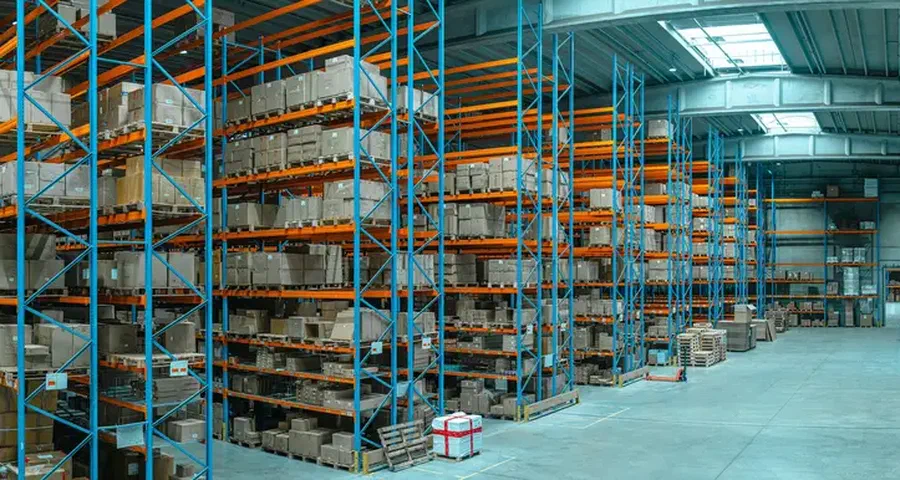
Resilient supply chains: Microsoft technologies to assist with productivity and efficiency
- Steph Locke
- Archive
- Dec 9, 2021
- Updated
Manufacturers can adapt to disruptions successfully, ensuring business continuity during distress, by building a resilient supply chain based on Microsoft tech. By modernising your supply chain you can optimise your workforce, build agile planning and distribution processes, enhance supply chain visibility, and maximise asset uptime and efficiency.

Industry 4.0 in a post-Covid world
Mckinsey’s report on manufacturing operations after Covid-19 takes an interesting look into the potential adoption pathways companies will take on the way to Industry 4.0 and some of the ways technology is changing the sector. It also identifies what ’lighthouses’, organisations successfully transforming at scale, are doing to make them succeed.

6 board-level agenda items and how AI can help
Persistent COVID-19 uncertainty, disruptive technologies, and supply chain challenges are some of the big concerns facing manufacturing CEOs and corporate leaders right now. However, despite uncertainty, we are seeing some promising trends around automation and transforming processes from the back office to the factory floor. Here are the top six board-level agenda items and a look into how AI can help.

Irish Manufacturing & Supply Chain Conference
- Will Harris
- News
- Nov 15, 2021
- Updated
We’re attending the National Manufacturing & Supply Chain Conference in Dublin, Ireland on the 23rd and 24th of November where our CEO will be giving two talks on how AI drives sustainable manufacturing and the power of no-code tools.

The Manufacturer MX awards
- Ruth Kearney
- News
- Nov 9, 2021
- Updated
We are so excited for the reveal of The Manufacturer Top 100 2021 in Liverpool! We are proud to be supporting Helen Anderson of CPI TMD at the awards.
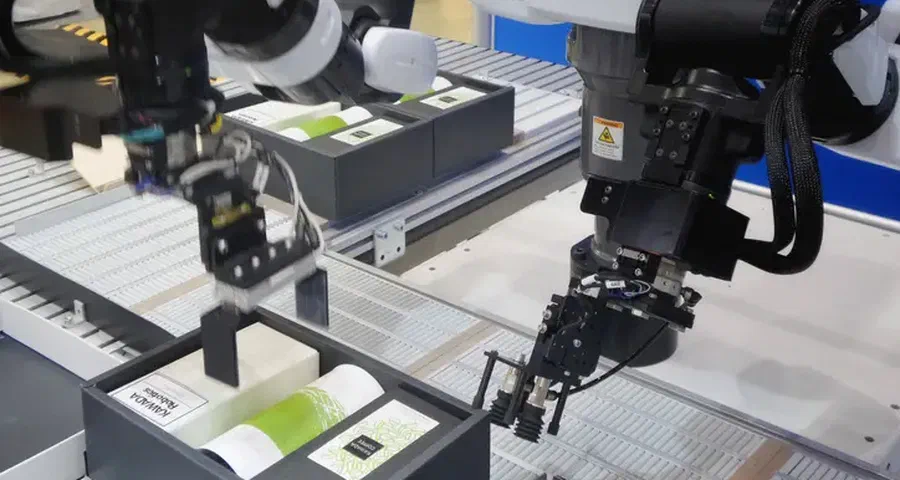
Digitising your factory floor is hard
- Steph Locke
- Archive
- Nov 9, 2021
- Updated
Digitising your factory floor is hard, that’s why we try to accelerate digital transformation in other operational areas. Focusing on helping workers, modernising core functions like Finance, and supporting your growth, gives you the opportunity to demonstrate value whilst gaining digital technology maturity. It’s hard to rapidly change, acquire expertise, and digitise the factory floor at the same time. By working in areas that are easier to change you can free up vital staff time to dedicate to the harder challenges.

Upskilling for the green revolution
- Will Harris
- Archive
- Nov 4, 2021
- Updated
92% of manufacturers believe net zero will be achievable for their business by 2050. To make this reality, the government and industry need to put strategies in place that map out how they are going to unlock the skills needed for the green revolution. Make UK and Sage recently teamed up to release a report that investigates the subject and makes some recommendations for success.
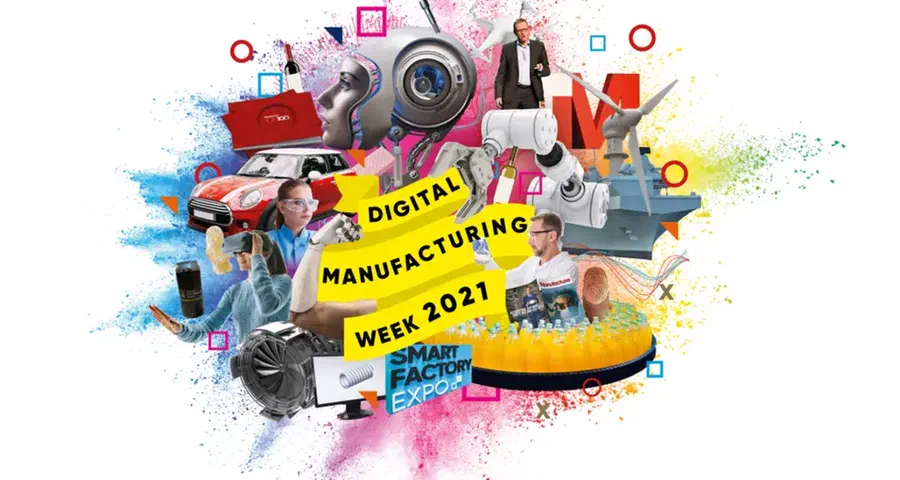
The UK's leading manufacturing event
- Will Harris
- News
- Nov 2, 2021
- Updated
Digital Manufacturing Week will be taking place next week in Liverpool. You’ll find us there on Wednesday and Thursday the 10th and 11th, on Innovation alley.
Categories
Tags
- Artificial Intelligence
- Automation
- Cloud Technology
- Compliance
- Continuous Improvement
- Cutting Optimisation
- Data Strategy
- Digital Transformation
- Energy Management
- Glossary
- Inventory Management
- Inventory Management for Metals
- Ireland
- Manufacturing
- Metals
- Nightingale HQ and GoSmarter
- Procurement
- Production Planning
- Quality
- Research & Innovation
- Shape Code Technology
- Small & Medium Enterprises
- Steel Industry
- Supply Chain
- Sustainability
- Steel Tariffs
- Traceability
- Trade & International Steel
- Wales