Manufacturing
AI for Metals Manufacturing Operations
AI adoption in manufacturing is accelerating. But the use cases that actually move the needle are far more specific than most “Industry 4.0” content lets on.
For metals manufacturers: service centres, stockholders, fabricators, and structural steel processors. The problems worth solving are concrete. Cutting scrap on long products, bar, and structural sections. Managing stock across dozens of grades, dimensions, and forms without losing track of what’s in the yard. Keeping mill certificate records traceable and audit-ready. Hitting delivery commitments when the schedule changes at noon and three jobs need replanning before the shift ends.
AI solves these problems without ripping out your ERP or running a six-month implementation project. Tools like Cutting Plans, MillCert Reader, and Metals Manager work on top of what you already use: your existing ERP, CSV exports, spreadsheets, email order intake. They add intelligence where you’re currently burning hours or material. You can be live in a day from a CSV upload. You start with one product family or one process. You scale when you’ve seen it work.
Posts here cover practical AI use cases for metals operations: cutting optimisation, certificate automation, real-time inventory, and what an AI-assisted planning workflow actually looks like on the shop floor.
No buzzwords. No theory. Just what works for metal.
GoSmarter AI Co-Founders to Speak at UK Metals Expo 2026
- Ruth Kearney
- News
- Oct 29, 2026
Ruth Kearney and Steph Locke, co-founders of GoSmarter AI, both speak at UK Metals Expo 2026 at the NEC in Birmingham. Find their sessions with Tata Steel, Tata Consultancy Services and Matta.
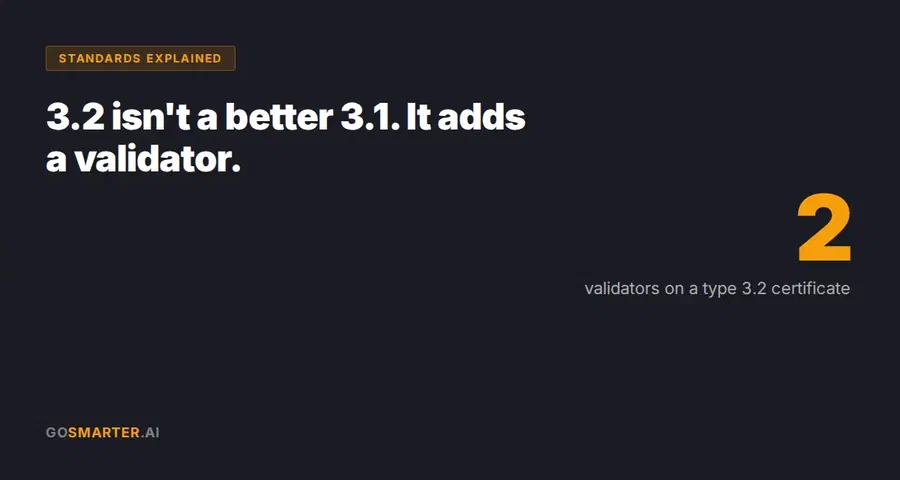
EN 10204 3.1 vs 3.2 Certificates for Fabricators
- Steph Locke
- Blog
- Oct 28, 2026
- Updated
Ordering the wrong EN 10204 type risks rejected stock. See how 3.1 and 3.2 differ, who validates each, and what to check at goods-in.
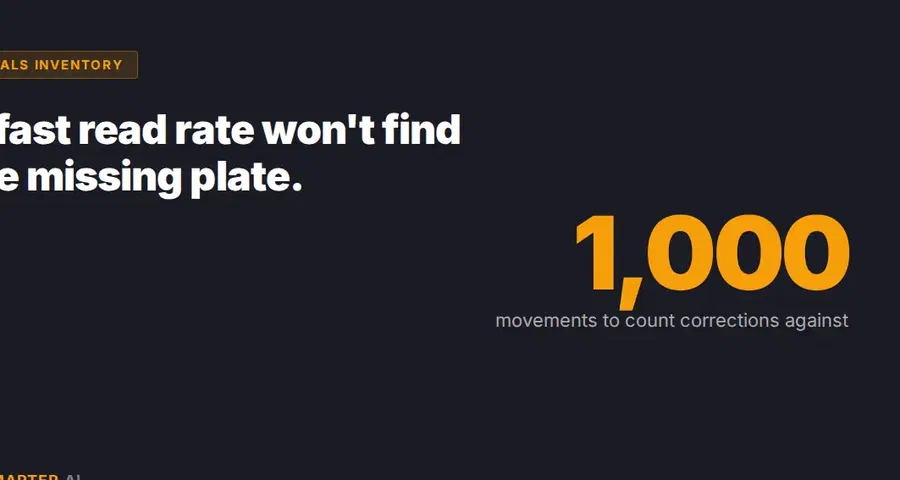
Barcode vs RFID for Metals Inventory: The Real Accuracy Gap
- Steph Locke
- Blog
- Oct 26, 2026
- Updated
Barcode or RFID for metals stock? Judge both by wrong locations, stale weights and corrections per 1,000 movements, then test them on your own floor.
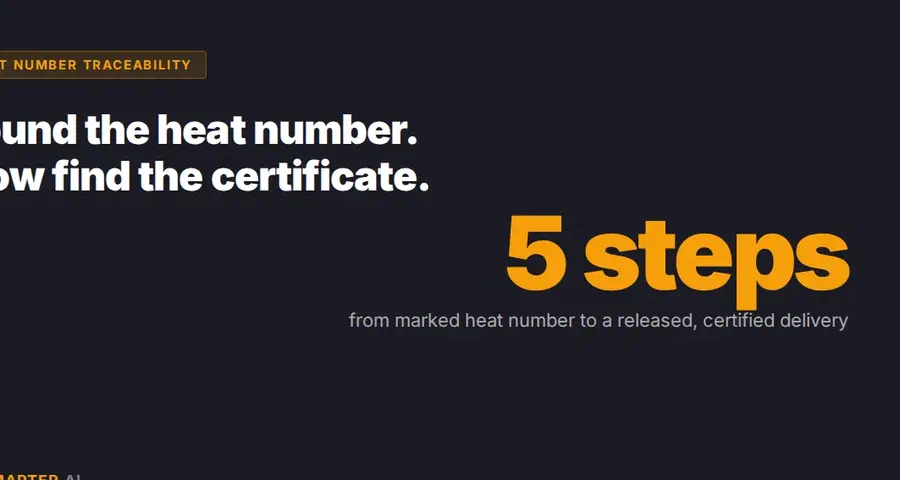
How to Trace a Heat Number Back to Its Mill Certificate
- Steph Locke
- Blog
- Oct 23, 2026
- Updated
Trace a heat number to its mill certificate in five steps. Match the receipt chain, check the certificate and hold stock until quality approves.
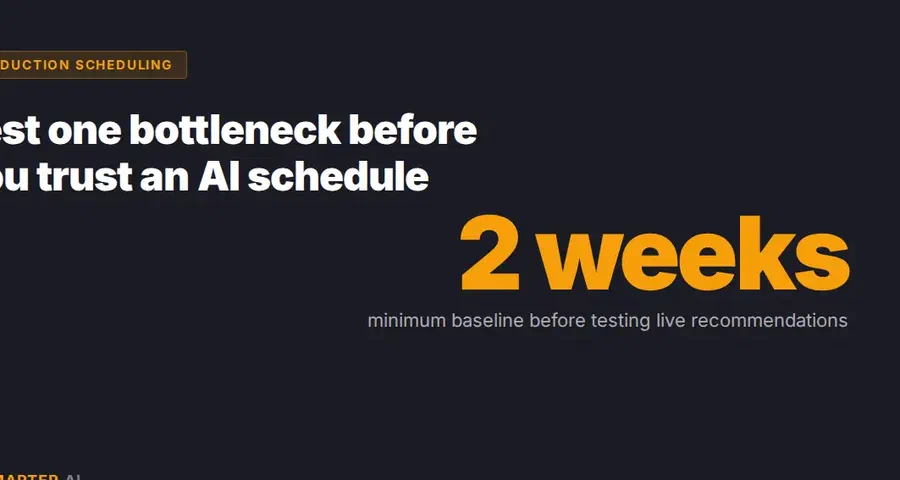
AI Production Scheduling for Metal Fabricators: Where to Start
- Steph Locke
- Blog
- Oct 21, 2026
- Updated
Start AI production scheduling on one bottleneck. Clean the data, record a two-week baseline, test disruptions and decide whether to expand, refine or pause.
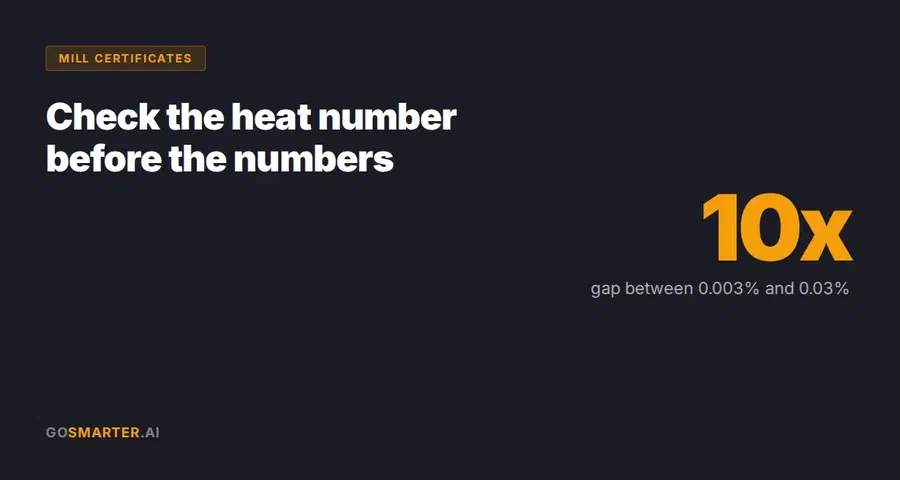
How to Read a Mill Test Certificate: A Field Guide for Quality Managers
- Steph Locke
- Blog
- Oct 19, 2026
- Updated
Mismatched mill certificates risk wrong releases. Check traceability, chemistry and mechanical results in order, and hold anything unresolved before release.
Buy Software Like a Millennial: Try It First, Talk Later
- Steph Locke
- Blog
- Oct 7, 2026
Gated demos, discovery calls and paid pilots are a slow way to buy software. Here is how to test a platform on your own data before anyone phones you.
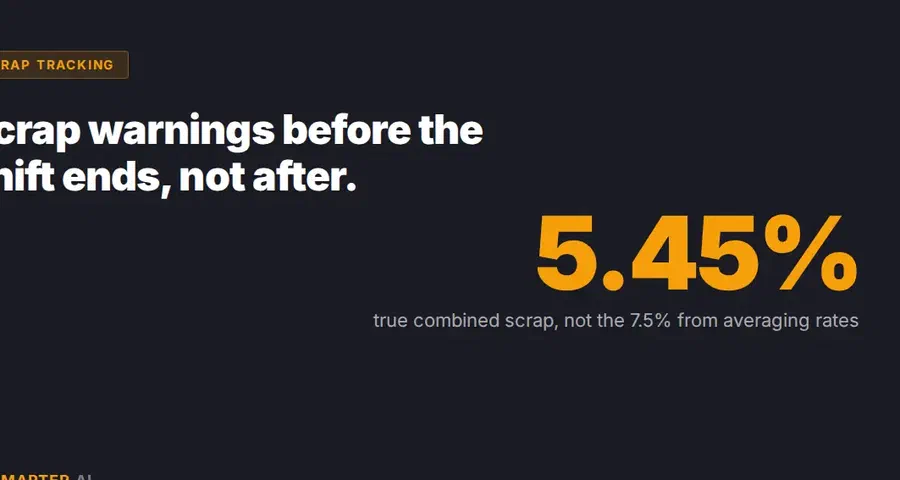
How Real-Time ERP Data Cuts Scrap Surprises
- Steph Locke
- Blog
- Oct 7, 2026
- Updated
Late Enterprise Resource Planning (ERP) postings hide scrap until the order closes. Count every kilogram, trace it to a coil or heat, and set shift alerts that stop drift in time.

FAQ Chatbot helps business fly
- Ruth Kearney
- Case studies
- May 5, 2021
- Updated
Letterbox Lab uses chatbots to deal with unprecedented demand caused by the global pandemic.
Logistics firm liberates staff with data automation
- Ruth Kearney
- Case studies
- Apr 23, 2021
- Updated
After FLS Logistics realised how much time their staff spent on spreadsheets and data, they had to find an alternative. They wanted a data warehouse and our fast-track services were the perfect solution for them so that they could have near real-time visibility without increasing IT headcount. They freed up more than 50% of staff’s time from laborious data entry!
Categories
Tags
- Artificial Intelligence
- Automation
- Cloud Technology
- Compliance
- Continuous Improvement
- Cutting Optimisation
- Data Strategy
- Digital Transformation
- Energy Management
- Glossary
- Inventory Management
- Inventory Management for Metals
- Ireland
- Manufacturing
- Metals
- Nightingale HQ and GoSmarter
- Procurement
- Production Planning
- Quality
- Research & Innovation
- Shape Code Technology
- Small & Medium Enterprises
- Steel Industry
- Supply Chain
- Sustainability
- Steel Tariffs
- Traceability
- Trade & International Steel
- Wales