Digital Transformation
Digital Transformation on the Shop Floor
Digital transformation is not a project. It is a series of decisions about which parts of your operation to stop doing manually.
For metals manufacturers, that usually starts with paperwork. Mill certificates filed in folders. Production schedules in spreadsheets. Inspection records that nobody can find when an auditor arrives. These are not IT problems. They are business problems with digital solutions.
Industry 4.0 (I4.0) is the shorthand for connected, data-driven manufacturing. Internet of Things (IoT) sensors feed live data from your machines to systems that can act on it. A cutting machine that knows its blade is drifting can flag the problem before the next batch becomes scrap.
The practical entry points for most metals manufacturers are:
- Automating document-heavy processes: certificates, purchase orders, delivery notes
- Connecting shop floor machines to central monitoring systems
- Replacing paper-based inspection records with digital workflows
- Linking inventory systems to production schedules so you stop running short
The manufacturers who do this fastest aren’t the ones with the biggest budgets. They start with one process, usually certificates or cut planning. They get it working in a week, then show the rest of the team a result. GoSmarter is built for exactly that pattern: live in a day from a CSV upload, piloting on one product family, scaling when you’ve seen it work.
Posts in this section cover the technologies, the case studies, and the change management realities. Including the parts that are harder than the vendors let on.

£147 million investment into manufacturing
Artificial Intelligence (AI) has been heating up for several years, and the recent challenges imposed by COVID-19 have accelerated efforts to get this tech in the hands of businesses to drive innovation and build agility and resilience. AI has been receiving lots of attention from the UK government and is one of the four Grand Challenge areas in the Industry Strategy.
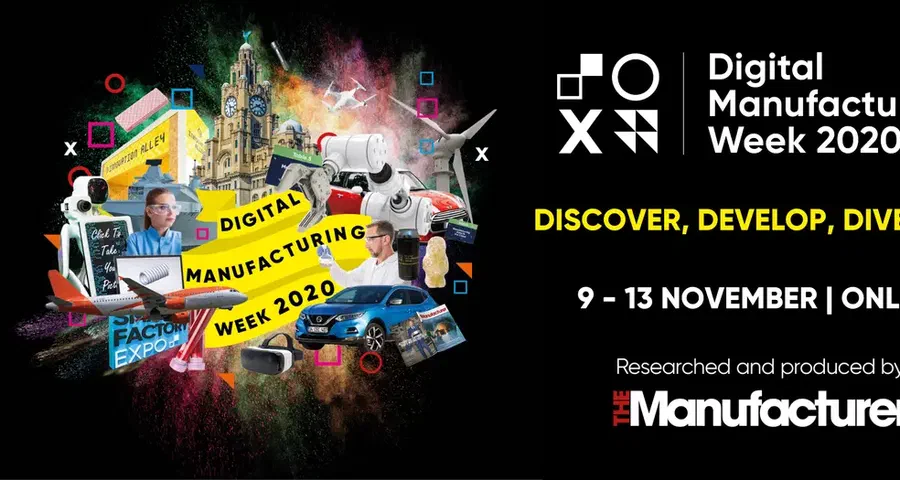
Nightingale HQ to present at Digital Manufacturing Week 2020
- Ruth Kearney
- News
- Nov 5, 2020
- Updated
World-class manufacturers will take the virtual stage at the 2020 Digital Manufacturing Week happening from 9 - 12 November. The Originator of Industry 4.0 Henrik von Scheel and leaders from Cobra Beer, Dyson, Rolls Royce, Airbus, Autodesk will all share experiences of bouncing back in uncertain times. We have also been selected to present at the Made Smarter Emerging Technology Show taking place on Friday 13 November.
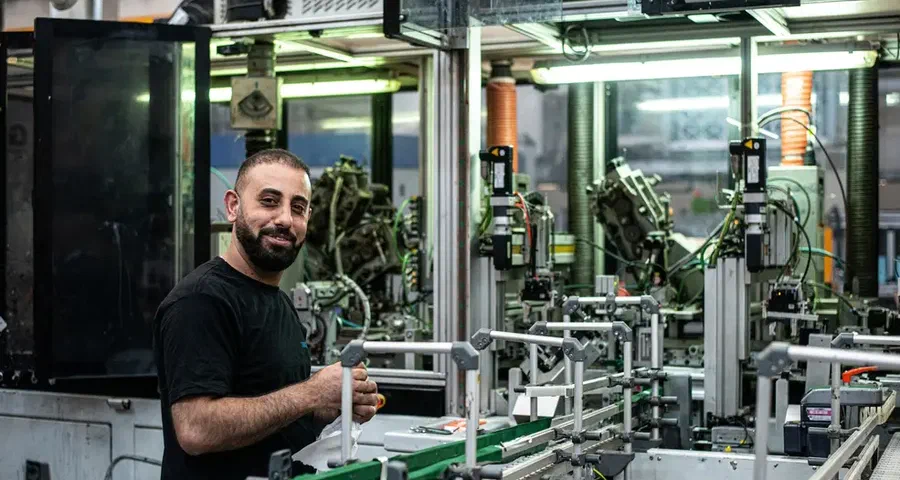
Manufacturing the future
Industry 4.0 has been budding over the last decade and has a long way yet to mature, however, the onset of the Covid-19 global pandemic has presented a suite of challenges and accelerated the need for solutions. The manufacturing industry has not had the flexibility of remote work to fall back on due to its dependency on onsite workers. Manufacturers will have had to make big changes to ensure the health of workers as they return to workplaces. At the same time, they’ve had to contend with the unpredictability of supply and demand, which could remain unstable for a prolonged recovery period. So how has this impacted manufacturing and what does this mean for the future?
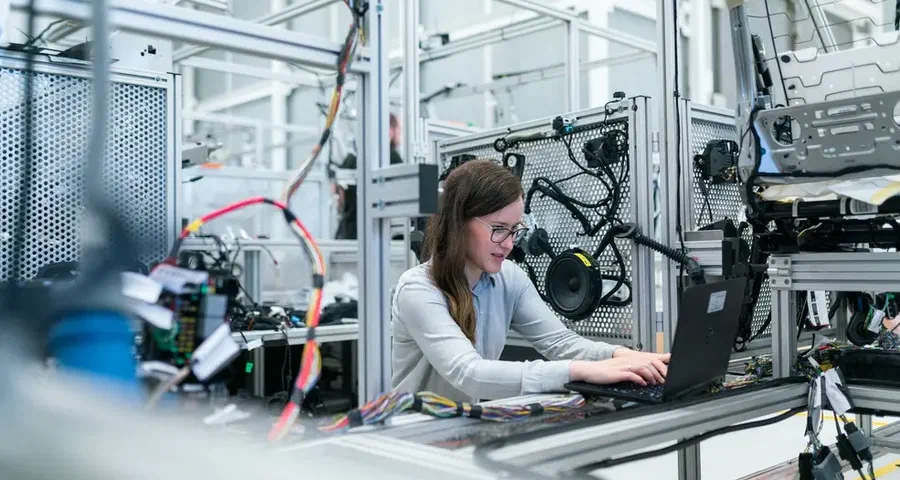
The shift to AI in manufacturing: post pandemic growth
- Steph Organ
- Archive
- Oct 8, 2020
- Updated
There is no doubt that AI has enabled major efficiencies in predictability and capacity across the supply chain in manufacturing. The global pandemic has also accelerated digitalisation and automation as key strategic priorities for business, particularly manufacturing.
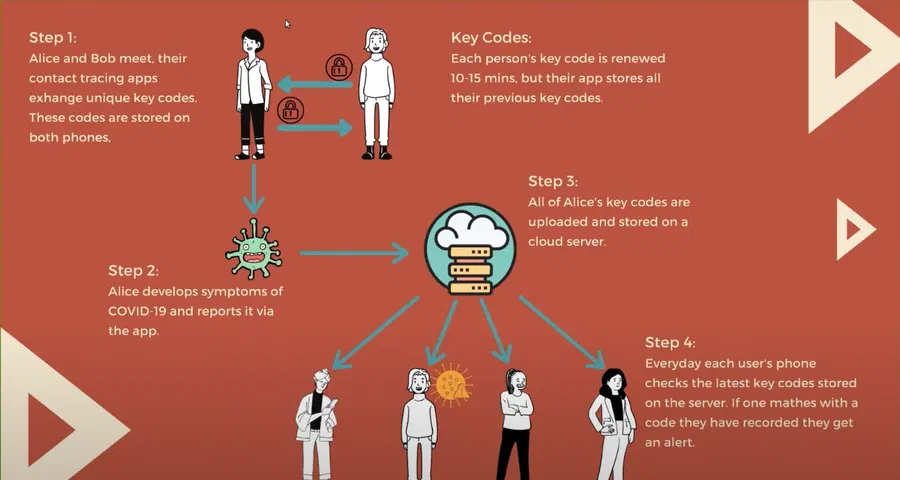
Breaking the chain with contact tracing
- Steph Locke
- Archive
- Oct 2, 2020
- Updated
There is no doubt that contact tracing apps can play a key role in crisis management especially as social distancing measures are lifted in countries across Europe and the rest of the world. In this guest blog, Dr Iain Keaney talks about solving the contact tracing privacy paradox with decentralised AI. He outlines how decentralised AI can preserve anonymity and solve privacy issues, not just in contact tracing, but as a business standard for AI, going forward.

Your business and AI: 18 weeks of webinars
- Ruth Kearney
- Archive
- Sep 29, 2020
- Updated
What do you do when a global pandemic hits and messes up your 2020 business plans? We decided to run 18 weeks of webinars. As our pipeline slowed we knew we weren’t the only ones having a hard time navigating Covid-19, so we decided to launch two webinar series, AIFightsBack and #GoSmarter. Since the webinars were a hit, we decided to compile recaps of all the content in one place for easy access, viewing and sharing.
TechRound Feature
- Ruth Kearney
- News
- Sep 11, 2020
- Updated
Many SMEs like ourselves are having to look at new ways to do more by using automation tools to streamline and increase productivity. There are 5.8 million SMEs in the UK impacted by COVID and one of the major positives that the global pandemic has brought about is an accelerated level of digital transformation and automation to business. There is a much greater emphasis on adopting AI and automation tools to help them scale, innovate and become more agile.
Smarter remote meetings for productivity
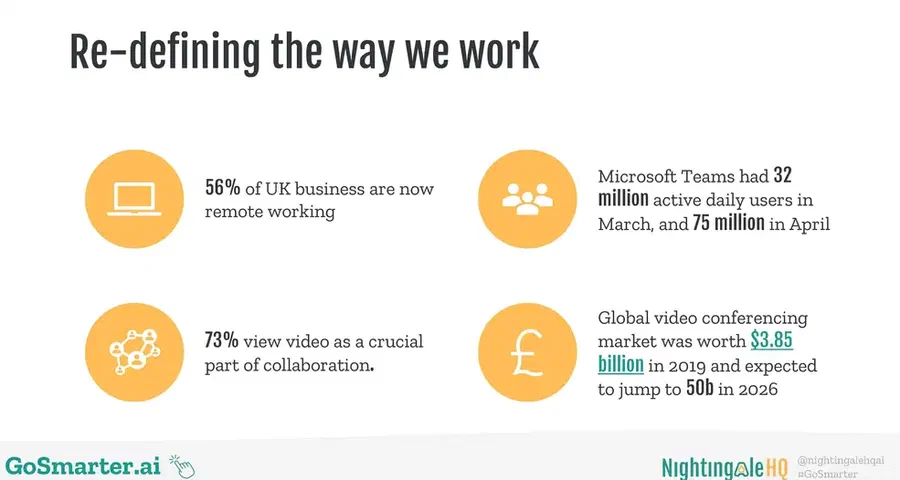
For the penultimate session in our #GoSmarter webinar series, Data Science Apprentice Mia Hatton takes us through various tools for hosting online meetings, lessons and the like, which has become so much more relevant during the times of the pandemic. Our very own Productive Meetings tool is one of six automation tools that we are making available to SMEs through our GoSmarter project to support them through COVID-19.

Automation: The fundamentals
GoSmarter is an AI-powered tools and training support toolkit to help businesses optimise digital operations, saving precious time and helping increase productivity.
7 reasons why SMEs need to automate and how
- Ruth Kearney
- Learning , Archive
- Jul 3, 2020
- Updated
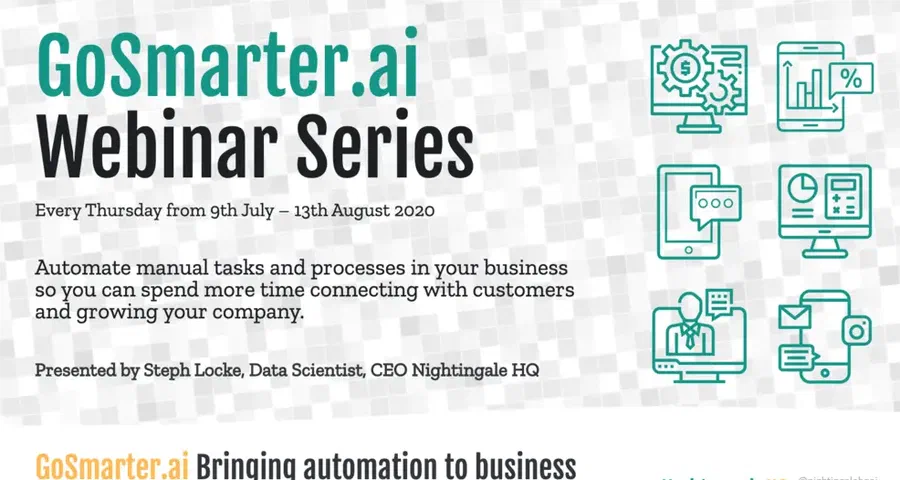
Going digital and using automation has never been more important to small businesses than it has been since COVID-19. Here's some stats you may not know...
Categories
Tags
- Artificial Intelligence
- Automation
- Cloud Technology
- Compliance
- Continuous Improvement
- Cutting Optimisation
- Data Strategy
- Digital Transformation
- Energy Management
- Glossary
- Inventory Management
- Inventory Management for Metals
- Ireland
- Manufacturing
- Metals
- Nightingale HQ and GoSmarter
- Procurement
- Production Planning
- Quality
- Research & Innovation
- Shape Code Technology
- Small & Medium Enterprises
- Steel Industry
- Supply Chain
- Sustainability
- Steel Tariffs
- Traceability
- Trade & International Steel
- Wales