Digital Transformation
Digital Transformation on the Shop Floor
Digital transformation is not a project. It is a series of decisions about which parts of your operation to stop doing manually.
For metals manufacturers, that usually starts with paperwork. Mill certificates filed in folders. Production schedules in spreadsheets. Inspection records that nobody can find when an auditor arrives. These are not IT problems. They are business problems with digital solutions.
Industry 4.0 (I4.0) is the shorthand for connected, data-driven manufacturing. Internet of Things (IoT) sensors feed live data from your machines to systems that can act on it. A cutting machine that knows its blade is drifting can flag the problem before the next batch becomes scrap.
The practical entry points for most metals manufacturers are:
- Automating document-heavy processes: certificates, purchase orders, delivery notes
- Connecting shop floor machines to central monitoring systems
- Replacing paper-based inspection records with digital workflows
- Linking inventory systems to production schedules so you stop running short
The manufacturers who do this fastest aren’t the ones with the biggest budgets. They start with one process, usually certificates or cut planning. They get it working in a week, then show the rest of the team a result. GoSmarter is built for exactly that pattern: live in a day from a CSV upload, piloting on one product family, scaling when you’ve seen it work.
Posts in this section cover the technologies, the case studies, and the change management realities. Including the parts that are harder than the vendors let on.
Data Champions are critical to your success in digitally transforming
Manufacturers need Data Champions to help them succeed in today’s digital world. To learn more about how you can find your Data Champion for your team or company, read on!

Using AI to make your warehouse operations smarter
You can benefit from lower overheads by using AI to manage stock levels, whilst building a more scalable warehouse operation that is safer for employees, using AI.

EU to recruit world-class AI researchers
While Europe is a global leader in academic research of human-centric artificial intelligence we lag behind when it comes to putting research into practice.
How can Digital Innovation Hubs support SMEs to adopt AI?
- Ruth Kearney
- Archive
- Mar 15, 2021
- Updated
A workshop on “AI-standardisation landscape & the role of Digital Innovation Hubs (DHIs)” discussed the role hubs can play in supporting the uptake of AI among SMEs and how they can help technology frontrunners.
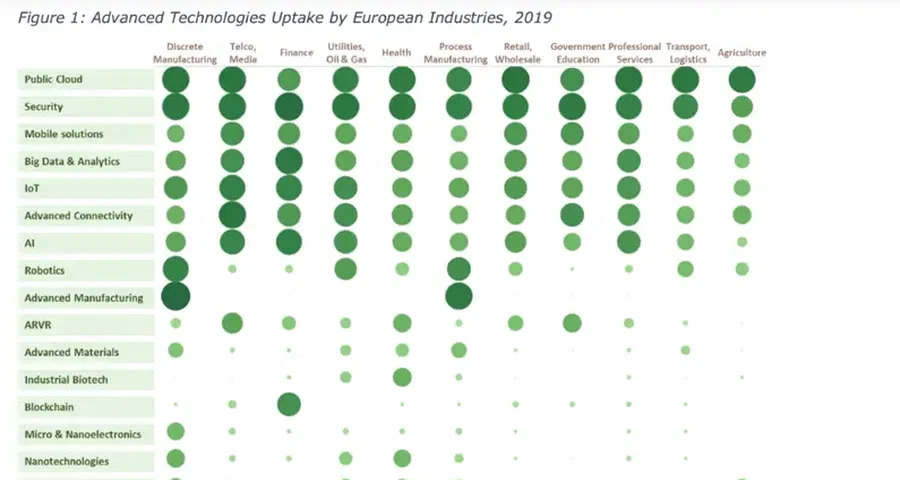
Artificial Intelligence growth in the EU
- Steph Locke
- Archive
- Feb 18, 2021
- Updated
This article is part of an ongoing series - link no longer works sharing insights into the development of AI policy in Europe. In November last year we were appointed to the European DIGITAL SME Alliance focus group on Artificial Intelligence (AI), and as an 'AI intensive' SME, we provide feedback on the adoption of AI technologies in relation with the impact of EU initiatives on the topic.

Boost operational efficiency with chatbots
- Steph Organ
- Archive
- Feb 11, 2021
- Updated
Many businesses are facing a pressing need to tidy up their operations, cut costs, and increase productivity due to the global pandemic. One surprising tool that can help you streamline processes is a chatbot. Everyone knows how chatbots can enhance customer service, but there are many other areas where a chatbot can be applied. In this article we explore how chatbots can bring about operational efficiencies when used for internal processes such as supporting HR and company communications.
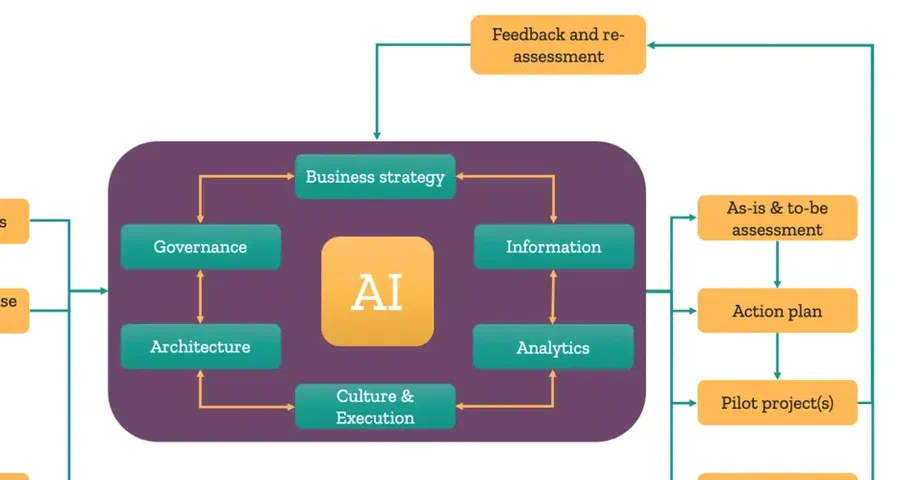
Building operational resilience in times of crisis
Operational resilience has always been a key factor in business success, but not enough businesses consider their ability to take stress in turbulent times until it is too late. Covid-19 has been a huge wake-up call for many, presenting uncertainty and disruption.

Highlights of 2020 - as read by you
- Steph Organ
- Archive
- Dec 21, 2020
- Updated
What better way to round off 2020 than with a review of our most popular content as read by you. We've selected just 6 of your most enjoyed articles this year in case you fancy diving in again. From AI and data fundamentals, to the use of AI in different sectors, and even a quick win AI project, here's what made the cut.
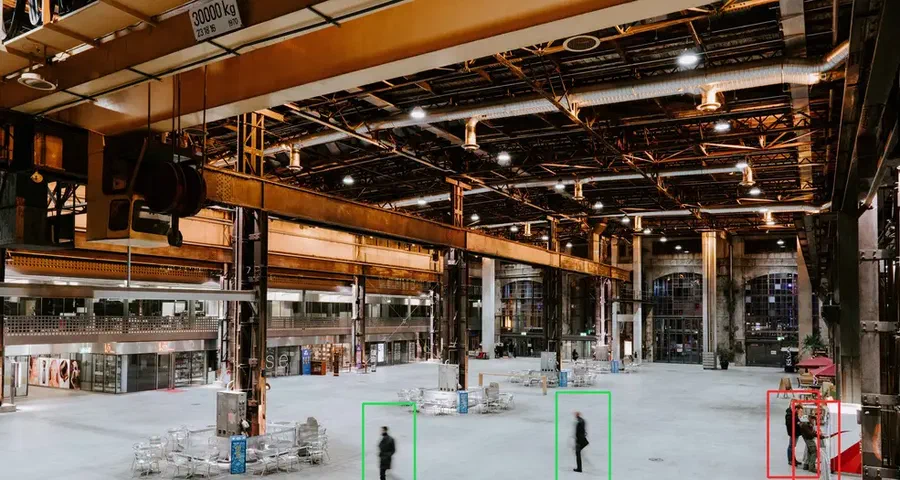
Ethical AI monitoring in the post-COVID workplace
- Steph Locke
- Archive
- Dec 14, 2020
- Updated
With the excellent news of the first COVID-19 vaccines being administered in the UK, things could be back to normal by next winter. In the meantime, we must remain vigilant and take precautions such as monitoring temperatures, social distancing, and other health and safety measures, to keep the impact of the virus to a minimum. AI can help to enforce these safety precautions, however ethical conduct and compliance with data privacy regulations remain imperative.
Creative Disruption - UK Digital Manufacturing Week 2020
Major crises cause economic and social damage but they also inspire innovation. This was a major theme Digital Manufacturing Week, who themselves had to disrupt by holding the 6,000 plus attendee event completely online.
Categories
Tags
- Artificial Intelligence
- Automation
- Cloud Technology
- Compliance
- Continuous Improvement
- Cutting Optimisation
- Data Strategy
- Digital Transformation
- Energy Management
- Glossary
- Inventory Management
- Inventory Management for Metals
- Ireland
- Manufacturing
- Metals
- Nightingale HQ and GoSmarter
- Procurement
- Production Planning
- Quality
- Research & Innovation
- Shape Code Technology
- Small & Medium Enterprises
- Steel Industry
- Supply Chain
- Sustainability
- Steel Tariffs
- Traceability
- Trade & International Steel
- Wales