Digital Transformation
Digital Transformation on the Shop Floor
Digital transformation is not a project. It is a series of decisions about which parts of your operation to stop doing manually.
For metals manufacturers, that usually starts with paperwork. Mill certificates filed in folders. Production schedules in spreadsheets. Inspection records that nobody can find when an auditor arrives. These are not IT problems. They are business problems with digital solutions.
Industry 4.0 (I4.0) is the shorthand for connected, data-driven manufacturing. Internet of Things (IoT) sensors feed live data from your machines to systems that can act on it. A cutting machine that knows its blade is drifting can flag the problem before the next batch becomes scrap.
The practical entry points for most metals manufacturers are:
- Automating document-heavy processes: certificates, purchase orders, delivery notes
- Connecting shop floor machines to central monitoring systems
- Replacing paper-based inspection records with digital workflows
- Linking inventory systems to production schedules so you stop running short
The manufacturers who do this fastest aren’t the ones with the biggest budgets. They start with one process, usually certificates or cut planning. They get it working in a week, then show the rest of the team a result. GoSmarter is built for exactly that pattern: live in a day from a CSV upload, piloting on one product family, scaling when you’ve seen it work.
Posts in this section cover the technologies, the case studies, and the change management realities. Including the parts that are harder than the vendors let on.

Chatbots explained
Chatbots are computer programmes that provide a (primarily) text-based interface to help people access information or perform tasks. Chatbot conversations can help you improve customer service whilst reducing demand on staff. They can process text using natural language processing and build a conversational workflow to support a intuitive interaction with people.
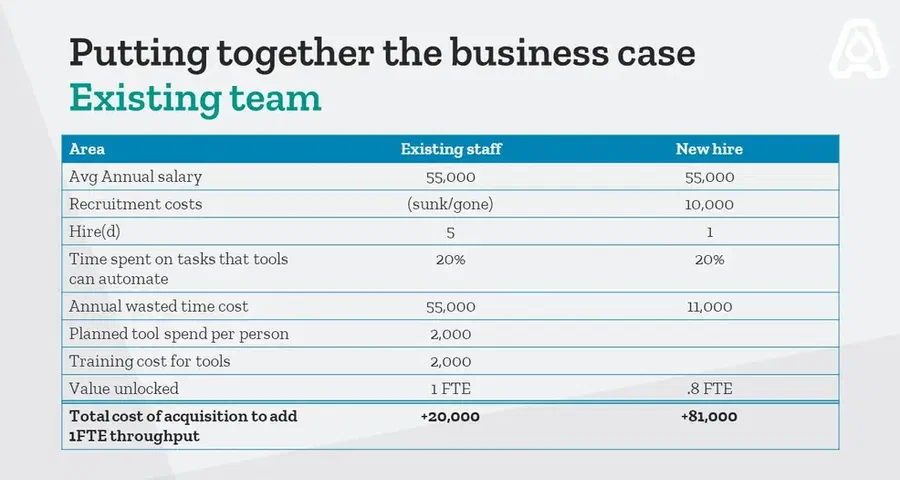
Tools matter for Developer Velocity
Businesses with the highest developer velocity experience the highest revenue growth, according to new research by Microsoft and McKinsey. Read on to understand how tools impact developer velocity and what the business case is for investing in them.
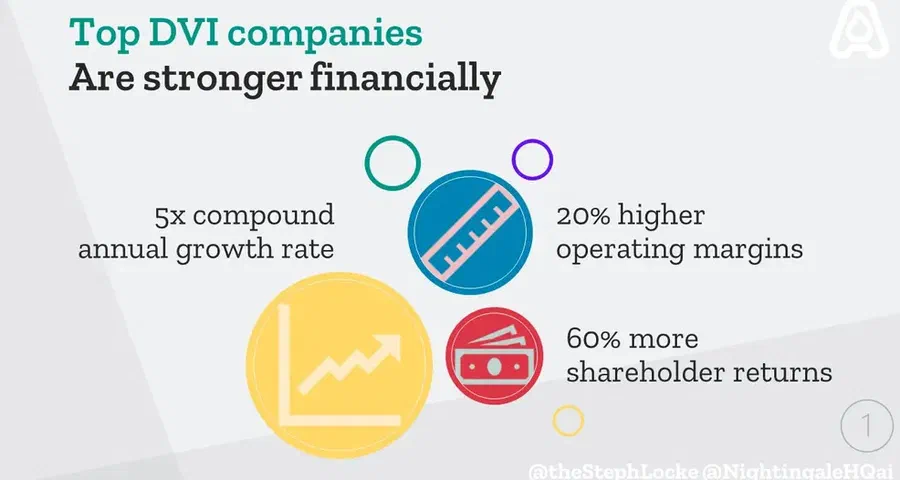
Developer Velocity
Businesses with the highest developer velocity experience the highest revenue growth, according to new research by Microsoft and McKinsey. Read on to understand the factors impacting developer velocity and how you can start building a strategy to improve this vital area of technology in your business.
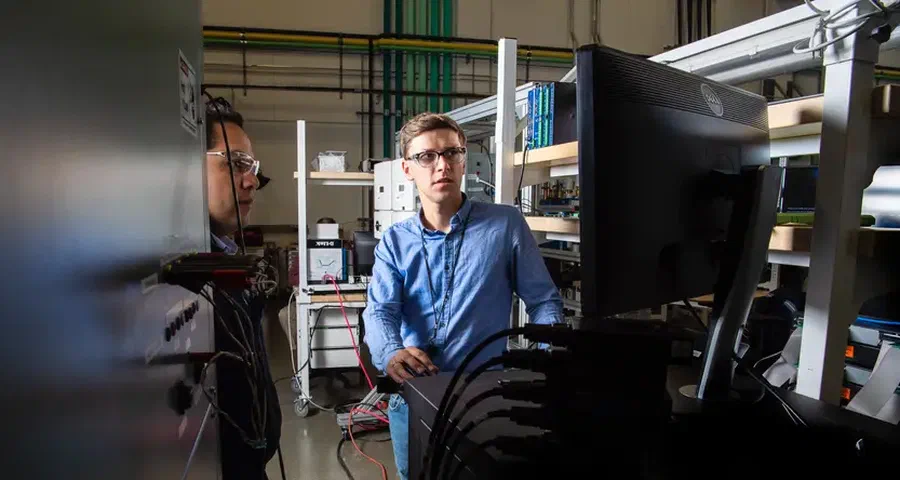
Manufacturers: Are you digitising or digitalising?
- Steph Locke
- Archive
- Jun 22, 2021
- Updated
To digitise your business means to perform traditionally analogue processes or actions digitally. Rather than a few changes here and there, digitalisation involves a change in how to the process is performed to better leverage technology.
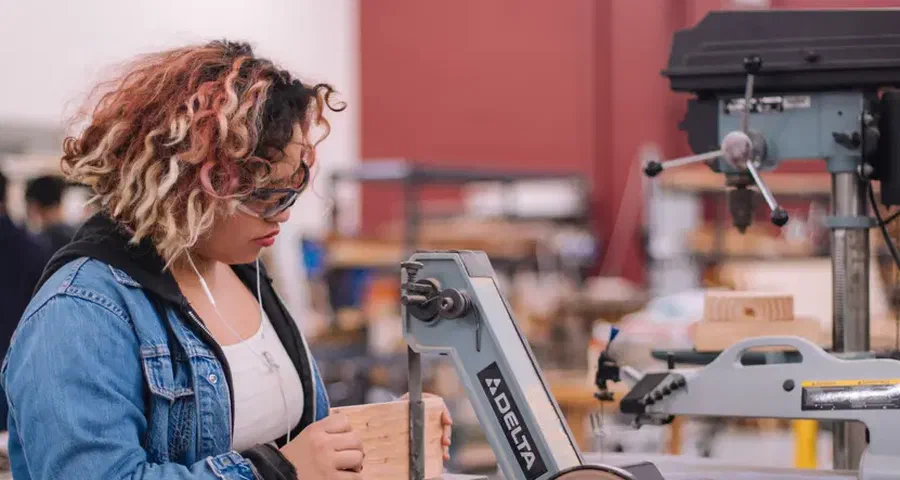
MLOps is like process engineering for Data Science
- Solange Borrego
- Archive
- Jun 21, 2021
- Updated
The goal of MLOps is to streamline the development, deployment, and operation of machine learning models, by supporting their building, testing, releasing, monitoring, performance tracking, reusing, maintenance and governance, joining the efforts of Data Science and IT teams under a shared focus.

Innovation funding with EIC Accelerator
- Ruth Kearney
- Archive
- Jun 14, 2021
- Updated
Here at Nightingale HQ, we have put in for funding with the EIC Accelerator. In this article, we’ll tell you what the EIC Accelerator is and why it’s worth applying for.
Digital Supply Chains and why you need one
- Solange Borrego
- Archive
- Jun 10, 2021
- Updated
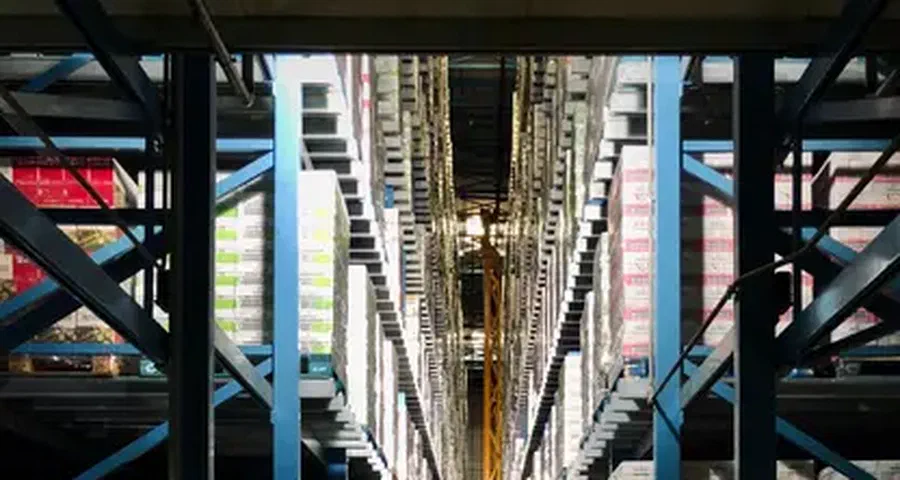
Adopting a Digital Supply Chain is big step towards achieving bigger goals like faster, more precise processes with visibility for the whole company. Digital Supply Chains can be hard to implement, but having a strategy is key. Most manufacturers already have some sort of data from ERP systems so building a Digital Supply Chain can begin with embracing more digital integrations with the ERP system and improving governance of the platform. It is very important to ensure that the implementation of a Digital Supply Chain is taken as seriously as other core business processes.
Digital Twins and AI for manufacturers
- Solange Borrego
- Archive , Learning , Blog
- Jun 1, 2021
- Updated
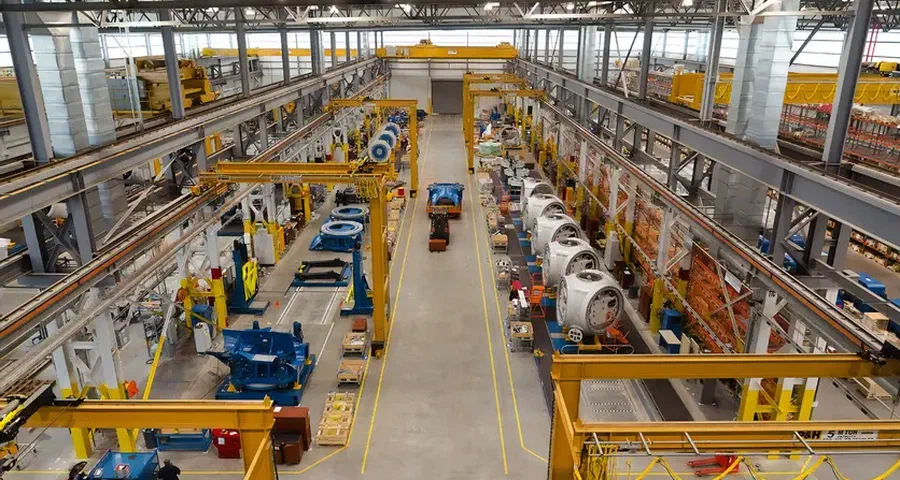
Digital Twins are virtual replicas of real-world systems enabling low-cost modelling of the factory floor to help optimise processes. Combined with AI the Digital Twin can support improved forecasting, dynamic optimisation, and more.

Announcing GoSmarter In A Day
- Steph Locke
- News
- May 21, 2021
- Updated
Our GoSmarter In A Day workshops solve one problem like processing Accounts Payable incoming invoices to demonstrate the value such automation can bring.

European AI Act
- Ruth Kearney
- Archive
- May 18, 2021
- Updated
The European Commission proposes new rules and actions aiming to turn Europe into the global hub for trustworthy Artificial Intelligence (AI).
Categories
Tags
- Artificial Intelligence
- Automation
- Cloud Technology
- Compliance
- Continuous Improvement
- Cutting Optimisation
- Data Strategy
- Digital Transformation
- Energy Management
- Glossary
- Inventory Management
- Inventory Management for Metals
- Ireland
- Manufacturing
- Metals
- Nightingale HQ and GoSmarter
- Procurement
- Production Planning
- Quality
- Research & Innovation
- Shape Code Technology
- Small & Medium Enterprises
- Steel Industry
- Supply Chain
- Sustainability
- Steel Tariffs
- Traceability
- Trade & International Steel
- Wales