Watch Taking a Sledgehammer to Bottlenecks 🎥 as Ruth & Steph show how AI actually fixes margins.

Digital Transformation

Digital Transformation Guidance

Navigate the complexities of digital transformation with our comprehensive resources covering Industry 4.0, Internet of Things (IoT), and digitalisation strategies. We help organisations understand and implement transformative technologies that drive efficiency and innovation.

Our digital transformation content explores how businesses can modernise their operations, adopt new technologies, and create digital-first cultures. From IoT sensor networks to connected factories and smart manufacturing systems, we cover the technologies reshaping industries.

Learn about successful transformation journeys, change management strategies, and how to overcome common challenges in digitalisation initiatives. Whether you’re beginning your digital transformation or accelerating existing efforts, our resources provide practical guidance for leveraging Industry 4.0 technologies to remain competitive.
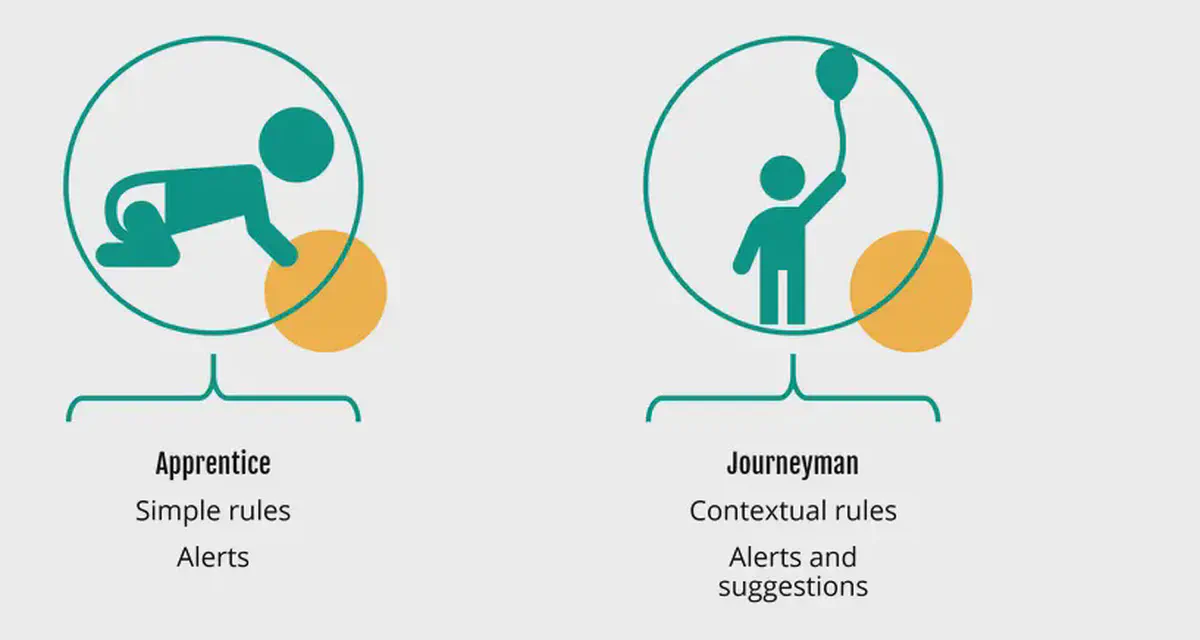
Mastering AI in manufacturing: the three levels of competency

Mastering AI in manufacturing: the three levels of competency

Manufacturers have been facing continual pressure to improve their technology base, reduce costs, and improve quality since the Industrial Revolution. Manufacturers are used to change but not every manufacturer can or will embrace it at the same rate. Also, no manufacturer jumps straight to being an expert at the new thing they're needing to adopt. The same goes for Artificial Intelligence (AI) as an emerging change in manufacturing.

Read More: Mastering AI in manufacturing: the three levels of competency
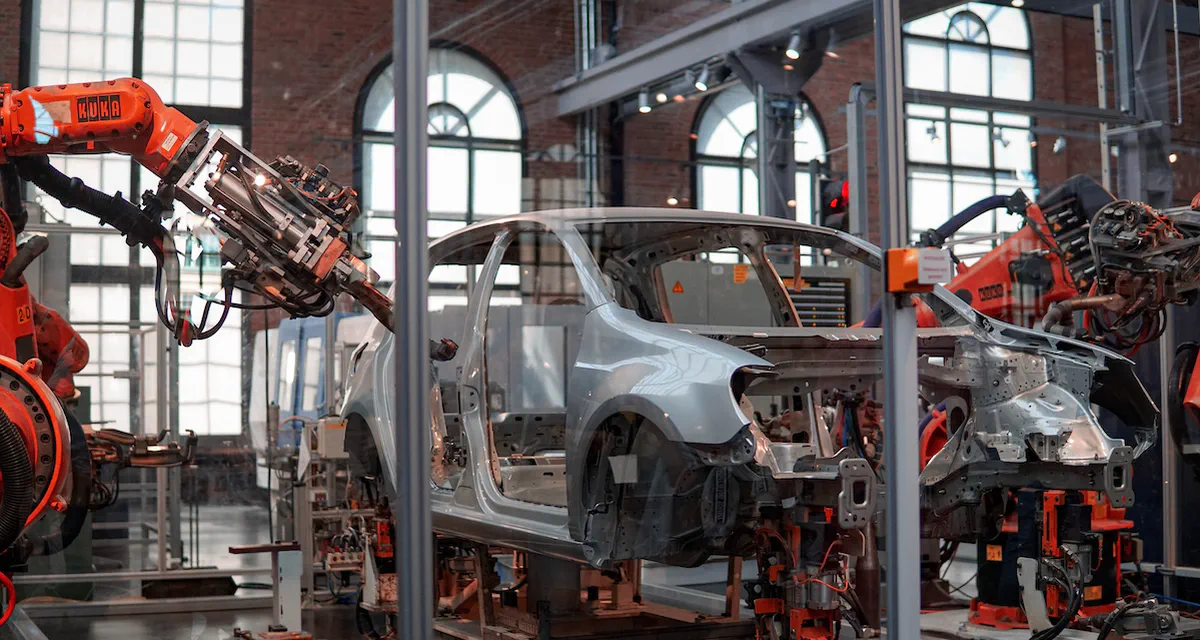
Industry IoT, smart factories and AI in manufacturing

Industry IoT, smart factories and AI in manufacturing

The world of manufacturing is on the brink of another revolution due to the Internet of Things (IoT) and Artificial Intelligence (AI) applications. Aside from clear use cases like robotics and automation, big data applications are coming into play, thanks to industrial time series data collected by data historians. Thriving on all this data, AI systems can be built to send early warnings, optimise processes, predict maintenance and enforce quality control. By collecting the right data, manufacturers can get really creative with their AI solutions, and it can set them apart from the competition.

Read More: Industry IoT, smart factories and AI in manufacturing
A partnership of Machine Learning and AI with healthcare professionals

A partnership of Machine Learning and AI with healthcare professionals

Healthcare has always been a data-rich area, but with new technologies for processing and structuring, and new ways of collecting data, such as using sensors, like many other industries, the available data is growing exponentially. Artificial Intelligence (AI) makes it possible to analyse all this data in real-time by combing Machine Learning (ML) and Natural Language Processing (NLP), in order to gain valuable insights.

Read More: A partnership of Machine Learning and AI with healthcare professionals
What to watch for in the FinTech startup industry

What to watch for in the FinTech startup industry

If anyone has raced ahead with AI adoption, it’s the finance industry. The rise of AI goes hand in hand with the wave of FinTech services and applications that have surfaced in recent years. From automating the approval of loan applications and spotting fraud to personalised services and cryptocurrencies, these applications save time, reduce errors and ultimately save money. This makes them a lucrative investment for banks, who seem to be at the forefront of the AI revolution, showing other industries that making bold changes and engaging with these technologies is worthwhile.

Read More: What to watch for in the FinTech startup industry
Let your business strategy drive AI adoption

Let your business strategy drive AI adoption

To reveal the tactics and behaviours of companies that are getting the most out of AI, MIT Sloan Management Review and Boston Consultancy Group undertook a survey of more than 2500 executives alongside 17 expert interviews in their 2019 report, Winning with AI - link no longer works. One of their findings was that while 9 out of 10 respondents saw AI as an opportunity for their company, the perceived risk of AI is on the rise, with 45% of respondents reporting perceived risk from AI (compared to 37% in 2017).

Read More: Let your business strategy drive AI adoption
Can AI outperform medical professionals in diagnosis?

Can AI outperform medical professionals in diagnosis?

Last year the Guardian - link no longer works reported that AI is 'equal to humans in medical diagnoses' when interpreting images, referring to a study published in Lancet Digital Health. The study revealed that AI 'deep learning' systems were able to detect disease 87% of the time and correctly gave the all-clear in 93% of cases (the equivalent success rate in healthcare professionals is 86% and 93%). This means that AI in healthcare is on track to support medical professionals, leading to faster, cheaper diagnoses and drug development. This will allow healthcare professionals to achieve more with their time and help more people.

Read More: Can AI outperform medical professionals in diagnosis?
How to get AI to work for your business and enhance operations

How to get AI to work for your business and enhance operations

Enterprise cognitive computing is the application of AI to enhance business operations. It has a wide range of applications including call handling, fraud detection and maintenance scheduling. ECC systems automate repetitive tasks and improve efficiency through fast search and information processing.

Read More: How to get AI to work for your business and enhance operations