Data Strategy
Data Strategy for Metals Manufacturers
Your factory produces data constantly. Shift reports, inspection results, order histories, material certifications, supplier records. Most of it is scattered across spreadsheets, email inboxes, and filing cabinets.
A data strategy is the plan for changing that. It covers what data you collect, where you store it, who can access it, and how you use it to make better decisions.
For metals manufacturers, the priorities are clear:
- Data governance: who owns each data type, and who is allowed to change it
- Data quality: are your material records accurate, complete, and traceable?
- Data security and privacy: protecting customer order data and supplier certifications
- Business intelligence: turning production records into dashboards that help you manage
- DataOps: keeping your data pipelines working when systems change
You do not need a data science team to start. You need a clear picture of what data you already have and what decisions you wish you could make faster. Start there.
For metals manufacturers considering new software: your data stays yours. GoSmarter is EU-hosted and compliant with the General Data Protection Regulation (GDPR), your records are exportable as CSV at any time, and there are no exit fees. The data-strategy questions worth asking before any new system: where does my data live, what happens to it when I leave, and does the vendor make it easy to find out? Those should have clear, written answers before you sign anything.
Posts in this section cover governance frameworks, data platform choices, and the practical steps that turn scattered records into a working system.

Wales 247 Feature
- Steph Organ
- News
- Aug 26, 2020
- Updated
Wales 247 ran a story on Nightingale HQ’s successful £50,000 grant application.
Cardiff Times
- Steph Organ
- News
- Aug 26, 2020
- Updated
As well as free access, the GoSmarter.ai team will support businesses by helping them get the software up and running quickly. They are designed to be accessible to SMEs across all industries with participants already registered from retail, hospitality and manufacturing sectors.
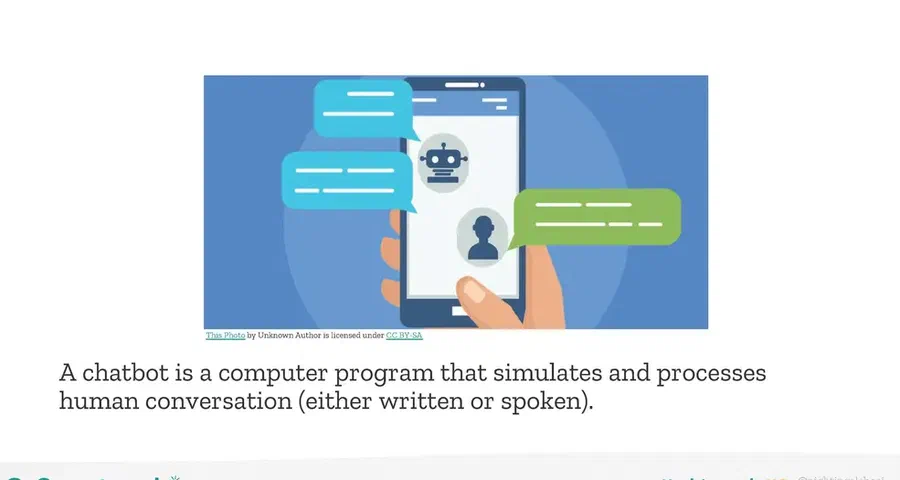
Customer service automation with an easy FAQ Chatbot
- Steph Organ
- Archive
- Aug 25, 2020
- Updated
As part of our #GoSmarter webinar series, Mia Hatton, Data Science Apprentice for Nightingale HQ and founder of a small business, talks to us about the wonders that an FAQ Chatbot can do for business, approaching the topic from both points of view. Our GoSmarter project is aimed at SMEs to help them bounce back from the effects of COVID-19 by providing them with the 6 tools to get them automating and saving time.
Bigger, better sales with AI
Automation and Artificial Intelligence can support the sales team to make bigger, better sales. AI in sales and marketing can be particularly valuable. In this #GoSmarter webinar Steph Locke, CEO of Nightingale HQ takes a look at automation tools in a B2B context and how easy they are to adopt.

COVID triggers a wave of automation
- Steph Organ
- Archive
- Jul 23, 2020
- Updated
For companies that have survived thus far through the global pandemic, the next huge challenge they face is getting back to normal. Numerous factors, from uncertain cashflow to making the workplace safe enough to return to, prove that the old ways just won’t work.

Social listening for small businesses
- Steph Locke
- Archive
- Jul 21, 2020
- Updated
Our latest webinar was on social listening. Social listening is monitoring social media for feedback, mentions, or relevant chatter to gain insight or act. The price tag on this capability is at least $150 per month putting it outside the budget of a small business. With #GoSmarter, we're introducing a practically free and highly extendable option for small businesses.


Automation: The fundamentals
GoSmarter is an AI-powered tools and training support toolkit to help businesses optimise digital operations, saving precious time and helping increase productivity.
7 reasons why SMEs need to automate and how
- Ruth Kearney
- Learning , Archive
- Jul 3, 2020
- Updated
Going digital and using automation has never been more important to small businesses than it has been since COVID-19. Here's some stats you may not know...
5.6million UK SMEs - listen up and automate!
- Ruth Kearney
- Archive
- Jun 26, 2020
- Updated
This week on AIFightsBack, Steph Locke, CEO of Nightingale HQ, talked about the new GoSmarter automation toolbox, funded by Innovate UK and free for SMEs to use.
Categories
Tags
- Artificial Intelligence
- Automation
- Cloud Technology
- Compliance
- Continuous Improvement
- Cutting Optimisation
- Data Strategy
- Digital Transformation
- Energy Management
- Glossary
- Inventory Management
- Inventory Management for Metals
- Ireland
- Manufacturing
- Metals
- Nightingale HQ and GoSmarter
- Procurement
- Production Planning
- Quality
- Research & Innovation
- Shape Code Technology
- Small & Medium Enterprises
- Steel Industry
- Supply Chain
- Sustainability
- Steel Tariffs
- Traceability
- Trade & International Steel
- Wales