Data Strategy
Data Strategy for Metals Manufacturers
Your factory produces data constantly. Shift reports, inspection results, order histories, material certifications, supplier records. Most of it is scattered across spreadsheets, email inboxes, and filing cabinets.
A data strategy is the plan for changing that. It covers what data you collect, where you store it, who can access it, and how you use it to make better decisions.
For metals manufacturers, the priorities are clear:
- Data governance: who owns each data type, and who is allowed to change it
- Data quality: are your material records accurate, complete, and traceable?
- Data security and privacy: protecting customer order data and supplier certifications
- Business intelligence: turning production records into dashboards that help you manage
- DataOps: keeping your data pipelines working when systems change
You do not need a data science team to start. You need a clear picture of what data you already have and what decisions you wish you could make faster. Start there.
For metals manufacturers considering new software: your data stays yours. GoSmarter is EU-hosted and compliant with the General Data Protection Regulation (GDPR), your records are exportable as CSV at any time, and there are no exit fees. The data-strategy questions worth asking before any new system: where does my data live, what happens to it when I leave, and does the vendor make it easy to find out? Those should have clear, written answers before you sign anything.
Posts in this section cover governance frameworks, data platform choices, and the practical steps that turn scattered records into a working system.
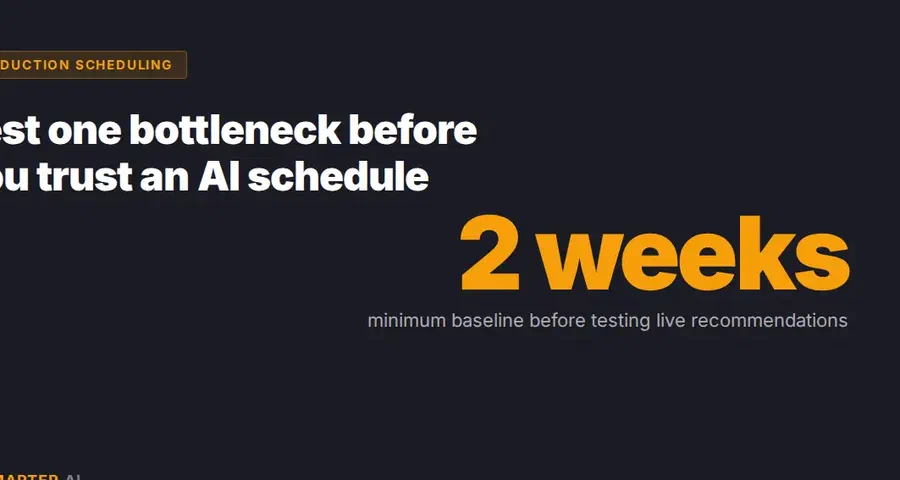
AI Production Scheduling for Metal Fabricators: Where to Start
- Steph Locke
- Blog
- Oct 21, 2026
- Updated
Start AI production scheduling on one bottleneck. Clean the data, record a two-week baseline, test disruptions and decide whether to expand, refine or pause.
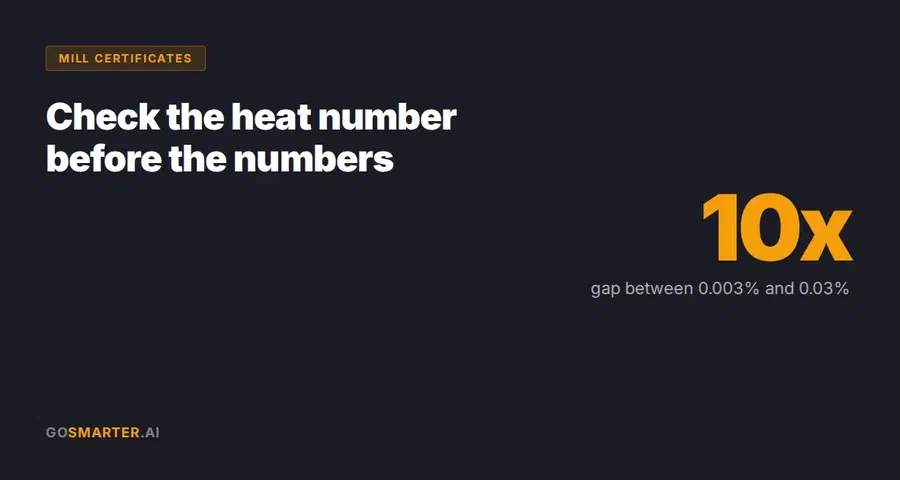
How to Read a Mill Test Certificate: A Field Guide for Quality Managers
- Steph Locke
- Blog
- Oct 19, 2026
- Updated
Mismatched mill certificates risk wrong releases. Check traceability, chemistry and mechanical results in order, and hold anything unresolved before release.
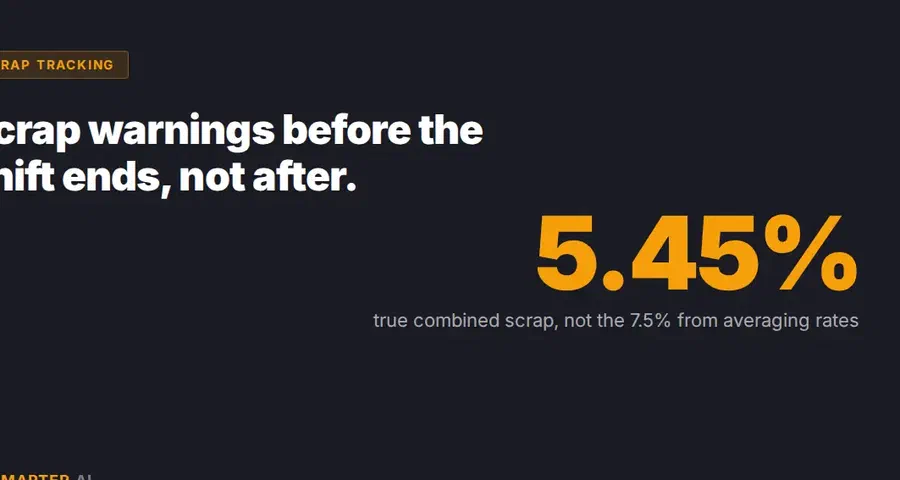
How Real-Time ERP Data Cuts Scrap Surprises
- Steph Locke
- Blog
- Oct 7, 2026
- Updated
Late Enterprise Resource Planning (ERP) postings hide scrap until the order closes. Count every kilogram, trace it to a coil or heat, and set shift alerts that stop drift in time.
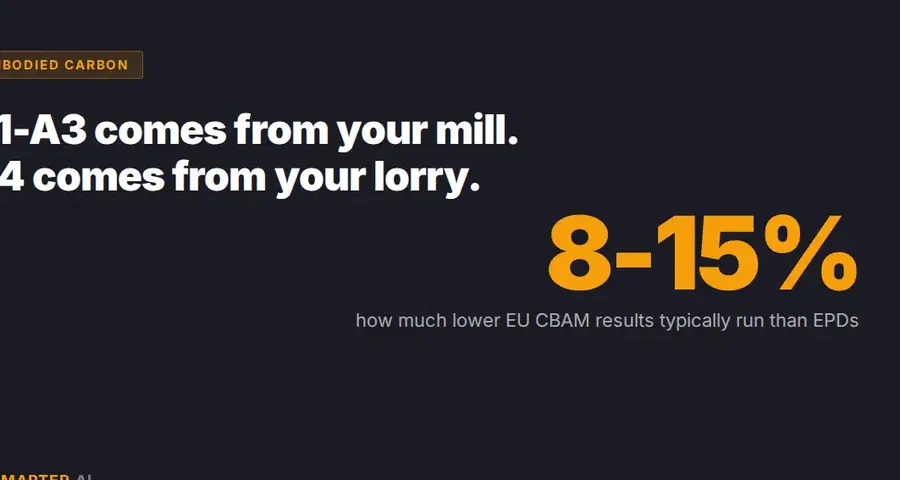
Embodied Carbon A1-A4: A Guide for UK Metal Fabricators
Customers now ask fabricators for embodied carbon per order. A1-A3 comes mostly from your mill’s EPD plus your own yield losses. A4 is your delivery. The rest belongs to the customer. This guide shows how to measure each figure from tonnes used, supplier GWP and delivery records. It covers how to manage the number, and which UK demands are mandatory, client-driven or still proposals as of October 2026.
Why PDF Mill Certificates Break Data Workflows
- Ruth Kearney
- Blog
- Oct 5, 2026
- Updated
Re-keying PDF mill certificates breaks heat-number traceability. Learn how to validate, extract and link certificate fields to stock records.
How digital Kanban cuts sheet metal delays
- Ruth Kearney
- Blog
- Sep 30, 2026
- Updated
Digital Kanban caps work in progress (WIP) at each sheet metal operation. Only jobs with confirmed material, certificate, revision and downstream capacity get released, so queues shrink between laser and press brake.
Inventory Platform Checklist for Steel Service Centres
- Steph Locke
- Blog
- Sep 28, 2026
- Updated
A 7-test checklist for steel service centres buying an inventory platform. Put heat-number traceability first, test the messy shop-floor cases, and treat lost genealogy or hidden remnants as deal-breakers.

AI Compliance Tracking: Cost vs. Benefits
- Ruth Kearney
- Blog
- Sep 25, 2026
- Updated
Manual mill cert tracking is not free. Compare the labour, audit and error costs with AI tracking, and find your break-even in hours a month.
Sustainability KPIs for Metals Supply Chains
- Steph Locke
- Blog
- Sep 23, 2026
- Updated
Carbon, scrap and recycled-content KPIs only survive an audit if they trace back to a heat number and mill certificate. This guide sets out which sustainability KPIs to track, how to split Scope 1, 2 and 3, and how to test each KPI against live production records. It also explains the GWP A1-A3 figure from supplier EPDs that UK customers ask for, and which demands are mandatory.
Your ERP Calls It Traceability. It Isn't.
- Steph Locke
- Blog
- Sep 15, 2026
- Updated
ERPs give metals manufacturers a paper trail of stock movements and call it traceability. Real traceability means naming the exact heat, cert, and every stock movement behind any part, instantly, in both directions.
Categories
Tags
- Artificial Intelligence
- Automation
- Cloud Technology
- Compliance
- Continuous Improvement
- Cutting Optimisation
- Data Strategy
- Digital Transformation
- Energy Management
- Glossary
- Inventory Management
- Inventory Management for Metals
- Ireland
- Manufacturing
- Metals
- Nightingale HQ and GoSmarter
- Procurement
- Production Planning
- Quality
- Research & Innovation
- Shape Code Technology
- Small & Medium Enterprises
- Steel Industry
- Supply Chain
- Sustainability
- Steel Tariffs
- Traceability
- Trade & International Steel
- Wales