Data Strategy
Data Strategy for Metals Manufacturers
Your factory produces data constantly. Shift reports, inspection results, order histories, material certifications, supplier records. Most of it is scattered across spreadsheets, email inboxes, and filing cabinets.
A data strategy is the plan for changing that. It covers what data you collect, where you store it, who can access it, and how you use it to make better decisions.
For metals manufacturers, the priorities are clear:
- Data governance: who owns each data type, and who is allowed to change it
- Data quality: are your material records accurate, complete, and traceable?
- Data security and privacy: protecting customer order data and supplier certifications
- Business intelligence: turning production records into dashboards that help you manage
- DataOps: keeping your data pipelines working when systems change
You do not need a data science team to start. You need a clear picture of what data you already have and what decisions you wish you could make faster. Start there.
For metals manufacturers considering new software: your data stays yours. GoSmarter is EU-hosted and compliant with the General Data Protection Regulation (GDPR), your records are exportable as CSV at any time, and there are no exit fees. The data-strategy questions worth asking before any new system: where does my data live, what happens to it when I leave, and does the vendor make it easy to find out? Those should have clear, written answers before you sign anything.
Posts in this section cover governance frameworks, data platform choices, and the practical steps that turn scattered records into a working system.
How 10 manufacturers are digitally transforming with Microsoft
- Will Harris
- Archive
- Aug 4, 2021
- Updated
Here at Nightingale HQ, we’re proud to be Microsoft partners. We use their tech to power our data and AI services. To showcase the impact Microsoft services can have, we’ve collected some of our favourite Microsoft manufacturing success stories.

Manufacturers - you need DataOps
DataOps also helps you build a more agile digital supply chain by enabling analytic teams to automate their processes, which in turn reduces cycle time on data analytics. Getting this data infrastructure right is critical for helping Operational Technology (OT) get the most out of real-time data to optimise processes. DataOps is part of your ability to move quickly in the digital space. It should be part of your overall approach to your developer velocity and can help staff to discover the data they need to drive insightful improvements in your organisation.

Europe's '2030 Digital Compass' and manufacturing
- Ruth Kearney
- Archive
- Jul 29, 2021
- Updated
The 2030 Digital Compass aims to digitally transform Europe by the end of the decade. It aims to strengthen digital infrastructure and facilitate digital transformation of businesses and the public sector. At its core will be a framework that allows businesses and services to go digital in keeping with European values.

Europe’s Digital Strategy and Manufacturing
- Ruth Kearney
- Archive
- Jul 27, 2021
- Updated
Data in manufacturing could have a net benefit of €1.5 trillion by 2027 so the European Digital Strategy needs to help realise that benefit. The strategy will help make common data spaces available and support cloud infrastructures to assist manufacturers.
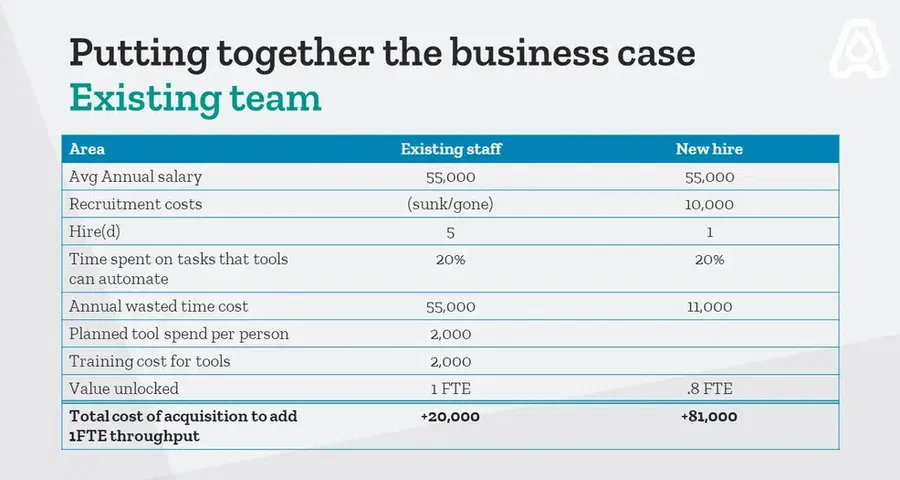
Investing in tools scales staff productivity
Businesses with the highest productivity experience more stable and consistent revenue growth, as well as being able to adapt more quickly. With less waste and more staff power focussed on growth, manufacturers with an investment in tooling are more operationally resilient.

Chatbots explained
Chatbots are computer programmes that provide a (primarily) text-based interface to help people access information or perform tasks. Chatbot conversations can help you improve customer service whilst reducing demand on staff. They can process text using natural language processing and build a conversational workflow to support a intuitive interaction with people.

How to move your operations to the cloud - what you need to know
You’ve probably heard of the cloud but what is it and how can it help your business? Learn how moving to the cloud can help you innovate and stay ahead of the curve when it comes to tech.
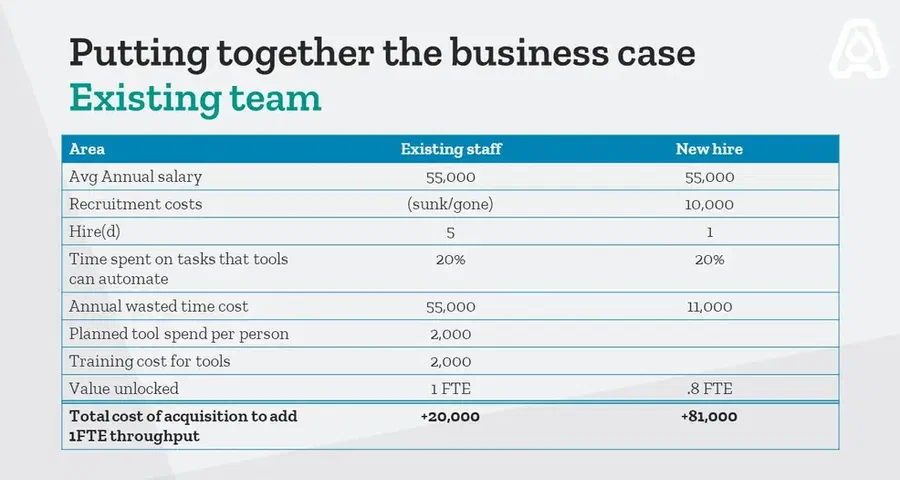
Tools matter for Developer Velocity
Businesses with the highest developer velocity experience the highest revenue growth, according to new research by Microsoft and McKinsey. Read on to understand how tools impact developer velocity and what the business case is for investing in them.
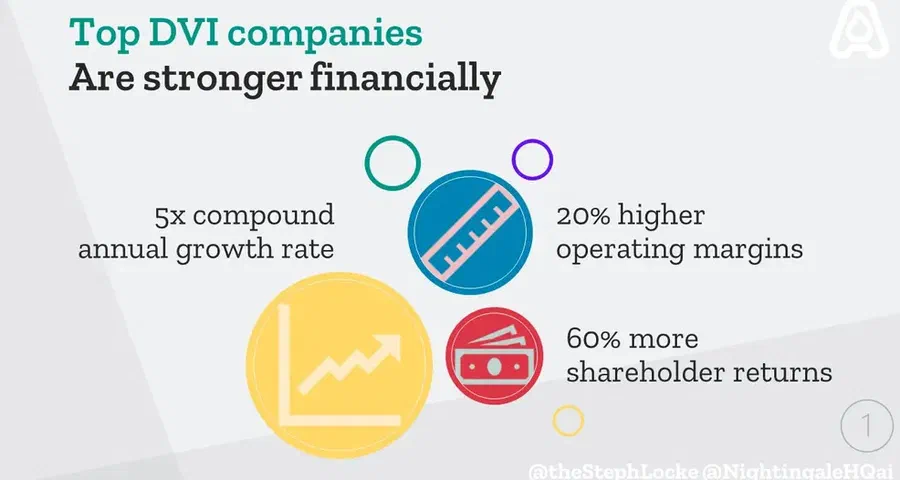
Developer Velocity
Businesses with the highest developer velocity experience the highest revenue growth, according to new research by Microsoft and McKinsey. Read on to understand the factors impacting developer velocity and how you can start building a strategy to improve this vital area of technology in your business.

Selected for Procter & Gamble Supplier Academy 2021
- Ruth Kearney
- News
- Jun 28, 2021
- Updated
The Procter & Gamble Supplier Academy is a partnership between P&G and WEConnect International, providing training for majority women-owned businesses.
Categories
Tags
- Artificial Intelligence
- Automation
- Cloud Technology
- Compliance
- Continuous Improvement
- Cutting Optimisation
- Data Strategy
- Digital Transformation
- Energy Management
- Glossary
- Inventory Management
- Inventory Management for Metals
- Ireland
- Manufacturing
- Metals
- Nightingale HQ and GoSmarter
- Procurement
- Production Planning
- Quality
- Research & Innovation
- Shape Code Technology
- Small & Medium Enterprises
- Steel Industry
- Supply Chain
- Sustainability
- Steel Tariffs
- Traceability
- Trade & International Steel
- Wales