Data Strategy
Data Strategy for Metals Manufacturers
Your factory produces data constantly. Shift reports, inspection results, order histories, material certifications, supplier records. Most of it is scattered across spreadsheets, email inboxes, and filing cabinets.
A data strategy is the plan for changing that. It covers what data you collect, where you store it, who can access it, and how you use it to make better decisions.
For metals manufacturers, the priorities are clear:
- Data governance: who owns each data type, and who is allowed to change it
- Data quality: are your material records accurate, complete, and traceable?
- Data security and privacy: protecting customer order data and supplier certifications
- Business intelligence: turning production records into dashboards that help you manage
- DataOps: keeping your data pipelines working when systems change
You do not need a data science team to start. You need a clear picture of what data you already have and what decisions you wish you could make faster. Start there.
For metals manufacturers considering new software: your data stays yours. GoSmarter is EU-hosted and compliant with the General Data Protection Regulation (GDPR), your records are exportable as CSV at any time, and there are no exit fees. The data-strategy questions worth asking before any new system: where does my data live, what happens to it when I leave, and does the vendor make it easy to find out? Those should have clear, written answers before you sign anything.
Posts in this section cover governance frameworks, data platform choices, and the practical steps that turn scattered records into a working system.

It's competition time with EIT BoostUp - Irish Edition
- Ruth Kearney
- News
- Jun 19, 2023
- Updated
This week the NHQ team head to the IMR to attend EIT Manufacturing BoostUp competition.
Manufacturing Solutions Conference 2023
- grace
- News
- Jun 9, 2023
- Updated
Next week the NHQ team will be panelling and exhibiting at the Manufacturing Solutions Conference on 14/15 June in Technological University Of The Shannon (TUS) in Limerick.

NHQ embracing manufacturing conferences this summer!
- Ruth Kearney
- News
- May 24, 2023
- Updated
Attending conferences has its opportunity-cost, but I usually find them productive and worthwhile. I’m no stranger to the National Manufacturing & Supply Chain Conference held in the RDS every year and find that there is a good networking opportunity with strong representation of both manufacturers and vendors from all over the world.

Umbraco London, Global Azure Day and Microsoft Reactor
- Richard Jackson
- News
- May 19, 2023
- Updated
This week, Richard Jackson (Cloud Software Engineer) visited London for two sessions at Microsoft Reactor, and to present a talk at Umbraco London.

SQLBits 2023
- Richard Jackson
- Archive
- Mar 21, 2023
- Updated
SQLBits is the largest community-led SQL Server and Microsoft Data Platform conference in Europe.
Manufacturing excellence with Astellas Ireland
Learning from manufacturing best practice with Astellas Ireland.
Going International
- Samantha Dart MSc
- News
- Jan 26, 2023
- Updated
Nightingale HQ’s Richard Jackson attended a round table discussion regarding international trade with Wales Business Insider.
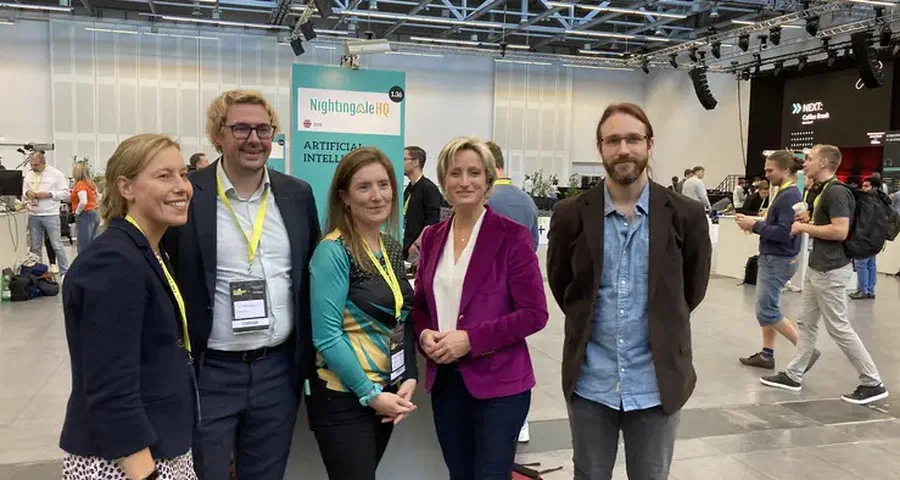
Nightingale HQ meets German manufacturers and tech founders
In an effort to increase visibility of UK technology start-ups the Welsh and UK governments participated in Start-up BW conference in Batten-Württemberg Germany this September.

Nightingale HQ supports Green Freight with FLS Logistics
- Samantha Dart MSc
- Archive , Case studies
- Jul 5, 2022
- Updated
Many industries are becoming more aware of the impacts of their CO2 emissions and are looking for practical ways to reduce this. It’s an area that we have written about previously, where we explore digital tools that can help accelerate greater sustainability.
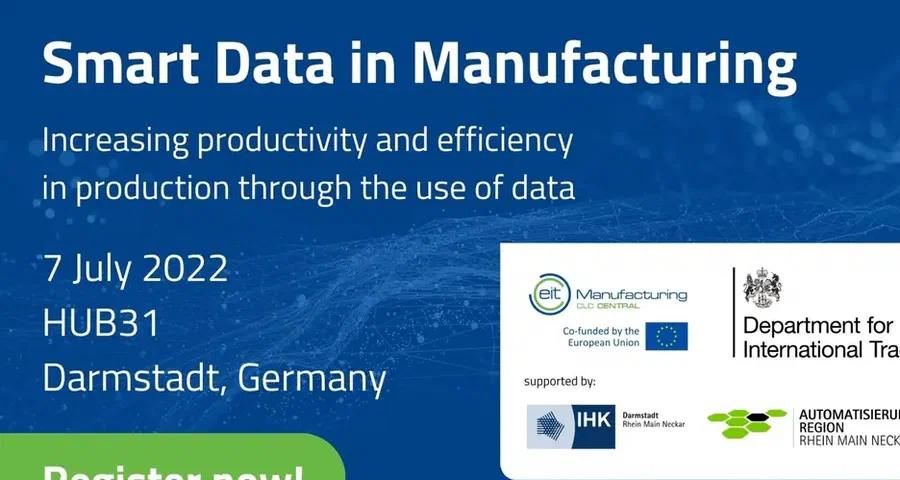
Smart Data in Manufacturing - Germany
- Samantha Dart MSc
- News
- Jul 5, 2022
- Updated
In our efforts to expand in the German markets and partner with the Mittelstand or SME manufacturers, our CEO Ruth Kearney will be presenting at the Smart Data in Manufacturing event in Darmstadt on the 7th of July 2022.
Categories
Tags
- Artificial Intelligence
- Automation
- Cloud Technology
- Compliance
- Continuous Improvement
- Cutting Optimisation
- Data Strategy
- Digital Transformation
- Energy Management
- Glossary
- Inventory Management
- Inventory Management for Metals
- Ireland
- Manufacturing
- Metals
- Nightingale HQ and GoSmarter
- Procurement
- Production Planning
- Quality
- Research & Innovation
- Shape Code Technology
- Small & Medium Enterprises
- Steel Industry
- Supply Chain
- Sustainability
- Steel Tariffs
- Traceability
- Trade & International Steel
- Wales