Data Strategy
Data Strategy for Metals Manufacturers
Your factory produces data constantly. Shift reports, inspection results, order histories, material certifications, supplier records. Most of it is scattered across spreadsheets, email inboxes, and filing cabinets.
A data strategy is the plan for changing that. It covers what data you collect, where you store it, who can access it, and how you use it to make better decisions.
For metals manufacturers, the priorities are clear:
- Data governance: who owns each data type, and who is allowed to change it
- Data quality: are your material records accurate, complete, and traceable?
- Data security and privacy: protecting customer order data and supplier certifications
- Business intelligence: turning production records into dashboards that help you manage
- DataOps: keeping your data pipelines working when systems change
You do not need a data science team to start. You need a clear picture of what data you already have and what decisions you wish you could make faster. Start there.
For metals manufacturers considering new software: your data stays yours. GoSmarter is EU-hosted and compliant with the General Data Protection Regulation (GDPR), your records are exportable as CSV at any time, and there are no exit fees. The data-strategy questions worth asking before any new system: where does my data live, what happens to it when I leave, and does the vendor make it easy to find out? Those should have clear, written answers before you sign anything.
Posts in this section cover governance frameworks, data platform choices, and the practical steps that turn scattered records into a working system.
Nightingale HQ delivers on scrap cutting trials with steel manufacturer
- Ruth Kearney
- News
- Dec 20, 2024
- Updated
{Cardiff, December 2024} – As the steel industry continues to account for nearly one-third of global industrial CO₂ emissions, the imperative for innovative, sustainable production methods has never been greater. Nightingale HQ, a pioneering force in industrial AI, has developed GoSmarter: a cutting-edge, AI-powered toolkit that enables steel manufacturers to dramatically reduce material waste and carbon emissions.
CEO speaks at European Manufacturing Conference
- grace
- News
- Sep 20, 2024
- Updated
CEO Ruth Kearney will speak at the 2024 European Manufacturing Conference to be held in Brussels this month.
STRADA Project Empowers Women in Manufacturing with Leadership Programme
- grace
- News
- Sep 16, 2024
- Updated
Co-funded by EIT Manufacturing, Strada provides leadership tools to women in manufacturing to tackle the gender gap in the industry. Nightingale HQ is a core partner and also leads the Leading Digitalisation masterclass.
Northern Ireland Manufacturing & Supply Chain Conference highlights
It was great to contribute to the Northern Ireland Manufacturing & Supply Chain Conference & Exhibition Titanic Exhibition Centre last week. I was there to talk about our approach to greener software, to promote Strada and to network with the wider manufacturing community.
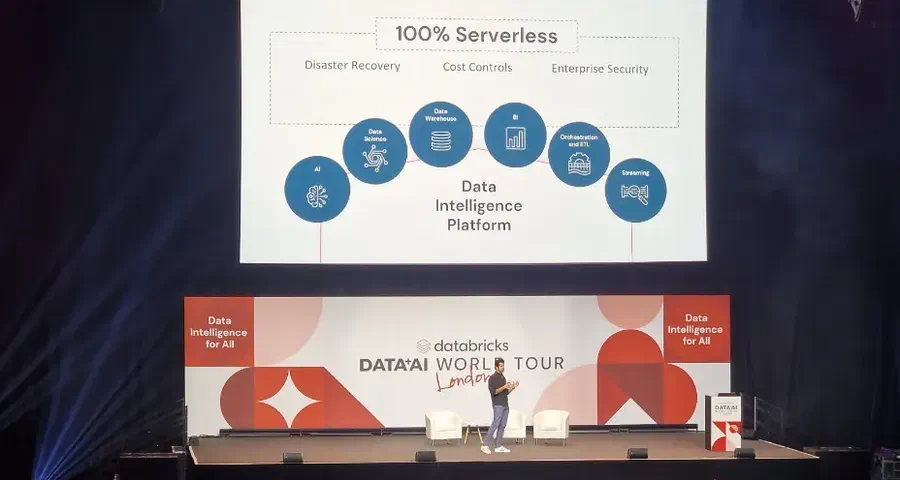
NHQ attend Databricks's Data + AI World Tour
We were invited to attend Databricks’s “Data + AI World Tour” event, held at the ExCel in London, UK, on 11th Sept 2024. The data platform Databricks has been an increasingly valuable tool for Nightingale HQ’s software development.
NHQ to speak at Northern Ireland Manufacturing Conference
- grace
- News
- Sep 10, 2024
- Updated
Our CEO Ruth Kearney will give several talks at this year’s Northern Ireland Manufacturing & Supply Chain Conference & Exhibition happening in Titanic Exhibition Centre, Belfast on 12 September.
Whitepaper on Sustainable Serverless Computing for Manufacturers
- Chris Wilson
- News
- Feb 26, 2024
- Updated
Nightingale HQ has released a technology whitepaper that investigates the landscape of sustainable serverless computing for manufacturers. Titled ‘Serverless Cloud Architectures for Sustainable Manufacturing Compute" the paper provides a detailed blueprint for leveraging serverless computing to drive environmental sustainability in manufacturing processes.
Wales tech scale-up collaborate with steel manufacturers to make production greener
- Ruth Kearney
- News
- Feb 25, 2024
- Updated
Wales and Ireland-based technology business, Nightingale HQ (NHQ) has supported a major UK & EU consortium as it looks to make reinforcement steel manufacturing greener. The collaboration includes steel manufacturers Midland Steel and Bastal AS, Kuka Robotics, civil engineers OCSC and research partners VTT. The project is funded by EIT Manufacturing and Innovate UK.

South West Manufacturing Digitalisation Series
South West Manufacturing Digitalisation Series from RDI Hub in the South West of Ireland.
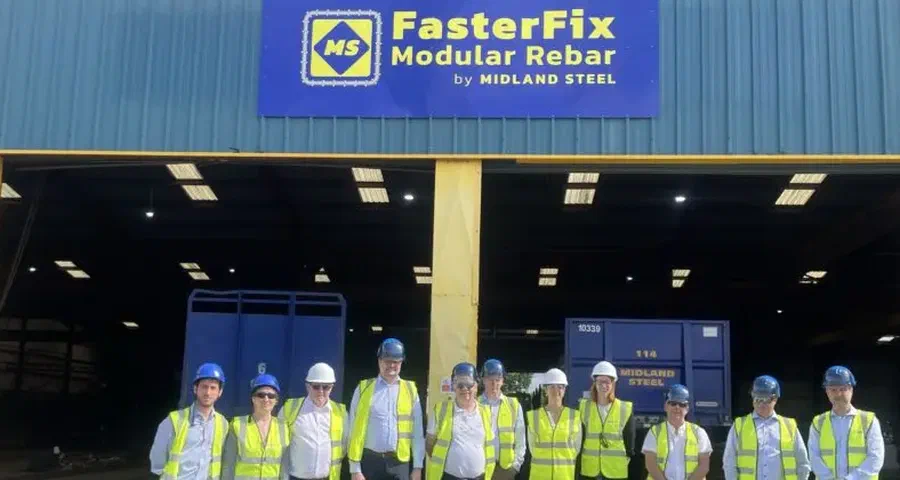
NHQ joins consortium to make steel industry greener
- grace
- News
- Jul 16, 2023
- Updated
Technology business Nightingale HQ have won funding with a European consortium to make steel manufacturing greener.
Categories
Tags
- Artificial Intelligence
- Automation
- Cloud Technology
- Compliance
- Continuous Improvement
- Cutting Optimisation
- Data Strategy
- Digital Transformation
- Energy Management
- Glossary
- Inventory Management
- Inventory Management for Metals
- Ireland
- Manufacturing
- Metals
- Nightingale HQ and GoSmarter
- Procurement
- Production Planning
- Quality
- Research & Innovation
- Shape Code Technology
- Small & Medium Enterprises
- Steel Industry
- Supply Chain
- Sustainability
- Steel Tariffs
- Traceability
- Trade & International Steel
- Wales