Artificial Intelligence
AI for Metals Manufacturing
AI isn’t one thing. It’s a shorthand for a dozen different technologies: machine learning, computer vision, natural language processing, and optimisation algorithms. Each solves a different class of problem.
For metals manufacturers, the most valuable applications are narrow and practical. AI that reads mill certificates in seconds and extracts every heat number, grade, and mechanical property without anyone typing a thing. AI that calculates optimal cut sequences for bar, rebar, and structural sections, cutting scrap by up to 50%. AI that monitors stock levels in real time and flags reorder points before you run short.
None of this requires a data science team or a rip-and-replace ERP project. The best metals AI sits on top of what you already have: your spreadsheets, your email inbox, your existing ERP. It adds intelligence where it counts. You pilot on one product family. You go live in a day. You scale when it works.
Posts here cover practical implementations for metals manufacturers: certificate automation, cutting optimisation, inventory intelligence, and what to expect when you bring AI into a shop that’s been running on Excel and tribal knowledge.
Start with the problem you want to solve. Let the maths do the rest.
Nightingale HQ team up with ICBE
- Ruth Kearney
- News
- Apr 22, 2020
- Updated
Nightingale HQ team up with Irish Centre for Business Excellence Network (ICBE) Advanced Productivity Skillnet to bring three webinars on AI in Manufacturing as part of the AIFightsBack series.

Augmenting Customer Services with Chatbots
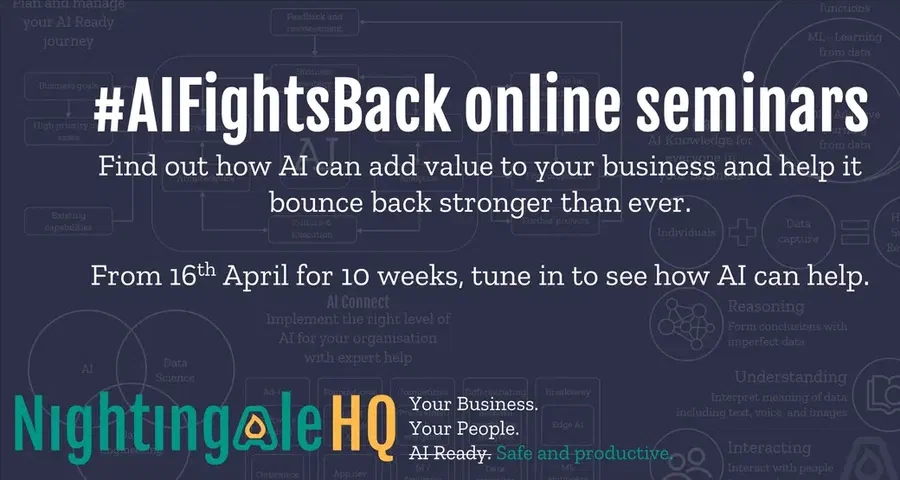
Last week we kicked off our AIFightsBack series to help businesses understand how AI can be used to support a safe and productive business during COVD-19 and beyond. The slides and video are now available.
Announcement: AIFightsBack webinar series
- Ruth Kearney
- News
- Apr 6, 2020
- Updated
It's been a very tough few weeks, and the world as we know it has changed forever. Our families, our communities, businesses and the global economy are all feeling the pressure of the COVID-19 virus. As with many other startups, we feel the impact of these volatile times and we plough on as much as we can. We remain hopeful that many great innovations came out of times of crisis; that is why we have created the AIFightsBack webinar series.

Announcement: Ruth Kearney appointed Product & Commercial Director
- Steph Locke
- News
- Apr 3, 2020
- Updated
I'm delighted to announce the appointment of Ruth Kearney as our Product & Commercial Director here at Nightingale HQ. Ruth brings a wealth of commercial and brand experience to the team and will be helping drive our commercial strategy and AI Learn product.
Rising Stars
- Ruth Kearney
- News
- Mar 30, 2020
- Updated
Technation.io Company Nightingale HQ helps SMEs identify cases for artificial intelligence within their business and provides the tools and support required to help them to successfully adopt and deploy AI and specific AI projects.
Stem Awards Wales 2020
- Ruth Kearney
- News
- Mar 30, 2020
- Updated
Stem Awards Wales 2020 Describe your business Nightingale HQ is a complete AI platform that helps businesses get AI-Ready by providing content, training, and ultimately, connections. We offer three products, AI Learn, AI Direct and AI Connect. Through AI learn, companies can get training to get their teams AI ready. Through AI direct, we can help businesses asses their potential and build an AI strategy. Finally AI connect helps connect organisations with the worlds best AI experts, taking the pain out of finding an AI specialist and providing one simple point of contact to manage all projects.
Low ROI from AI is a people problem, not a tech problem
The top blockers to effective AI use in businesses aren't technical issues. They're people problems.
How to use Azure Cognitive Services to make voiceovers for your videos
- Mia Hatton
- Archive
- Mar 10, 2020
- Updated
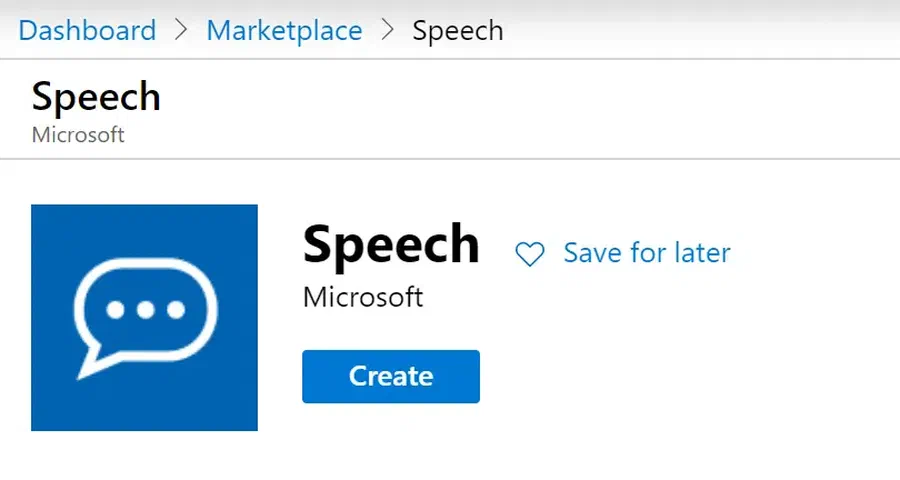
In this post, we take you through how to use Microsoft's Cognitive Services to generate voiceovers for your videos. In practice, this technique for generating speech from text can be used in a wide range tasks but one of the ways we're using it at Nightingale HQ is to support our marketing team.

AI Winters and hype
This is not the first time AI has been all the rage in the business world. In particular, AI was big in the eighties with solutions called expert systems. Will AI be a passing fad now?

How IoT technology can be used to improve UK public transport
- Steph Organ
- Archive
- Feb 25, 2020
- Updated
There is no shortage of possible applications when it comes to Artificial Intelligence (AI) in the public sector, but while the UK government is investing heavily in AI in the private sector, what are they actually doing to implement it themselves? Some fear that governments using AI will result in a dystopian future of constant surveillance, but in reality, public sector applications of AI are far more pragmatic.
Categories
Tags
- Artificial Intelligence
- Automation
- Cloud Technology
- Compliance
- Continuous Improvement
- Cutting Optimisation
- Data Strategy
- Digital Transformation
- Energy Management
- Glossary
- Inventory Management
- Inventory Management for Metals
- Ireland
- Manufacturing
- Metals
- Nightingale HQ and GoSmarter
- Procurement
- Production Planning
- Quality
- Research & Innovation
- Shape Code Technology
- Small & Medium Enterprises
- Steel Industry
- Supply Chain
- Sustainability
- Steel Tariffs
- Traceability
- Trade & International Steel
- Wales