Artificial Intelligence
AI for Metals Manufacturing
AI isn’t one thing. It’s a shorthand for a dozen different technologies: machine learning, computer vision, natural language processing, and optimisation algorithms. Each solves a different class of problem.
For metals manufacturers, the most valuable applications are narrow and practical. AI that reads mill certificates in seconds and extracts every heat number, grade, and mechanical property without anyone typing a thing. AI that calculates optimal cut sequences for bar, rebar, and structural sections, cutting scrap by up to 50%. AI that monitors stock levels in real time and flags reorder points before you run short.
None of this requires a data science team or a rip-and-replace ERP project. The best metals AI sits on top of what you already have: your spreadsheets, your email inbox, your existing ERP. It adds intelligence where it counts. You pilot on one product family. You go live in a day. You scale when it works.
Posts here cover practical implementations for metals manufacturers: certificate automation, cutting optimisation, inventory intelligence, and what to expect when you bring AI into a shop that’s been running on Excel and tribal knowledge.
Start with the problem you want to solve. Let the maths do the rest.

Summer roundup
- Will Harris
- Archive
- Sep 3, 2021
- Updated
After a busy summer we’re taking some time to reflect on everything that’s gone on. From award nominations to webinars and events we’ve compiled a brief list of some of the things we’ve been involved in this summer.
EIT Manufacturing - all you need to know
EIT Manufacturing is a consortium of over 60 leaders in the manufacturing industry from business, education, and research. We’ve just joined the organisation as one of their Scaleups so I’ve put together a quick explanation of who they are and what they do.

Cardiff-based AI startup is the first UK startup to join the largest European manufacturing ecosystem
- Ruth Kearney
- News
- Aug 26, 2021
- Updated
Cardiff, August 23, 2021: Cardiff-based AI startup Nightingale HQ has become the first UK startup to join EIT Manufacturing, the largest European consortium of manufacturers.
What does NatWest's Future Fit report say about digital transformation for manufacturers
The latest Future Fit report focuses on “trailblazers” and what makes them different to other organisations. It covers the importance of innovation and of current developments in the industry such as digital transformation.

Can AI get you sued? How AI impacts IP
- Steph Locke
- Archive
- Aug 12, 2021
- Updated
AI and intellectual property is a minefield. The UK Intellectual Property Office recently completed a public consultation to inform their policy and here I bring you thoughts and highlights.

What Data Integration Maturity Level Are You? - No-Code Serverless or Code-First
- Steph Locke
- Archive
- Aug 10, 2021
- Updated
Data integration capabilities are a key part of your ability to make data-driven decisions. Depending on where your business it at, using no-code tools or code-first tools will be right for you.
Software-as-a-Service to help you digitise
Software as a Service or SaaS, as it’s more commonly known, makes digital easy. Find out how it can help to streamline your processes and run a more efficient business.
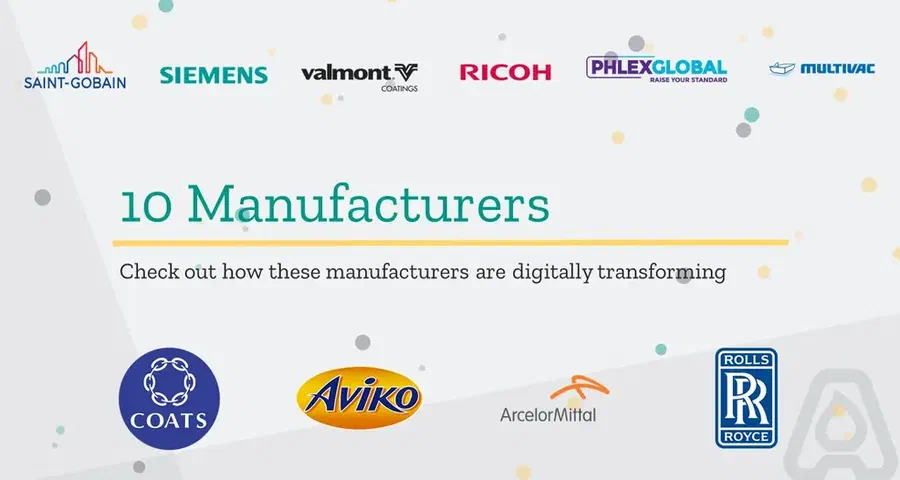
How 10 manufacturers are digitally transforming with Microsoft
- Will Harris
- Archive
- Aug 4, 2021
- Updated
Here at Nightingale HQ, we’re proud to be Microsoft partners. We use their tech to power our data and AI services. To showcase the impact Microsoft services can have, we’ve collected some of our favourite Microsoft manufacturing success stories.
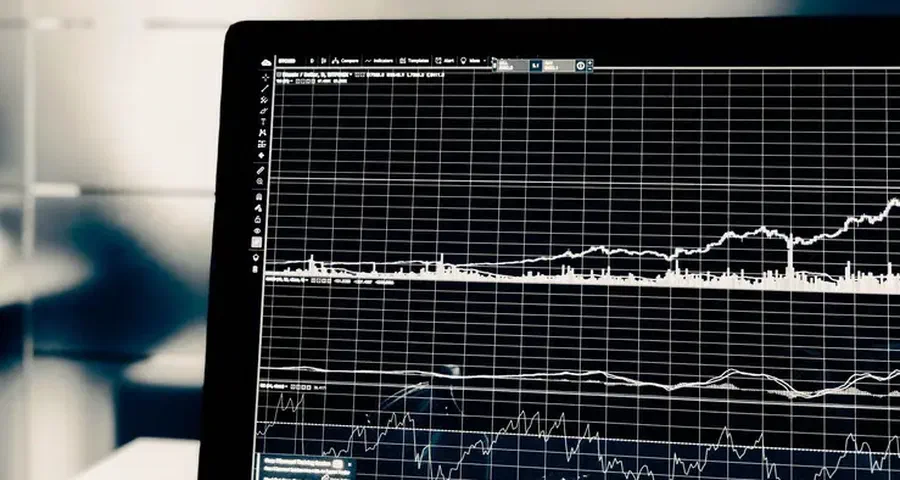
Manufacturers - you need DataOps
DataOps also helps you build a more agile digital supply chain by enabling analytic teams to automate their processes, which in turn reduces cycle time on data analytics. Getting this data infrastructure right is critical for helping Operational Technology (OT) get the most out of real-time data to optimise processes. DataOps is part of your ability to move quickly in the digital space. It should be part of your overall approach to your developer velocity and can help staff to discover the data they need to drive insightful improvements in your organisation.

Europe's '2030 Digital Compass' and manufacturing
- Ruth Kearney
- Archive
- Jul 29, 2021
- Updated
The 2030 Digital Compass aims to digitally transform Europe by the end of the decade. It aims to strengthen digital infrastructure and facilitate digital transformation of businesses and the public sector. At its core will be a framework that allows businesses and services to go digital in keeping with European values.
Categories
Tags
- Artificial Intelligence
- Automation
- Cloud Technology
- Compliance
- Continuous Improvement
- Cutting Optimisation
- Data Strategy
- Digital Transformation
- Energy Management
- Glossary
- Inventory Management
- Inventory Management for Metals
- Ireland
- Manufacturing
- Metals
- Nightingale HQ and GoSmarter
- Procurement
- Production Planning
- Quality
- Research & Innovation
- Shape Code Technology
- Small & Medium Enterprises
- Steel Industry
- Supply Chain
- Sustainability
- Steel Tariffs
- Traceability
- Trade & International Steel
- Wales