Artificial Intelligence
AI for Metals Manufacturing
AI isn’t one thing. It’s a shorthand for a dozen different technologies: machine learning, computer vision, natural language processing, and optimisation algorithms. Each solves a different class of problem.
For metals manufacturers, the most valuable applications are narrow and practical. AI that reads mill certificates in seconds and extracts every heat number, grade, and mechanical property without anyone typing a thing. AI that calculates optimal cut sequences for bar, rebar, and structural sections, cutting scrap by up to 50%. AI that monitors stock levels in real time and flags reorder points before you run short.
None of this requires a data science team or a rip-and-replace ERP project. The best metals AI sits on top of what you already have: your spreadsheets, your email inbox, your existing ERP. It adds intelligence where it counts. You pilot on one product family. You go live in a day. You scale when it works.
Posts here cover practical implementations for metals manufacturers: certificate automation, cutting optimisation, inventory intelligence, and what to expect when you bring AI into a shop that’s been running on Excel and tribal knowledge.
Start with the problem you want to solve. Let the maths do the rest.
Heat vs Lot vs Batch Number: What's the Difference?
- Steph Locke
- Blog
- Nov 6, 2026
A heat number tracks one melt, a lot number a stock group, a batch number a process run. See one heat split into two lots and two furnace loads.
Why an ERP Audit Log Isn't Enough for Metals Traceability
- Steph Locke
- Blog
- Nov 4, 2026
- Updated
An ERP audit log records field edits, not which heat went into which shipment. Use parent-child genealogy, certificate checks and a blind trace to prove it.
Automate Cutting Lists, Nesting and Scheduling Without MES
- Steph Locke
- Blog
- Nov 2, 2026
- Updated
Stop re-keying orders and stock. Automate cutting lists, offcut tracking and nesting hand-offs without a full manufacturing execution system (MES).
GoSmarter AI Co-Founders to Speak at UK Metals Expo 2026
- Ruth Kearney
- News
- Oct 29, 2026
Ruth Kearney and Steph Locke, co-founders of GoSmarter AI, both speak at UK Metals Expo 2026 at the NEC in Birmingham. Find their sessions with Tata Steel, Tata Consultancy Services and Matta.
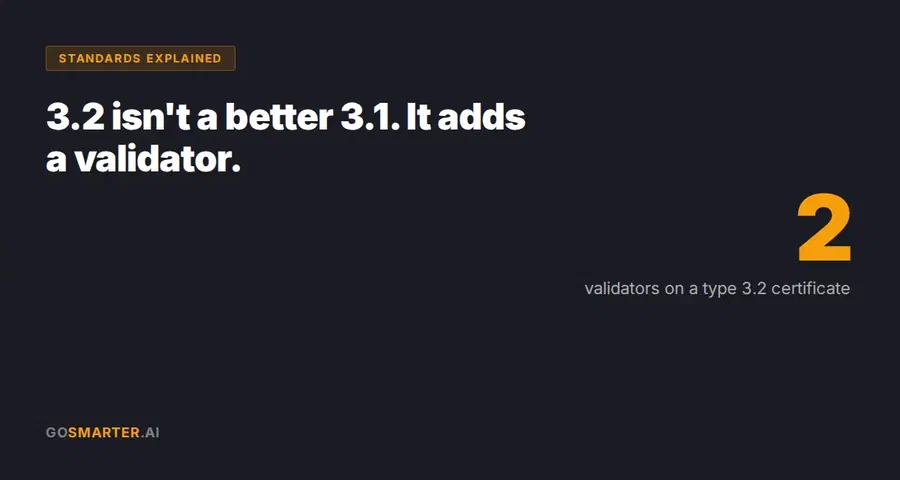
EN 10204 3.1 vs 3.2 Certificates for Fabricators
- Steph Locke
- Blog
- Oct 28, 2026
- Updated
Ordering the wrong EN 10204 type risks rejected stock. See how 3.1 and 3.2 differ, who validates each, and what to check at goods-in.
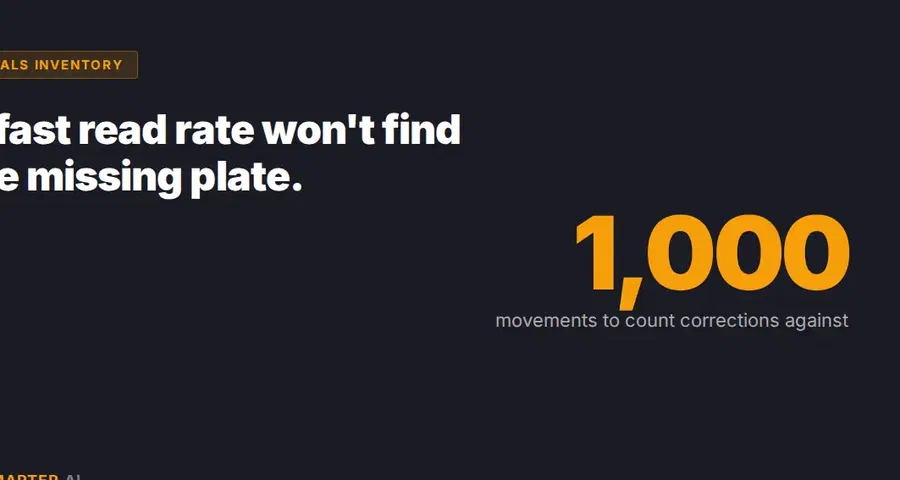
Barcode vs RFID for Metals Inventory: The Real Accuracy Gap
- Steph Locke
- Blog
- Oct 26, 2026
- Updated
Barcode or RFID for metals stock? Judge both by wrong locations, stale weights and corrections per 1,000 movements, then test them on your own floor.
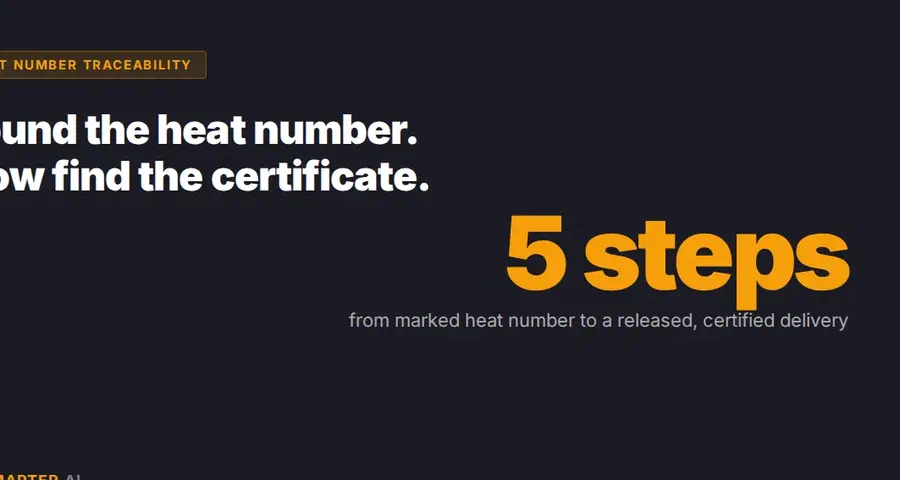
How to Trace a Heat Number Back to Its Mill Certificate
- Steph Locke
- Blog
- Oct 23, 2026
- Updated
Trace a heat number to its mill certificate in five steps. Match the receipt chain, check the certificate and hold stock until quality approves.
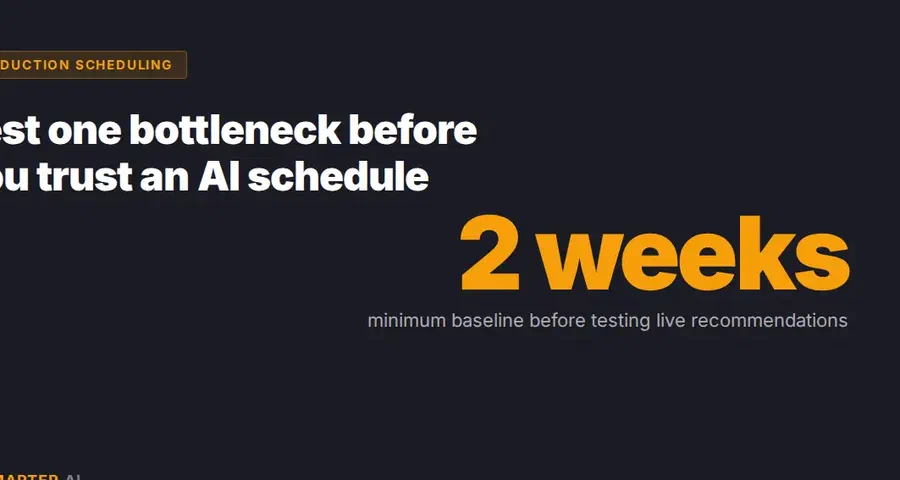
AI Production Scheduling for Metal Fabricators: Where to Start
- Steph Locke
- Blog
- Oct 21, 2026
- Updated
Start AI production scheduling on one bottleneck. Clean the data, record a two-week baseline, test disruptions and decide whether to expand, refine or pause.
How to Read a Mill Test Certificate: A Field Guide for Quality Managers
- Steph Locke
- Blog
- Oct 19, 2026
- Updated
Mismatched mill certificates risk wrong releases. Check traceability, chemistry and mechanical results in order, and hold anything unresolved before release.
Logistics firm liberates staff with data automation
- Ruth Kearney
- Case studies
- Apr 23, 2021
- Updated
After FLS Logistics realised how much time their staff spent on spreadsheets and data, they had to find an alternative. They wanted a data warehouse and our fast-track services were the perfect solution for them so that they could have near real-time visibility without increasing IT headcount. They freed up more than 50% of staff’s time from laborious data entry!
Categories
Tags
- Artificial Intelligence
- Automation
- Cloud Technology
- Compliance
- Continuous Improvement
- Cutting Optimisation
- Data Strategy
- Digital Transformation
- Energy Management
- Glossary
- Inventory Management
- Inventory Management for Metals
- Ireland
- Manufacturing
- Metals
- Nightingale HQ and GoSmarter
- Procurement
- Production Planning
- Quality
- Research & Innovation
- Shape Code Technology
- Small & Medium Enterprises
- Steel Industry
- Supply Chain
- Sustainability
- Steel Tariffs
- Traceability
- Trade & International Steel
- Wales