Artificial Intelligence
AI for Metals Manufacturing
AI isn’t one thing. It’s a shorthand for a dozen different technologies: machine learning, computer vision, natural language processing, and optimisation algorithms. Each solves a different class of problem.
For metals manufacturers, the most valuable applications are narrow and practical. AI that reads mill certificates in seconds and extracts every heat number, grade, and mechanical property without anyone typing a thing. AI that calculates optimal cut sequences for bar, rebar, and structural sections, cutting scrap by up to 50%. AI that monitors stock levels in real time and flags reorder points before you run short.
None of this requires a data science team or a rip-and-replace ERP project. The best metals AI sits on top of what you already have: your spreadsheets, your email inbox, your existing ERP. It adds intelligence where it counts. You pilot on one product family. You go live in a day. You scale when it works.
Posts here cover practical implementations for metals manufacturers: certificate automation, cutting optimisation, inventory intelligence, and what to expect when you bring AI into a shop that’s been running on Excel and tribal knowledge.
Start with the problem you want to solve. Let the maths do the rest.
Wales tech scale-up collaborate with steel manufacturers to make production greener
- Ruth Kearney
- News
- Feb 25, 2024
- Updated
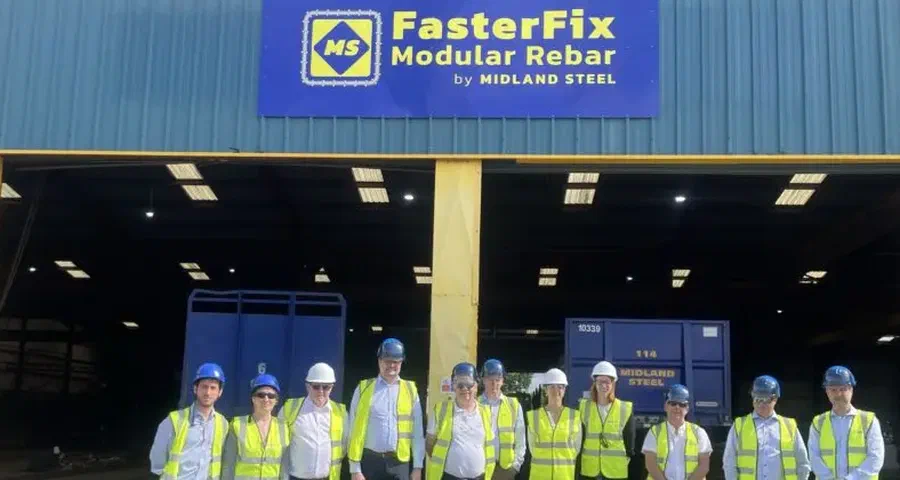
Wales and Ireland-based technology business, Nightingale HQ (NHQ) has supported a major UK & EU consortium as it looks to make reinforcement steel manufacturing greener. The collaboration includes steel manufacturers Midland Steel and Bastal AS, Kuka Robotics, civil engineers OCSC and research partners VTT. The project is funded by EIT Manufacturing and Innovate UK.

South West Manufacturing Digitalisation Series
South West Manufacturing Digitalisation Series from RDI Hub in the South West of Ireland.
NHQ joins consortium to make steel industry greener
- grace
- News
- Jul 16, 2023
- Updated
Technology business Nightingale HQ have won funding with a European consortium to make steel manufacturing greener.

It's competition time with EIT BoostUp - Irish Edition
- Ruth Kearney
- News
- Jun 19, 2023
- Updated
This week the NHQ team head to the IMR to attend EIT Manufacturing BoostUp competition.

NHQ embracing manufacturing conferences this summer!
- Ruth Kearney
- News
- May 24, 2023
- Updated
Attending conferences has its opportunity-cost, but I usually find them productive and worthwhile. I’m no stranger to the National Manufacturing & Supply Chain Conference held in the RDS every year and find that there is a good networking opportunity with strong representation of both manufacturers and vendors from all over the world.
Umbraco London, Global Azure Day and Microsoft Reactor
- Richard Jackson
- News
- May 19, 2023
- Updated
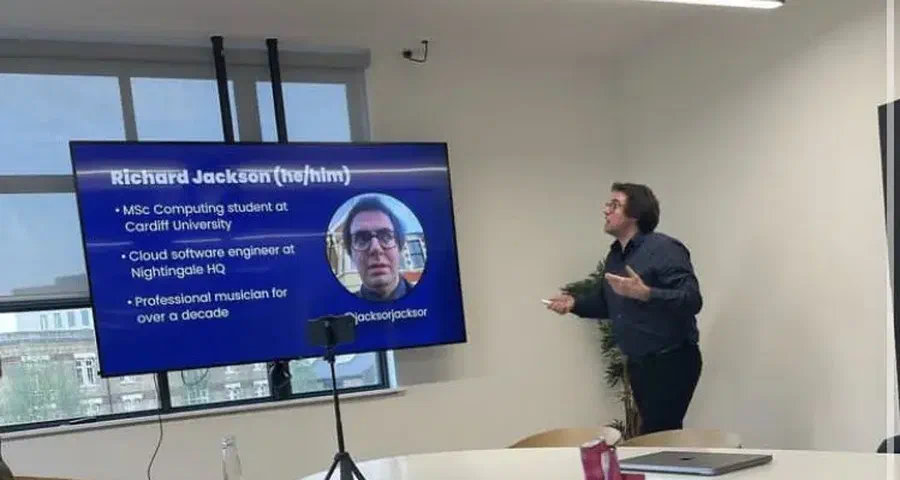
This week, Richard Jackson (Cloud Software Engineer) visited London for two sessions at Microsoft Reactor, and to present a talk at Umbraco London.
NHQ at DDD South West 2023
- Richard Jackson
- News
- May 2, 2023
- Updated
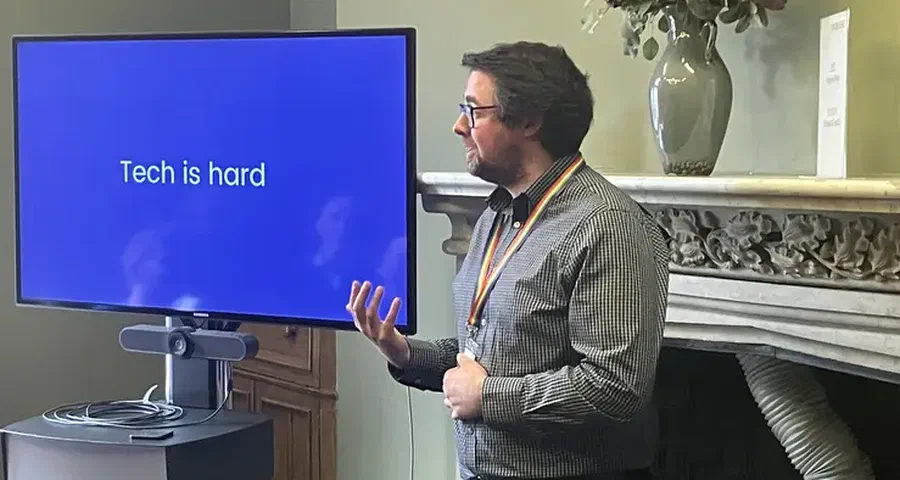
Richard Jackson, Cloud Software Engineer here at Nightingale HQ (NHQ), gave his first ever conference talk at DDD South West 2023. “.NET, Azure & Umbraco: The First Twelve Months” saw Rich reflect on his past year working in the Microsoft tech stack, informed largely through his experiences at NHQ.

SQLBits 2023
- Richard Jackson
- Archive
- Mar 21, 2023
- Updated
SQLBits is the largest community-led SQL Server and Microsoft Data Platform conference in Europe.
Manufacturing excellence with Astellas Ireland
Learning from manufacturing best practice with Astellas Ireland.
Going International
- Samantha Dart MSc
- News
- Jan 26, 2023
- Updated
Nightingale HQ’s Richard Jackson attended a round table discussion regarding international trade with Wales Business Insider.
Categories
Tags
- Artificial Intelligence
- Automation
- Cloud Technology
- Compliance
- Continuous Improvement
- Cutting Optimisation
- Data Strategy
- Digital Transformation
- Energy Management
- Glossary
- Inventory Management
- Inventory Management for Metals
- Ireland
- Manufacturing
- Metals
- Nightingale HQ and GoSmarter
- Procurement
- Production Planning
- Quality
- Research & Innovation
- Shape Code Technology
- Small & Medium Enterprises
- Steel Industry
- Supply Chain
- Sustainability
- Steel Tariffs
- Traceability
- Trade & International Steel
- Wales