Artificial Intelligence
AI for Metals Manufacturing
AI isn’t one thing. It’s a shorthand for a dozen different technologies: machine learning, computer vision, natural language processing, and optimisation algorithms. Each solves a different class of problem.
For metals manufacturers, the most valuable applications are narrow and practical. AI that reads mill certificates in seconds and extracts every heat number, grade, and mechanical property without anyone typing a thing. AI that calculates optimal cut sequences for bar, rebar, and structural sections, cutting scrap by up to 50%. AI that monitors stock levels in real time and flags reorder points before you run short.
None of this requires a data science team or a rip-and-replace ERP project. The best metals AI sits on top of what you already have: your spreadsheets, your email inbox, your existing ERP. It adds intelligence where it counts. You pilot on one product family. You go live in a day. You scale when it works.
Posts here cover practical implementations for metals manufacturers: certificate automation, cutting optimisation, inventory intelligence, and what to expect when you bring AI into a shop that’s been running on Excel and tribal knowledge.
Start with the problem you want to solve. Let the maths do the rest.
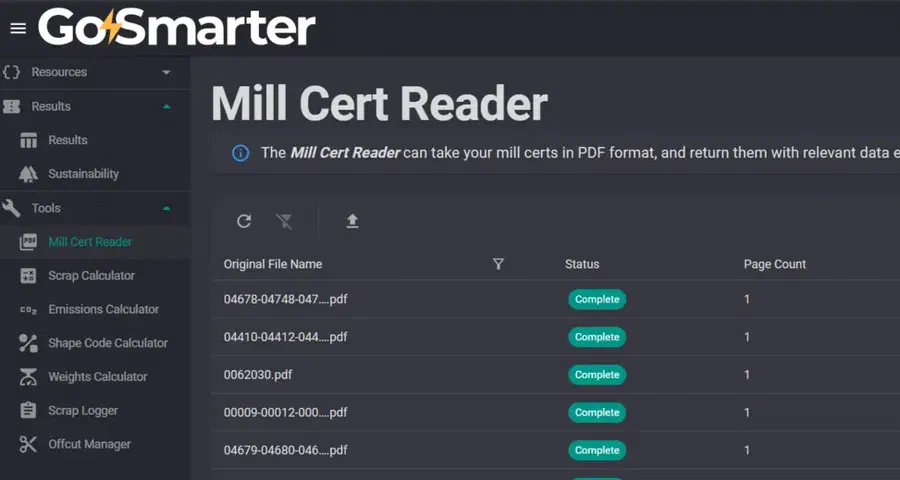
MillCert Reader Saves 10 Hours Monthly for Production Teams
- Ruth Kearney
- News
- Jul 19, 2025
- Updated
MillCert Reader is helping steel production teams save hours by automatically extracting key data from mill certificates and renaming documents in seconds
GoSmarter.ai offers free tools to minimise waste for the steel sector
- Ruth Kearney
- News
- Jul 19, 2025
- Updated
Cardiff-based Nightingale HQ has launched a free suite of digital tools to help steel manufacturers boost efficiency, cut waste, and lower carbon emissions - GoSmarter.ai
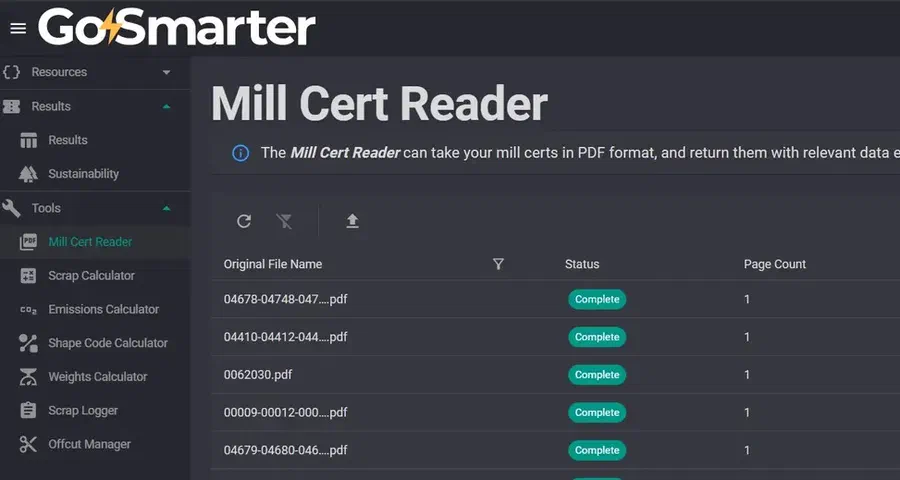
Steel MillCert Reader launched
- Ruth Kearney
- News
- Jun 19, 2025
- Updated
We’re excited to share that MillCert Reader is now live on GoSmarter.ai and it’s already making life easier for production teams.
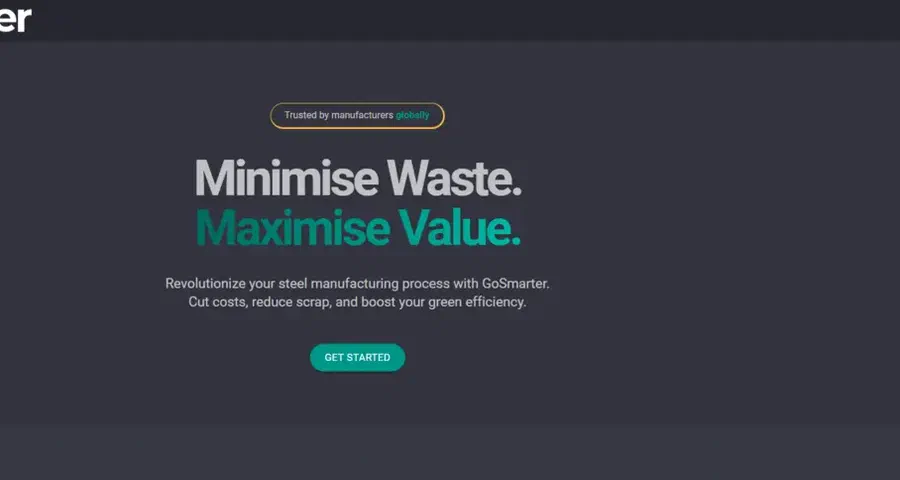
Nightingale HQ delivers on scrap cutting trials with steel manufacturer
- Ruth Kearney
- News
- Dec 20, 2024
- Updated
{Cardiff, December 2024} – As the steel industry continues to account for nearly one-third of global industrial CO₂ emissions, the imperative for innovative, sustainable production methods has never been greater. Nightingale HQ, a pioneering force in industrial AI, has developed GoSmarter: a cutting-edge, AI-powered toolkit that enables steel manufacturers to dramatically reduce material waste and carbon emissions.
CEO speaks at European Manufacturing Conference
- grace
- News
- Sep 20, 2024
- Updated
CEO Ruth Kearney will speak at the 2024 European Manufacturing Conference to be held in Brussels this month.
STRADA Project Empowers Women in Manufacturing with Leadership Programme
- grace
- News
- Sep 16, 2024
- Updated
Co-funded by EIT Manufacturing, Strada provides leadership tools to women in manufacturing to tackle the gender gap in the industry. Nightingale HQ is a core partner and also leads the Leading Digitalisation masterclass.
Northern Ireland Manufacturing & Supply Chain Conference highlights
It was great to contribute to the Northern Ireland Manufacturing & Supply Chain Conference & Exhibition Titanic Exhibition Centre last week. I was there to talk about our approach to greener software, to promote Strada and to network with the wider manufacturing community.
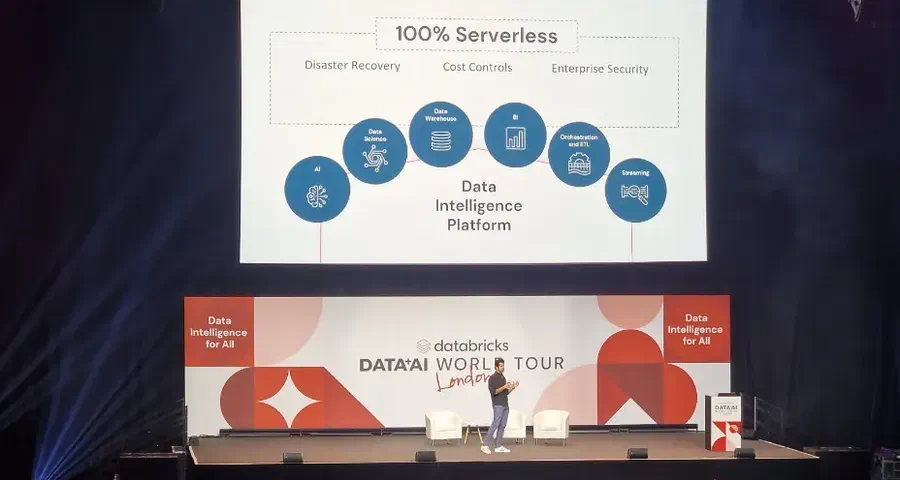
NHQ attend Databricks's Data + AI World Tour
We were invited to attend Databricks’s “Data + AI World Tour” event, held at the ExCel in London, UK, on 11th Sept 2024. The data platform Databricks has been an increasingly valuable tool for Nightingale HQ’s software development.
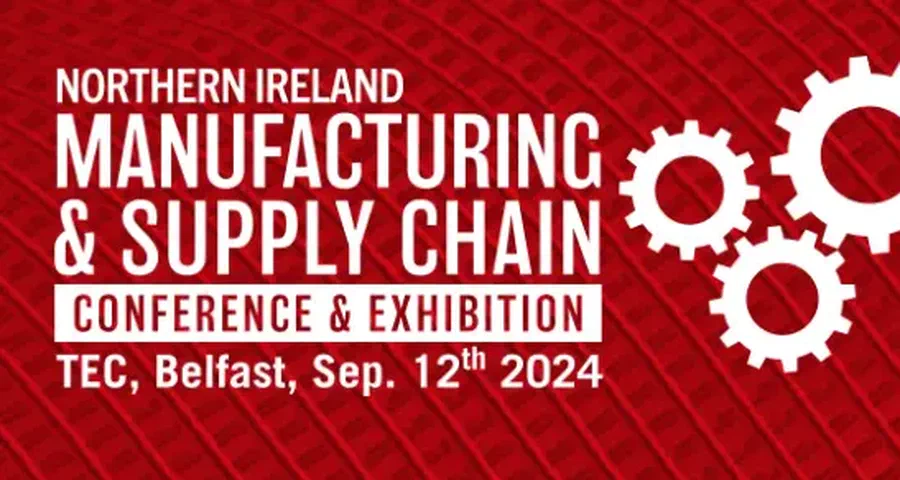
NHQ to speak at Northern Ireland Manufacturing Conference
- grace
- News
- Sep 10, 2024
- Updated
Our CEO Ruth Kearney will give several talks at this year’s Northern Ireland Manufacturing & Supply Chain Conference & Exhibition happening in Titanic Exhibition Centre, Belfast on 12 September.
Whitepaper on Sustainable Serverless Computing for Manufacturers
- Chris Wilson
- News
- Feb 26, 2024
- Updated
Nightingale HQ has released a technology whitepaper that investigates the landscape of sustainable serverless computing for manufacturers. Titled ‘Serverless Cloud Architectures for Sustainable Manufacturing Compute" the paper provides a detailed blueprint for leveraging serverless computing to drive environmental sustainability in manufacturing processes.
Categories
Tags
- Artificial Intelligence
- Automation
- Cloud Technology
- Compliance
- Continuous Improvement
- Cutting Optimisation
- Data Strategy
- Digital Transformation
- Energy Management
- Glossary
- Inventory Management
- Inventory Management for Metals
- Ireland
- Manufacturing
- Metals
- Nightingale HQ and GoSmarter
- Procurement
- Production Planning
- Quality
- Research & Innovation
- Shape Code Technology
- Small & Medium Enterprises
- Steel Industry
- Supply Chain
- Sustainability
- Steel Tariffs
- Traceability
- Trade & International Steel
- Wales