Kill the Busy Work: Why Automation Matters
- Steph Locke
- Blog
- February 3, 2026
- Updated:
Table of contents Show Hide
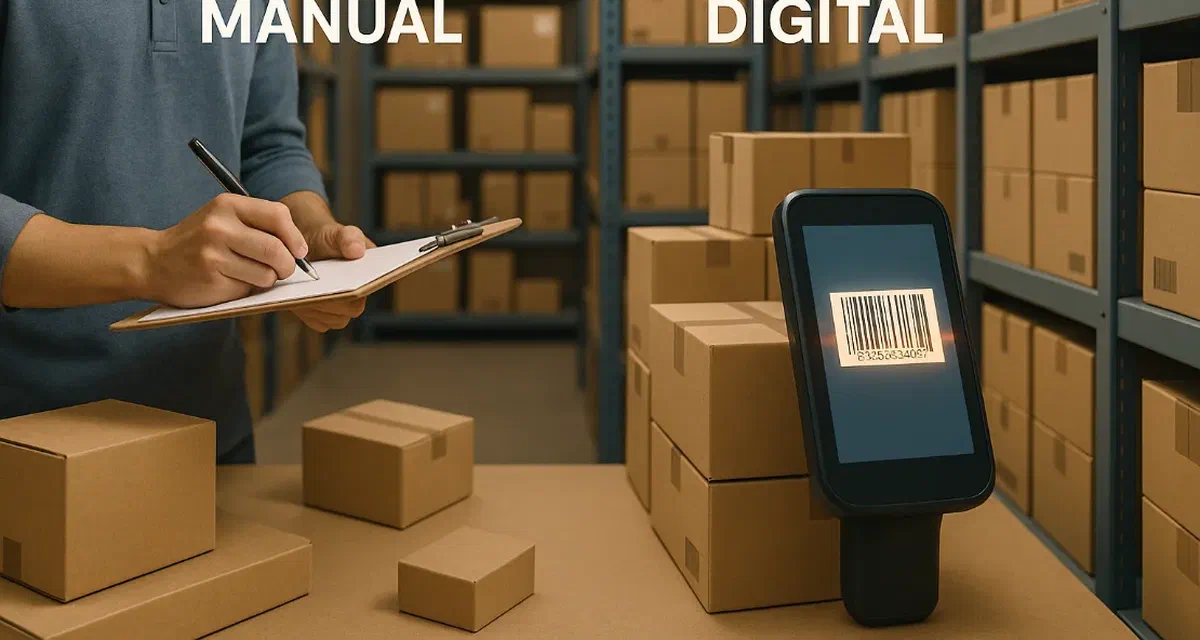
Data entry is for robots, not engineers. If you’re still typing numbers into a spreadsheet, you’re doing it wrong. Automation isn’t about firing people; it’s about stopping the drudgery so you can actually do your job.
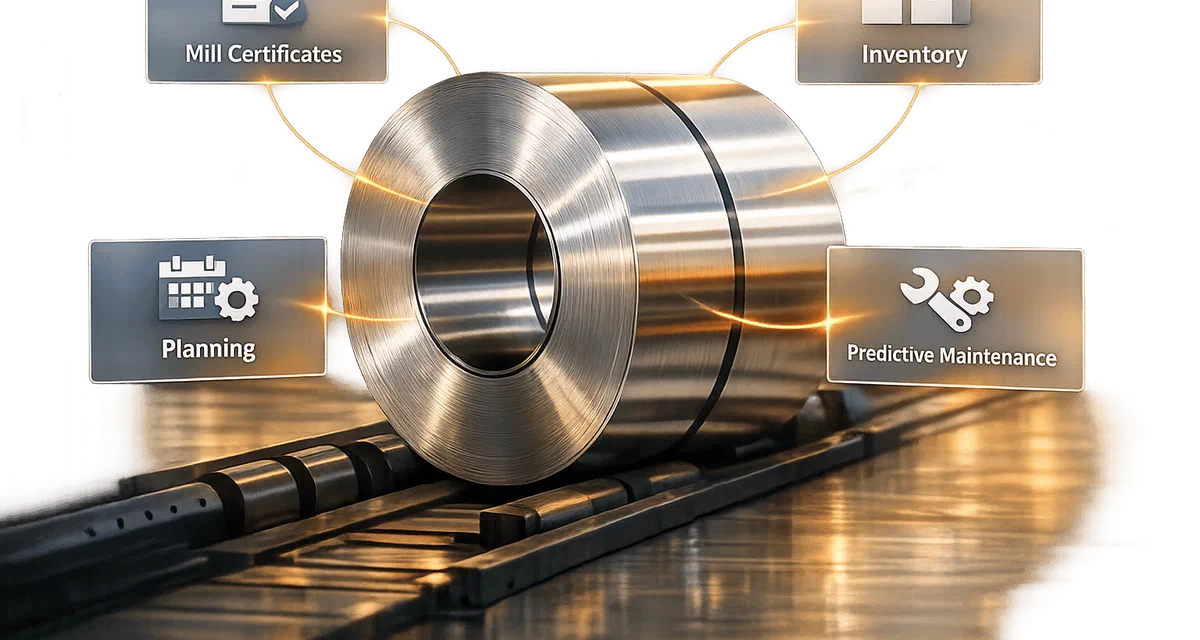
We’re talking about eliminating manual tasks like paperwork, data entry, and compliance filing. This shift reduces errors, improves efficiency, and saves time across production stages. For instance, automating mill certificate processing can save over 120 hours annually, while AI-driven production planning slashes scrap rates by 50%. Predictive maintenance prevents equipment failures, cutting downtime by 5–15%.
Key benefits include:
- Lower operating costs: Automation can improve EBITDA margins by 6–8 percentage points.
- Improved quality control: Automated inspections achieve 99.86% accuracy, far surpassing manual checks.
- Simplified compliance: Digital audit trails ensure traceability and reduce manual filing errors.
Platforms like GoSmarter integrate mill certificate management, inventory tracking, and production planning, helping manufacturers streamline operations and focus on strategic goals.
Benefits of Workflow Automation for Metals Manufacturers
Improved Operational Efficiency
Automation takes over time-consuming tasks like data entry, document renaming, and inspections, allowing staff to focus on solving more complex challenges. Take Midland Steel, for instance - a rebar manufacturer that adopted the MillCert Reader on the GoSmarter platform in June 2025. Their production manager reported saving 10 hours each month by automating the extraction of chemical and mechanical properties from mill certificates and renaming files automatically [6].
Predictive maintenance, driven by IoT sensors and AI, adds another layer of efficiency by identifying potential equipment issues 7 to 14 days ahead of failure. This proactive approach can cut facility downtime by 5–15% and improve labour productivity by 5–20%. In cold-rolling mills, digital tools have been shown to increase rolling speeds by up to 45% while slashing unplanned downtime by as much as 25% [4]. Meanwhile, computer vision systems for real-time quality control can identify defects at production speeds far beyond human capabilities, achieving an impressive 99.86% accuracy compared to around 80% for manual inspections.
These advancements translate into tangible cost savings and streamlined operations.
Lower Operating Costs
The financial benefits of automation are hard to ignore. A full digital transformation can boost EBITDA margins by 6 to 8 percentage points [1], while applying AI in steelmaking can cut overall costs by 10–15%. These savings come from standardising processes, reducing labour-intensive tasks, and better resource management [5][2].
For example, AI-driven production planning can reduce yield loss by 20–40%, further improving EBITDA margins by 6–8 percentage points. Automated stirring control during refining enhances quality indicators by over 75% [4], cutting down on scrap rates and rework expenses that often erode profits.
Better Compliance and Quality Control
Automation removes the inconsistencies caused by human error. Machines follow precise instructions, ensuring strict adherence to tolerances. Advanced sensors powered by AI - using X-ray, thermal, and ultrasonic technologies - can detect internal and surface defects like porosity or cracks that would go unnoticed by the human eye.
Digital systems also simplify compliance by creating automated audit trails. These systems link material data, heat codes, and inspection results directly to specific production batches, providing seamless traceability from supplier to customer without the hassle of manual filing. Real-time monitoring of parameters like temperature and pressure ensures processes stay within tolerance limits, with automated adjustments or alerts when needed. For tasks requiring strict compliance, digital solutions eliminate the manual errors often found in paper-based systems, ensuring higher reliability and efficiency.
Which Processes to Automate in Metals Manufacturing
Not every workflow slows you down or risks errors, but some are clear culprits. Targeting these areas can quickly improve efficiency, reduce risks, and deliver measurable savings. Here’s a look at the processes that benefit the most from automation.
Mill Certificate Processing
Mill certificates are critical for traceability, but managing them manually is a time sink. Automation steps in by digitising these certificates, pulling out key data like chemical compositions and mechanical properties without human input. This means every material batch gets linked directly to its heat code, cutting down on compliance headaches and saving over 120 hours annually.
Take GoSmarter’s MillCert Reader, for instance. It extracts key information and renames documents in just seconds - turning a task that used to take hours each week into something almost effortless.
Beyond certificates, another area ripe for automation is inventory management, which can have a big impact on reducing errors and improving efficiency.
Inventory Management
Using spreadsheets and manual counts for inventory? That’s a recipe for mistakes. Automated systems track everything - raw materials, finished goods, and even scrap - in real time. Plus, predictive analytics help fine-tune reorder points, avoiding stockouts or overstocking. For metals manufacturers, this means materials are always available when needed, while storage costs and waste are kept in check.
The numbers speak for themselves: AI-driven inventory management can trim carrying costs by up to 25%, freeing up capital that would otherwise be tied up in excess stock. It’s a win-win for efficiency and your bottom line.
Production Planning and Order Tracking
Manual scheduling can feel like educated guesswork, often leading to inefficient cutting plans or missed delivery deadlines. Automated tools solve this by analysing open orders and matching them with available stock, creating optimised cutting plans for products like rebar. They also track orders from raw material to final dispatch, eliminating the chaos of manual tracking.
For example, Midland Steel partnered with GoSmarter to introduce AI-powered production planning for cutting long products. The result? A 50% reduction in scrap rates. By eliminating the need for time-consuming manual scheduling, their team could shift focus to quality control and customer service. For metals manufacturers, this kind of automation means fewer errors, better resource use, and improved order fulfilment.
How to Implement Workflow Automation: A Step-by-Step Guide
Implementing workflow automation doesn’t have to be intimidating. By breaking it into clear steps, you can keep things manageable and achieve meaningful results without disrupting daily operations.
Review Your Current Workflows
Start by mapping out how documents and information flow through your organisation. Pinpoint bottlenecks, manual interventions, and repetitive tasks - these are often the root causes of delays and errors [9]. Take a close look at processes still reliant on physical paperwork, shared folders, or email chains to trigger actions [9]. For example, metal producers who fully embrace digital workflows have reported EBITDA margin increases of 6–8 percentage points [1]. Define measurable goals, like cutting mill certificate processing time by 20% or reducing inventory errors by 15%. Involve your team early on to uncover challenges they face daily [2]. With a solid understanding of your current processes, you’ll be ready to choose an automation platform that aligns with your needs.
Select an Automation Platform
The right automation platform should fit into your existing systems without requiring a complete overhaul. Focus on API-first platforms that provide robust connections (via REST, MQTT, or AMQP) or offer pre-built connectors for widely used industrial systems [10]. This is especially important when working with a mix of legacy ERP systems and newer software. For instance, GoSmarter is tailored for metals manufacturers, integrating mill certificate processing, inventory management, and production planning into one cohesive system. Make sure the platform can handle unstructured data - like mill certificates and emails - using AI-driven reasoning instead of rigid rule-based logic [3].
Digitise Documents and Processes
Automation relies on accessible data, so digitising key documents is crucial. Convert mill certificates, inspection reports, and inventory records into digital formats, and integrate tools for automated tracking and planning. Prioritise high-impact areas where delays often occur. Before migrating data, clean up your legacy systems to avoid carrying over old errors into your new workflows [10].
Connect Automation with Existing Systems
Integration is often one of the trickiest parts of automation. To tackle this, take a phased approach. Start with pilot programmes and use middleware to bridge the gap between older systems and modern platforms [10]. Standardise data structures across all systems, ensuring consistency in how inventory counts, production data, and order details are interpreted. Successful integration often requires collaboration across departments - bringing together P&L owners, operations experts, and engineering teams ensures alignment on budget, practicality, and technical needs [11]. Once systems are connected, provide thorough training for your team to maximise these improvements.
Train Staff and Track Results
Even the best automation system won’t succeed without proper user adoption. Focus on creating intuitive interfaces that make it easy for employees to learn and use the system [12]. Replace paper-based workflows with digital instructions that guide users step by step, minimising manual errors [13].
“The interface should be intuitive, allowing new employees to quickly understand its functions during initial training.” – Fred Cooke, System Sales Manager, Prima Power [12]
Set up real-time dashboards to monitor efficiency, machine performance, and order statuses [18, 19]. Use automated alerts and time-tracking tools to identify where operators might need additional training, helping to reduce errors and speed up decision-making [14]. A skills matrix can also help track employee competencies and ensure only trained staff access critical control systems, improving both safety and compliance [13]. This approach equips your team to make the most of automation.
How GoSmarter Automates Metals Manufacturing Workflows
GoSmarter is reshaping metals manufacturing by introducing automation where it matters most. Designed specifically for metals manufacturers, this AI-powered platform takes the hassle out of manual paperwork and spreadsheets. It simplifies everything from mill certificate processing to production planning, streamlining compliance, inventory management, and overall operations. Instead of wading through stacks of paper, manufacturers get instant access to searchable quality data and automated tracking across their entire workflow. Here’s a closer look at how GoSmarter consolidates and improves these processes.
The platform is ready to use straight out of the box, with no complicated setup required. Its transparent pricing model allows manufacturers to start for free and pay only as they grow. For example, when Midland Steel partnered with GoSmarter, the results spoke volumes: AI-driven production planning cut scrap rates by 50% and saved production managers over 120 hours each year by automating mill certificate processing [8].
“The integration of AI and digital tracking has significantly improved our operational efficiency and sustainability performance.” – Tony Woods, CEO, Midland Steel [7]
Automated Mill Certificate Processing
GoSmarter’s AI takes the headache out of mill and materials certificate management. The system digitises and organises these certificates, eliminating the need for manual data entry. Paper records are transformed into streamlined workflows, making compliance data instantly accessible. A dedicated “Compliant Metals” section keeps quality certificates neatly stored and ensures traceability without the need for extensive training or bulky manuals.
This feature doesn’t stop at organisation. Mill certificate processing is seamlessly integrated with inventory and order management, linking every product in stock to its relevant quality documentation. With powerful search and filter tools in the Mill Certificates module, users can quickly find the specific records they need.
Inventory and Scrap Management
GoSmarter centralises inventory tracking, covering steel bars, plates, and more. The platform allows users to define materials, material grades, and stock locations across multiple warehouses. Bulk inventory management is straightforward, with options to draw down stock as it’s used or upload existing inventory data via spreadsheets for immediate integration.
What sets GoSmarter apart is its ability to link inventory data with mill certificates, ensuring traceability and compliance at every step. Additionally, the built-in Scrap Calculator helps manufacturers estimate waste percentages and track the financial impact of scrap. This standardised approach to measuring production efficiency feeds naturally into more advanced planning tools.
Production Planning Features
With the “Cut Long Products” tool, GoSmarter uses AI to optimise material usage while keeping an eye on environmental impact. Managers can upload inventory and orders spreadsheets to generate cutting plans, which can then be quickly refined. The platform also includes an Emissions Calculator for monitoring carbon footprint alongside production metrics.
“We help you shortcut the start of your day by building you a plan for cutting long products… turning it from a time-intensive exercise into a quick review.” – GoSmarter [8]
Wrapping Up
This guide has outlined how automating key processes can reshape manufacturing operations. For metals manufacturers, workflow automation has shifted from being optional to essential. Automating repetitive tasks like mill certificate processing or inventory tracking not only cuts downtime but also trims operating costs and simplifies compliance, making audits far less painful.
Industry data consistently shows that focused digital investments lead to major efficiency improvements. Start by targeting areas with the highest impact - think predictive maintenance for critical equipment or streamlining compliance documentation. Before diving into advanced analytics, ensure your existing SCADA and PLC systems are set up to provide accessible data. Bringing your team on board early is equally important, as automation reduces tedious tasks and allows skilled workers to focus on more meaningful roles.
Platforms such as GoSmarter make these benefits tangible with user-friendly, scalable solutions. With transparent, usage-based pricing, GoSmarter lets you start small - completely free - and only pay for what you use. This approach makes it easier to prove ROI without needing a hefty upfront investment, while also allowing the system to grow alongside your operations.
Shifting from manual, paper-heavy systems to intelligent workflows isn’t just about working faster - it’s about building resilience and hitting sustainability goals. Metals manufacturers that embrace intelligent workflow automation today position themselves for a stronger, more competitive future.
FAQs
How can workflow automation help reduce errors in metals manufacturing?
Workflow automation reduces errors in metals manufacturing by boosting accuracy and consistency throughout processes. By cutting down on manual input, it eliminates frequent issues like miscalculations, incorrect measurements, or data entry slip-ups. The result? Fewer defects and less need for rework.
These systems also step up quality control by using AI to spot defects with greater precision than manual inspections. On top of that, they support real-time monitoring and predictive maintenance, allowing manufacturers to identify and tackle potential problems before they cause disruptions. This forward-thinking approach ensures smoother operations, higher dependability, and improved product quality.
What tasks can be automated to boost efficiency in metals manufacturing?
Automation in metals manufacturing can transform efficiency by taking over repetitive, time-draining tasks. For example, processing mill certificates becomes much faster, cutting down on paperwork and making compliance checks almost effortless. Similarly, inventory management benefits from AI-powered systems that help balance stock levels, reduce waste, and predict demand more accurately.
Other areas also see big gains. In quality control, AI can spot defects with incredible precision, reducing scrap and the need for rework. For compliance documentation, automation ensures regulations are met with less manual effort. The result? Teams save time, reduce costs, and can shift their focus to making meaningful improvements in their processes.
How does predictive maintenance help minimise downtime in metals manufacturing?
Predictive maintenance is transforming metals manufacturing by reducing downtime through real-time equipment monitoring powered by AI. Instead of reacting to breakdowns, manufacturers can now spot potential problems early and plan maintenance ahead of time, avoiding unexpected stops in production.
Using sensor data to track wear and detect malfunctions, this approach enables timely repairs that keep operations flowing smoothly. The benefits go beyond just fewer disruptions - machinery lasts longer, maintenance costs drop, and production becomes more efficient. With AI driving these processes, manufacturers also see improved safety and a more organised workflow, making predictive maintenance a cornerstone of today’s metals manufacturing strategies.
Go deeper
- No-Code Workflows for Metals SMEs — automating cert, inventory, and planning workflows without coding
- Spreadsheet-to-System Planning for Metals — replacing the Excel planning circus with a live, connected system