UK negotiates EU agreements to counter steel tariffs and EV regulations
- BlogSmarter AI
- Edited by Ruth Kearney
- Blog
- April 19, 2026
- Updated:
Table of Contents Show Hide
British steel and electric vehicles (EVs) are caught in a tariff squeeze. The UK government is pushing to strike deals with the European Union (EU) on both fronts. New steel import restrictions kick in this July. Stricter EV trade rules follow in 2027. Securing favourable terms has never been more urgent.
The clock is ticking on both fronts
The pressure is coming from two directions at once.
The EU approved new steel import restrictions. Cheap Chinese steel had flooded the market and crushed prices globally. The UK wasn’t the intended target. Its steel industry doesn’t care about intent. Those tariffs land on 1 July either way.
EV trade rules are changing too. From 2027, an EV must source at least 40% of its value from UK or EU-produced parts. Only then does it qualify for zero tariffs under the existing trade deal. That threshold rises again later in the same year. Battery production capacity is nowhere near enough to meet the requirement on either side of the Channel.
Nick Thomas-Symonds, the UK Cabinet Office minister, spelled it out plainly on a recent visit to Brussels. “Steel and EVs have to be a matter of discussion this year because of the context”, he said. He added that these issues would demand attention even without the broader push to reset UK-EU economic relations. “Even if there was no wider reset discussion going on, steel at this moment would be something as a matter of discussion. There is a similar situation on rules of origin in the automotive sector”, he noted.
For UK steelmakers and car manufacturers, the urgency is not political. It’s practical.
UK tightens its steel defences
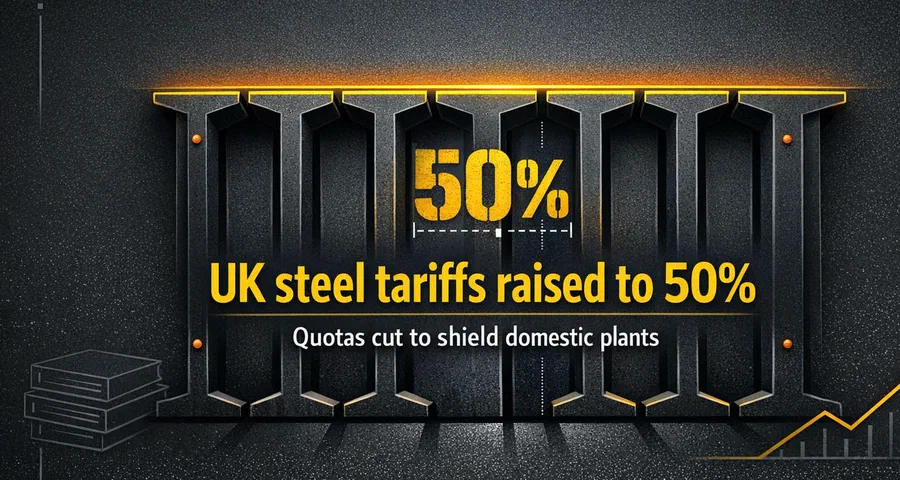
The UK isn’t waiting around. The government moved this month. New measures slash tariff-free steel import quotas by 60%. Anything above the new limits gets hit with a 50% tariff, starting 1 July. For manufacturers who rely on imported steel to hold down input costs, that’s a meaningful squeeze.
The government still wants a negotiated deal with the EU to soften the impact. The EU has signalled it’s at least willing to talk. If that deal doesn’t come together in time, the tariffs land regardless.
On EVs, a 2023 agreement bought both sides a three-year delay on the tougher local-content requirements. That breathing room expires on 31 December 2026. EV batteries can account for up to 50% of a vehicle’s total value. Hitting a 40% local-content threshold is hard when your most expensive component is sourced globally. It’s a structural problem, not a paperwork one.
A European Commission spokesperson confirmed the current rules still expire at end of 2026. They noted that “further discussions on these and related topics can take place within the framework of ongoing EU-UK negotiations.” Diplomatic language for: we’ll talk, but no promises yet.
Progress: possible, but don’t hold your breath
Some progress has been acknowledged. The obstacles are still real.
Maroš Šefčovič, the EU commissioner responsible for UK relations, has called a steel agreement feasible. He’s also been clear that the EU is putting United States steel talks first. Putting Washington first makes political sense for the EU. For British steel producers watching the July clock, it makes the next few months very uncomfortable.
No deal with the UK is expected before the July tariffs land. For UK manufacturers watching the calendar, that order of priorities is cold comfort.
Industry leaders are out of patience. Mike Hawes is chief executive of the Society of Motor Manufacturers and Traders. He warned that the looming EV rule changes put €80 billion in annual automotive trade between the UK and EU at risk. “Both sides must seek a solution that avoids the imposition of self-defeating tariffs – which means additional cost – on the very vehicles government and industry want consumers to buy”, he said.
How the UK is playing this
The government calls its approach “ruthlessly pragmatic.” Those are Thomas-Symonds’s words, not ours.
Which sectors are on the alignment table hasn’t been disclosed. What is clear: nobody wants a repeat of the Chequers disaster. The EU dismissed those Brexit proposals before they were even published.
European Parliament president Roberta Metsola is pushing for a fresh model for UK-EU engagement. “We need to be talking about a uniquely ‘British’ model”, she said, adding that the UK is “not any other third country” but a former member deserving of a special relationship.
A summer summit is coming. The July tariff deadline arrives before it does.
If no steel deal materialises by then, UK manufacturers face a hard choice. Absorb higher input costs, pass them on to customers, or scramble for alternative sourcing fast. None of those options is painless. €80 billion in automotive trade and the margins of UK steelmakers sit in the balance. Both sides know what a deal is worth. The question is whether they can move fast enough to make one.
About the Author

Editor· Co-Founder & CEO
Ruth Kearney is Co-Founder and CEO of GoSmarter AI — driving commercial growth and strategic partnerships to help metals manufacturers adopt AI and digital tools that actually deliver on the shop floor.