Smart Cuts, Less Scrap: A 1D Cutting Stock Problem
- Ruth Kearney
- Blog , Case studies
- August 21, 2025
- Updated:
Table of Contents Show Hide
In the high-stakes world of rebar manufacturing, scrap is more than a technical nuisance, it’s a direct threat to both profitability and sustainability. Every percentage point of waste translates into lost revenue and wasted raw materials. For manufacturers operating in volatile markets, the need for leaner, more efficient production has never been greater.
One of the most effective ways to address this challenge is through the application of mathematical optimisation specifically, the 1D Cutting Stock Problem. This classic technique focuses on how to cut raw materials, typically long, uniform stock lengths, into smaller pieces to meet specific demands while minimising waste. Imagine you have a stock of 10-metre steel bars and a list of required lengths for a construction project. The goal is to figure out the most efficient way to cut those bars so that all required lengths are fulfilled and the amount of leftover material (scrap) is minimised.
Why It Matters?
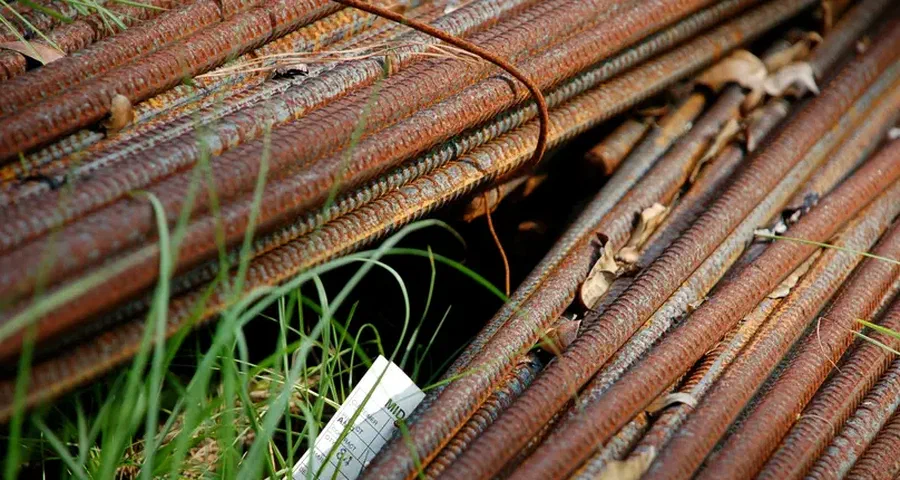
In rebar production, manufacturers typically work with standard-length bars that must be cut to various sizes. Without intelligent planning, this process generates unnecessary waste, eroding profit margins and creating a significant environmental burden. With global demand for rebar forecast to reach 405 million tonnes this year at a market valued at $321 billion and cutting waste is not insignificant. It estimated that rebar wasting accounts for 3–5% of total production, which makes is a 20 million tonnes of wasted steel problem with up to 28.3 million tonnes of CO₂ emissions. Industry averages suggest scrap rates around 2.5%, but in some regions they are reported to be 8% and higher. This scale of inefficiency underlines the urgent need for smarter, data-driven solutions to dramatically reduce scrap and deliver measurable carbon savings.
At the core of our platform is the GoSmarter.ai Rebar Optimiser, purpose-built to solve the 1D Cutting Stock Problem. Using advanced mathematical optimisation, it determines the most efficient way to cut stock lengths into required sizes calculating which bars to use for which orders, and when. The result: reduced scrap, maximised usable offcuts, and a clear path to higher efficiency and lower emissions.
Why Traditional Systems Falls Short
Traditional Manufacturing Execution Systems (MES) often rely on static rules or manual inputs. For busy production managers, this can be time-consuming and inflexible. These systems typically lack the dynamic optimisation capabilities needed to adapt to real-time job specifications, account for fluctuating stock availability, and integrate sustainability metrics like carbon equivalence. Without intelligent automation, MES tools struggle to deliver the level of precision and responsiveness required to minimise scrap and maximise efficiency, especially in fast-paced, high-volume rebar manufacturing environments. Busy production managers need to be able to easily and quickly access data and derive improved results to act upon. This is also why our easy interface that has been designed with steel users and we offer a plug-and-play solution for production managers and requires no specialist IT skills. We make advanced optimisation accessible and actionable.
Case Study: Midland Steel
Getting the GoSmarter Optimisers into production with real data meant integrating directly with Midland Steel’s inventory and job schedules. This enabled the us to optimise its Cut & Bent processes over a two-week production trial. GoSmarter optimised 734 tonnes of steel across 193 jobs, delivering an initial reduction in scrap of 2.5%. Building on this success, we are now moving towards more advanced optimisation, incorporating additional production constraints. Tony Woods, Managing Director of Midland Steel, added that;
“Smart technology can directly contribute to reducing carbon emissions in steel manufacturing. By integrating AI and digital tracking tools, we have significantly improved efficiency while aligning with our sustainability goals.”
The financial impact is also clear: by cutting scrap,GoSmarter.ai boosts revenue while advancing sustainability, proving the tangible value of optimisation. Midland Steel are also trailing waste and offcut management tools including Offcut Tracker App to improve material reusability by monitoring and reassigning offcuts and Scrap Weight Tracker App to provide visibility into waste management.
At GoSmarter.ai we are offering a user-friendly solution that empowers manufacturers to cut smarter and grow greener. For rebar producers like Midland Steel, the results speak for themselves: lower scrap rates, higher margins, and a stronger sustainability story. In an industry where every metre counts, GoSmarter.ai is helping manufacturers turn offcuts into opportunity.
Frequently Asked Questions
What is the 1D cutting stock problem?
How does the cutting stock problem apply to rebar?
How much scrap can I save with cutting optimisation software?
Is cutting optimisation software worth the investment?
Go deeper
- Scrap, Waste & Yield Optimisation — the complete guide to yield metrics, offcut tracking, and GoSmarter’s cutting optimisation approach
- GoSmarter Cutting Plans — the tool that powered the Midland Steel scrap reduction trials
Tags:
About the Author

Co-Founder & CEO
Ruth Kearney is Co-Founder and CEO of GoSmarter AI — driving commercial growth and strategic partnerships to help metals manufacturers adopt AI and digital tools that actually deliver on the shop floor.