GoSmarter AI Blog
Categories
Tags
Tags
- Artificial Intelligence
- Automation
- Cloud Technology
- Compliance
- Continuous Improvement
- Cutting Optimisation
- Data Strategy
- Digital Transformation
- Energy Management
- Glossary
- Inventory Management
- Inventory Management for Metals
- Ireland
- Manufacturing
- Metals
- Nightingale HQ and GoSmarter
- Procurement
- Production Planning
- Quality
- Research & Innovation
- Shape Code Technology
- Small & Medium Enterprises
- Steel Industry
- Supply Chain
- Sustainability
- Steel Tariffs
- Traceability
- Trade & International Steel
- Wales
About this Section
About this Section
The GoSmarter blog covers AI and digital transformation from a metals manufacturing perspective. Practical use cases, implementation guides, industry strategy, and plain-English takes on the tech that actually matters on the shop floor.
No fluff. No thought-leadership waffle dressed up as insight. Just practical articles written for people who run metal cutting, distribution, and processing operations.
Topics covered include mill certificate automation, rebar cutting optimisation, scrap rate reduction, EN 10204 compliance, inventory management for steel stockholders, and the practical realities of replacing spreadsheets with AI-powered workflows. The blog also covers industry news relevant to UK and European metals manufacturers — tariffs, standards changes, and technology developments that affect your margins.
Articles are written for production managers, quality managers, operations directors, and business owners in metals manufacturing. Each post focuses on a specific, solvable problem: how to reduce scrap on a saw line, how to stop losing mill certificates, how to automate the cert-to-stock link without an IT project.
For deeper, structured guides on specific topics, see the GoSmarter hub pages — pillar content covering cutting optimisation, mill cert automation, yield tracking, and more.
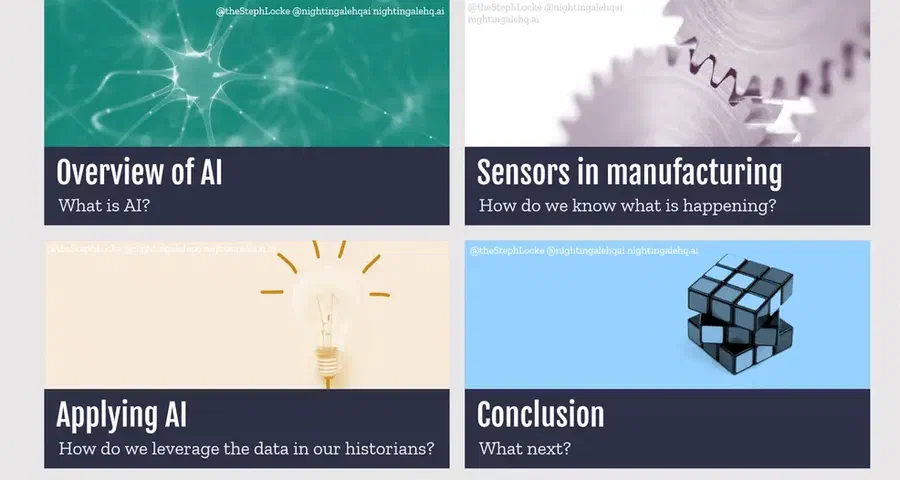
The Historian and AI Webinar (AIFightsBack)
- Steph Locke
- Archive , Learning , Blog
- May 15, 2020
- Updated
AI for manufacturing has huge potential. As well as clear AI use cases like robotics and automation, the wealth of data being consolidated into industrial time series via historian appliances presents an opportunity for further AI applications. Using the data being consolidated, we can build early warning systems for critical issues, optimise maintenance programs, and improve processes.
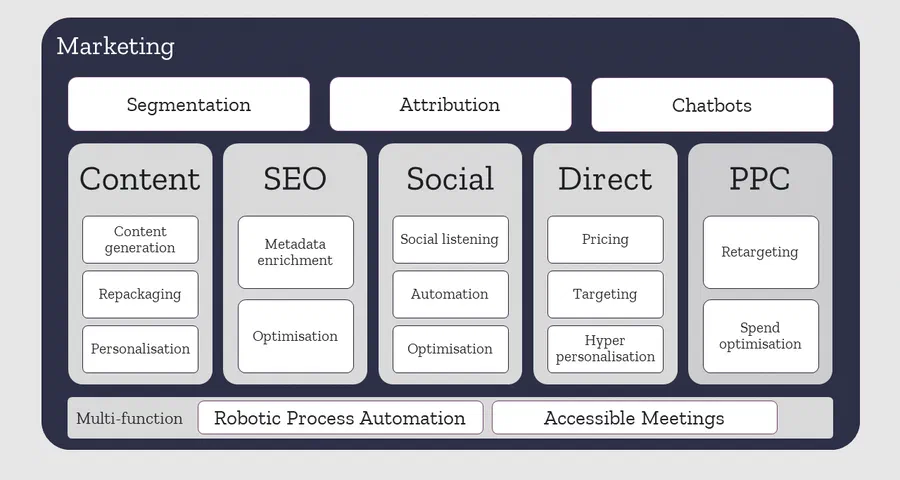
Artificial Intelligence for Marketers
Yesterday, we delivered the AI for Marketers webinar as part of our AIFightsBack series. Here, you will find the resources (slides, recording, information, and links) from the talk. As a sector, marketing is ripe for AI adoption due to the volume of data insights available. It's transforming how companies market their products and services to other businesses, streamlining processes at all levels of the sales funnel. Broadly speaking, AI can help to improve the customer journey and improve your ROI on campaigns. But how exactly?

No code. No data. No servers. How Marino Software became a ML company.
- Ruth Kearney
- Archive
- May 4, 2020
- Updated
Marino Software are one of the longest standing software consultancies in Ireland with almost 20 years under their belt they have seen their fair share of ups and downs. As part of our AIFightsBack webinar series CEO Keith Davey talks candidly about how they have morphed into a machine learning company helping their clients deliver exceptional customer experience. They have a pretty impressive list of clients who are testament to this service and it includes telcos, banks and retailers. Both slides and the webinar are available below.
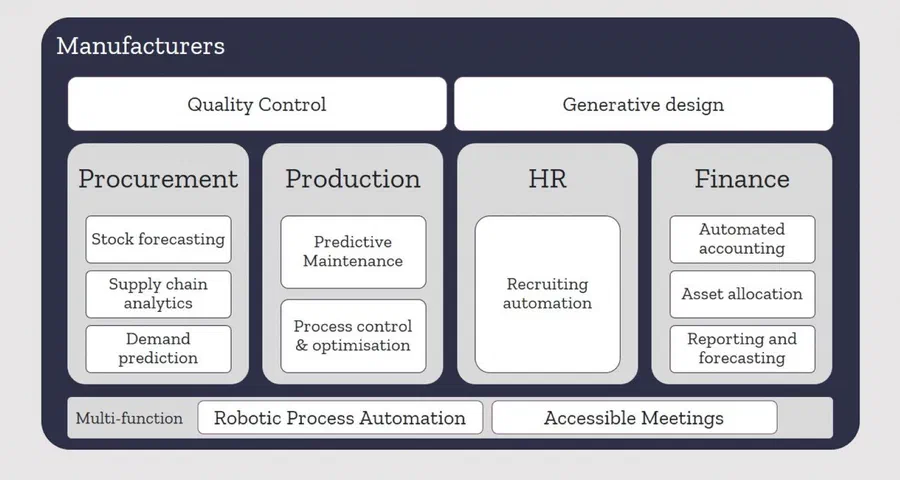
AI in Manufacturing (presentation, video, and quick guide)
- Steph Locke
- Learning , Archive
- Apr 24, 2020
- Updated
Yesterday, we ran our first AI in Manufacturing webinar, in association with the Irish Centre of Business Excellence. You can grab the slides, read up on the topic, and/or watch the webinar below.

Augmenting Customer Services with Chatbots
Last week we kicked off our AIFightsBack series to help businesses understand how AI can be used to support a safe and productive business during COVD-19 and beyond. The slides and video are now available.
Low ROI from AI is a people problem, not a tech problem
The top blockers to effective AI use in businesses aren't technical issues. They're people problems.
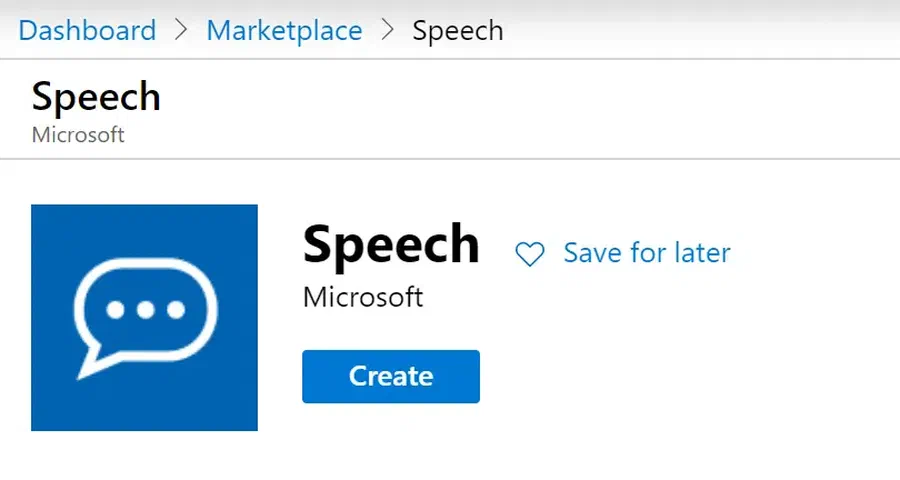
How to use Azure Cognitive Services to make voiceovers for your videos
- Mia Hatton
- Archive
- Mar 10, 2020
- Updated
In this post, we take you through how to use Microsoft's Cognitive Services to generate voiceovers for your videos. In practice, this technique for generating speech from text can be used in a wide range tasks but one of the ways we're using it at Nightingale HQ is to support our marketing team.

AI Winters and hype
This is not the first time AI has been all the rage in the business world. In particular, AI was big in the eighties with solutions called expert systems. Will AI be a passing fad now?

How IoT technology can be used to improve UK public transport
- Steph Organ
- Archive
- Feb 25, 2020
- Updated
There is no shortage of possible applications when it comes to Artificial Intelligence (AI) in the public sector, but while the UK government is investing heavily in AI in the private sector, what are they actually doing to implement it themselves? Some fear that governments using AI will result in a dystopian future of constant surveillance, but in reality, public sector applications of AI are far more pragmatic.

DataOps for everyone at #DataOpticon
- Steph Organ
- Archive
- Feb 17, 2020
- Updated
If there’s one thing that our CEO Steph Locke is passionate about, it’s data. Getting businesses’ data AI-ready, sharing knowledge around data skills and processes, and generally empowering people through data. Back in September 2019, Steph hosted the first ever DataOpticon in London, with a simple goal: to help people who work with data do it better.
Categories
Tags
- Artificial Intelligence
- Automation
- Cloud Technology
- Compliance
- Continuous Improvement
- Cutting Optimisation
- Data Strategy
- Digital Transformation
- Energy Management
- Glossary
- Inventory Management
- Inventory Management for Metals
- Ireland
- Manufacturing
- Metals
- Nightingale HQ and GoSmarter
- Procurement
- Production Planning
- Quality
- Research & Innovation
- Shape Code Technology
- Small & Medium Enterprises
- Steel Industry
- Supply Chain
- Sustainability
- Steel Tariffs
- Traceability
- Trade & International Steel
- Wales
About this Section
The GoSmarter blog covers AI and digital transformation from a metals manufacturing perspective. Practical use cases, implementation guides, industry strategy, and plain-English takes on the tech that actually matters on the shop floor.
No fluff. No thought-leadership waffle dressed up as insight. Just practical articles written for people who run metal cutting, distribution, and processing operations.
Topics covered include mill certificate automation, rebar cutting optimisation, scrap rate reduction, EN 10204 compliance, inventory management for steel stockholders, and the practical realities of replacing spreadsheets with AI-powered workflows. The blog also covers industry news relevant to UK and European metals manufacturers — tariffs, standards changes, and technology developments that affect your margins.
Articles are written for production managers, quality managers, operations directors, and business owners in metals manufacturing. Each post focuses on a specific, solvable problem: how to reduce scrap on a saw line, how to stop losing mill certificates, how to automate the cert-to-stock link without an IT project.
For deeper, structured guides on specific topics, see the GoSmarter hub pages — pillar content covering cutting optimisation, mill cert automation, yield tracking, and more.
Join the Resistance
Get the latest tips on how to stop running your factory like it’s 1985. We promise not to spam you with boring whitepapers.