GoSmarter AI Blog
Categories
Tags
Tags
- Artificial Intelligence
- Automation
- Cloud Technology
- Compliance
- Continuous Improvement
- Cutting Optimisation
- Data Strategy
- Digital Transformation
- Energy Management
- Glossary
- Inventory Management
- Inventory Management for Metals
- Ireland
- Manufacturing
- Metals
- Nightingale HQ and GoSmarter
- Procurement
- Production Planning
- Quality
- Research & Innovation
- Shape Code Technology
- Small & Medium Enterprises
- Steel Industry
- Supply Chain
- Sustainability
- Steel Tariffs
- Traceability
- Trade & International Steel
- Wales
About this Section
About this Section
The GoSmarter blog covers AI and digital transformation from a metals manufacturing perspective. Practical use cases, implementation guides, industry strategy, and plain-English takes on the tech that actually matters on the shop floor.
No fluff. No thought-leadership waffle dressed up as insight. Just practical articles written for people who run metal cutting, distribution, and processing operations.
Topics covered include mill certificate automation, rebar cutting optimisation, scrap rate reduction, EN 10204 compliance, inventory management for steel stockholders, and the practical realities of replacing spreadsheets with AI-powered workflows. The blog also covers industry news relevant to UK and European metals manufacturers — tariffs, standards changes, and technology developments that affect your margins.
Articles are written for production managers, quality managers, operations directors, and business owners in metals manufacturing. Each post focuses on a specific, solvable problem: how to reduce scrap on a saw line, how to stop losing mill certificates, how to automate the cert-to-stock link without an IT project.
For deeper, structured guides on specific topics, see the GoSmarter hub pages — pillar content covering cutting optimisation, mill cert automation, yield tracking, and more.
Manual vs Digital Inventory Tracking: Which Saves More Time?
- Steph Locke
- Blog
- Dec 9, 2025
- Updated
Digital inventory tracking cuts time and errors versus manual counts by automating scans, providing real‑time visibility and scalable workflows.
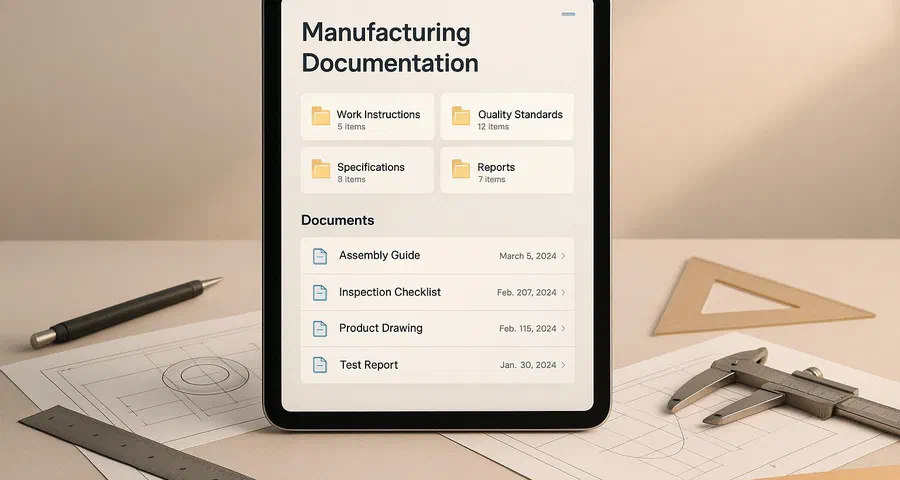
5 Best Practices for Managing Manufacturing Documentation
- Steph Locke
- Blog
- Dec 9, 2025
- Updated
Standardise, digitise and automate manufacturing records to improve traceability, version control and audit readiness.
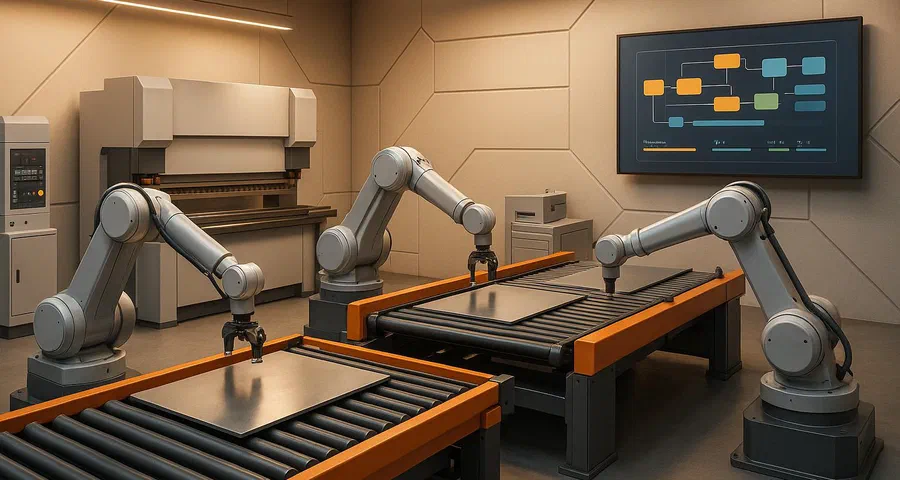
The Complete Guide to Streamlining Metal Fabrication Operations
How UK metal fabricators can reduce waste, cut lead times and boost output using workflow mapping, KPIs, AI scheduling and automation.
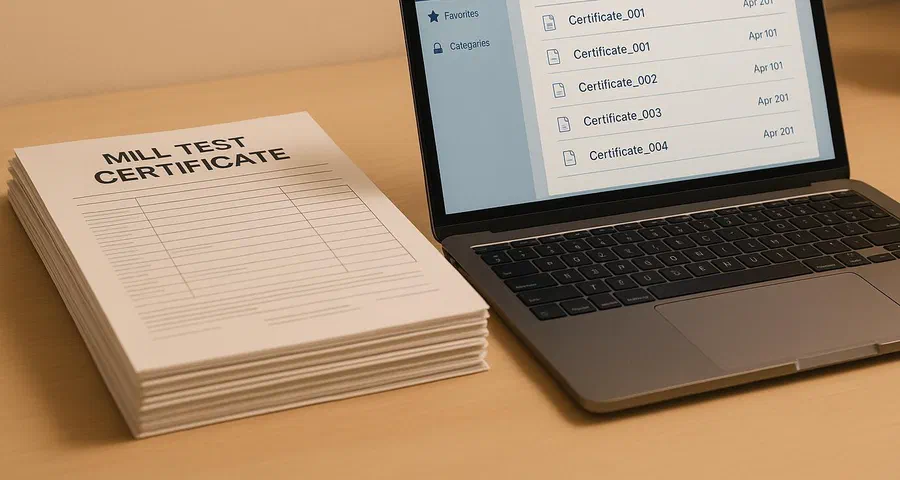
Mill Test Certificate Management: Common Questions Answered
Clear answers on Mill Test Certificates: what MTCs contain, EN 10204 types, verification, common issues and AI automation with digital audit trails.
7 Ways to Reduce Paperwork in Metal Manufacturing
- Steph Locke
- Blog
- Dec 8, 2025
- Updated
Seven digital strategies—AI docs, MES, cloud inventory, ERP and e-signatures—to cut paperwork, speed production and improve compliance.
Steel Mill Certificate Management Software: How to Automate in 5 Steps
Use steel certificate management software to automate mill cert handling in 5 steps — reduce errors, close compliance gaps, and stop wasting hours on manual admin.
Compliance Management Checklist for Metals Manufacturers
Comprehensive checklist for metals manufacturers covering UK REACH, import/export rules, ISO standards, supplier qualification, traceability, emissions and digital tools.
Wales Tech Week 2025: Connecting, Showcasing, and Inspiring Welsh Innovation
Wales Tech Week 2025 brought together leading figures from the Welsh tech ecosystem to connect, share insights, and celebrate innovation. Highlights included discussions on digitalisation in manufacturing, honest conversations about the role of failure in entrepreneurship, and a strong focus on collaboration and funding for the sector. Nightingale HQ was recognised with the Best Greentech Award for its work in sustainable manufacturing, reflecting the event’s emphasis on impactful technology and the growing global reputation of Welsh tech.

Nightingale HQ team attend UK Metals Expo
- Steph Locke
- News
- Sep 9, 2025
- Updated
Nightingale HQ team attend UK Metals Expo on 10 and 11 September at the NEC, Birmingham.

CBAM Explained: The Financial Case for Cutting Scrap
- Ruth Kearney
- Learning , Blog
- Aug 21, 2025
- Updated
The steel industry faces increasing pressure to decarbonise, with the EU’s Carbon Border Adjustment Mechanism (CBAM) set to become a decisive factor by 2026. Scrap is no longer just a production inefficiency it directly increases reported emissions and carbon costs. For Finance and Sustainability Managers, reducing scrap is now central to meeting carbon targets and protecting margins.
Categories
Tags
- Artificial Intelligence
- Automation
- Cloud Technology
- Compliance
- Continuous Improvement
- Cutting Optimisation
- Data Strategy
- Digital Transformation
- Energy Management
- Glossary
- Inventory Management
- Inventory Management for Metals
- Ireland
- Manufacturing
- Metals
- Nightingale HQ and GoSmarter
- Procurement
- Production Planning
- Quality
- Research & Innovation
- Shape Code Technology
- Small & Medium Enterprises
- Steel Industry
- Supply Chain
- Sustainability
- Steel Tariffs
- Traceability
- Trade & International Steel
- Wales
About this Section
The GoSmarter blog covers AI and digital transformation from a metals manufacturing perspective. Practical use cases, implementation guides, industry strategy, and plain-English takes on the tech that actually matters on the shop floor.
No fluff. No thought-leadership waffle dressed up as insight. Just practical articles written for people who run metal cutting, distribution, and processing operations.
Topics covered include mill certificate automation, rebar cutting optimisation, scrap rate reduction, EN 10204 compliance, inventory management for steel stockholders, and the practical realities of replacing spreadsheets with AI-powered workflows. The blog also covers industry news relevant to UK and European metals manufacturers — tariffs, standards changes, and technology developments that affect your margins.
Articles are written for production managers, quality managers, operations directors, and business owners in metals manufacturing. Each post focuses on a specific, solvable problem: how to reduce scrap on a saw line, how to stop losing mill certificates, how to automate the cert-to-stock link without an IT project.
For deeper, structured guides on specific topics, see the GoSmarter hub pages — pillar content covering cutting optimisation, mill cert automation, yield tracking, and more.
Join the Resistance
Get the latest tips on how to stop running your factory like it’s 1985. We promise not to spam you with boring whitepapers.