Manufacturers: Are you digitising or digitalising?
- Steph Locke
- Archive
- June 22, 2021
- Updated:
Table of Contents Show Hide
There has been a lot of confusion over the years about the difference between digitising and digitalising. In this article, I will discuss the differences between the two and what each one means to the manufacturing sector. I will also be looking at how Covid-19 has sped up the digitisation within manufacturing and how best to carry this forward.
What’s the difference?
To digitise your business means to perform traditionally analog processes or actions digitally. You move the tools you’ve always used online, but you’re still using them in the same way. An example of digitisation in general manufacturing operations would be your workers using tablets instead of paper. They are still doing the same tasks they always would just digitally instead of using paper. Cutting down on unnecessary waste and space usage as a result.
To digitalise your business is a much more intensive change as it involves re-engineering how you do things to take advantage of the latest technologies and insight. It’s a completely new way of doing things that opens new markets and new possibilities. An example of digitalisation in the manufacturing sector would be intelligently connecting logistics to production, connecting your entire business together to handle supply and demand changes more quickly. By digitally linking two parts of your business, you’ve forever changed how you operate but have made it more effective in the process.
Looking beyond digitisation
Digitisation has many positive effects on manufacturing as it can speed up the entire manufacturing processes through integration. This does not have to mean major visionary change but can mean the use of innovative technologies to improve and create new ways of doing things. It’s just as much about incremental improvements through tactical actions. Digitisation can be viewed as a step in the right direction towards digitalisation by involving the use of newer technologies. To stay competitive manufacturers must look at digitisation as a stepping stone to digitalisation.
Digitisation has often been seen as a long-term goal and has been a slow process for many. However, with the onset of the global pandemic and new restrictions requiring fewer workers, manufacturers have had to digitise and fast. This has also resulted in an important shift in the mindset of manufacturers as they are more open to trying out new technologies and accelerating levels of technology adoption.
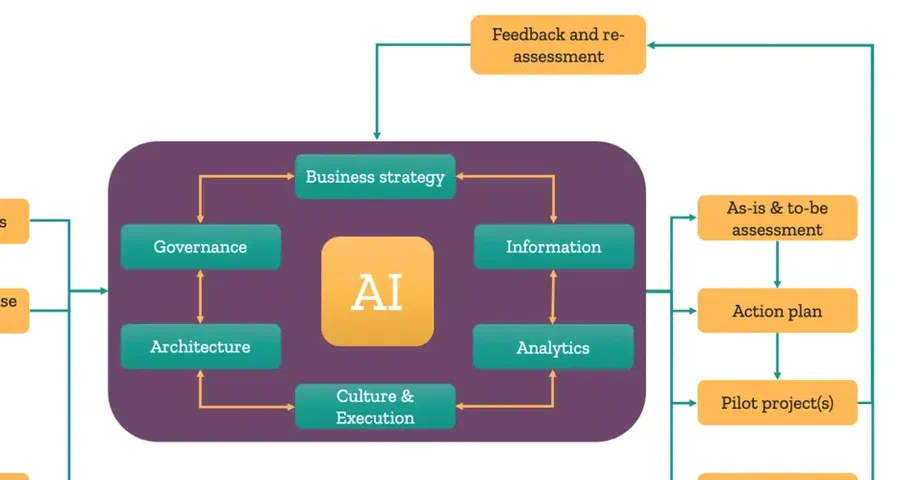
Manufacturers who don’t want to be left behind are adopting new technologies, such as AI, to improve efficiency and increase margins. We need to capture this new ‘mindset’ as a valuable opportunity to go beyond the benefits of merely updating old processes and to truly innovate.
The future is digitalisation
The shift to a more digitalised approach results in smarter and better-designed products as well as more cost-effective and innovative manufacturing processes. Rather than a few changes here and there, digitalisation involves a complete change in how to do business. This involves integrating newer technologies such as AI, IIoT, Computer Vision, and Machine Learning and completely changing old processes.
In addition to advancing technology, the competitive landscape now involves many other non-traditional manufacturing businesses, who have strong technical expertise, and have become competitors. Manufacturers need to be ready for the new challenges that this brings, and it’s essential that they take the right strategic approach to digitalisation.
Further reading
About the Author

Co-founder & Head of Product
Steph Locke is Co-founder and Head of Product at GoSmarter AI — former Microsoft Data & AI MVP building practical tools to cut paperwork and automate compliance for metals manufacturers.