How IoT technology can be used to improve UK public transport
- Steph Organ
- Archive
- February 25, 2020
- Updated:
Table of Contents
There is no shortage of possible applications when it comes to Artificial Intelligence (AI) in the public sector, but while the UK government is investing heavily in AI in the private sector, what are they actually doing to implement it themselves? Some fear that governments using AI will result in a dystopian future of constant surveillance, but in reality, public sector applications of AI are far more pragmatic.
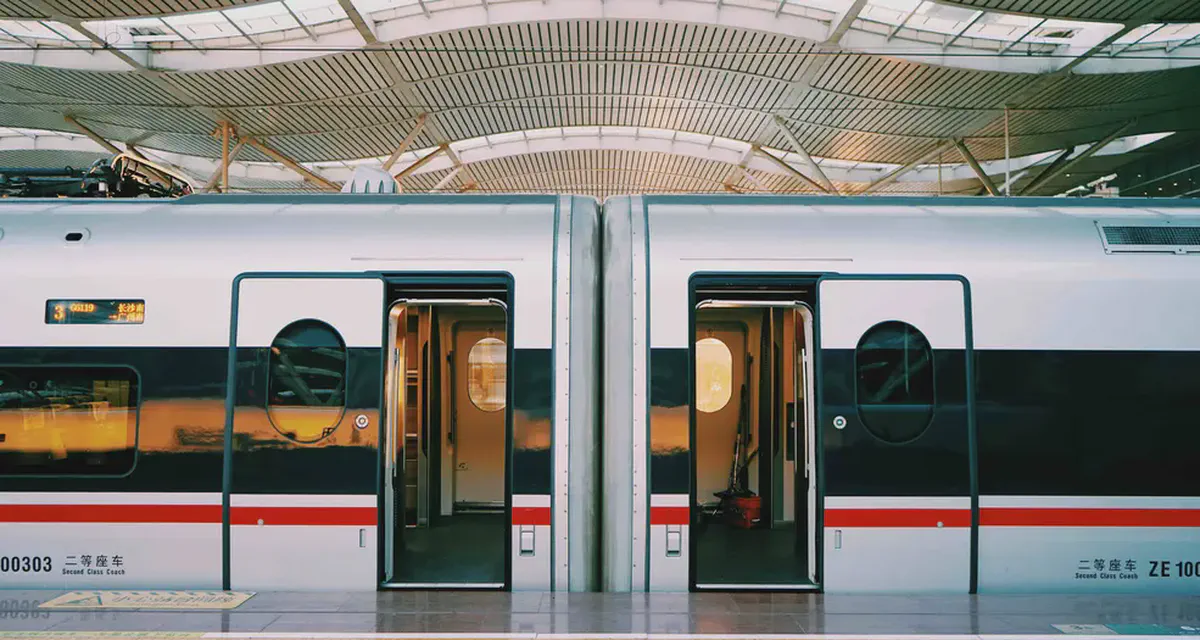
One opportunity can be found on the tracks of our nation. Although British Rail was privatised between 1994 and 1997, some segments have come back under public control, such as the East Coast Line, Northern Rail and Transport for Wales. A large proportion of our railways that aren’t UK owned are also run by governments, just not our own.
UK trains can be a bit of a nightmare, and like the weather, we all love to complain about them. But thanks to AI, or more specifically, the Internet of Things (IoT), governments and private owners can finally make some meaningful changes.
The concept of digital twins heightened around 20 years ago, and systems continue to develop, using this concept paired with IoT to create predictive maintenance models or optimise products or streamline whole systems. It is this approach that one rail company has already trialled and will be rolling out across their whole network.
The system built by Toshiba Digital and proven to work in Japan is already making an impact on Greater Anglia’s network. Using a vast collection of data encompassing every detail from track infrastructure to rules and regulations, individual train performance and timetables, the system is able to predict when delays might occur, giving rail teams more time to plan and respond to issues.
The system can also produce optimal timetables, for example, if a train is put out of service, providing multiple alternatives based on the digital copy and how it would affect the whole system - far more effective than the solutions produced on brainpower alone.
The implications of this technology are obvious, with fewer delays and happier customers across the board. Other companies are likely to adopt such methods and this form of AI in transport can be applied to other public services, meaning Britain could soon see a future of smooth-running train services and more reliable public transport, rather than the dystopian world of an all-knowing government.


