International ASTM Standards: The Foundation of Quality, Compliance, and Traceability
- Ruth Kearney
- Blog , Learning
- June 12, 2026
- Updated:
Table of Contents Show Hide
Whether you manufacture steel products, fabricate structural components, produce pressure vessels, or supply materials into regulated industries, you have almost certainly encountered ASTM standards.
They appear on Mill Test Certificates (MTCs), Material Test Reports (MTRs), purchase specifications, engineering drawings, and quality documentation across the world.
But what exactly are ASTM standards, and why do they matter so much to manufacturers?
What Are ASTM Standards?
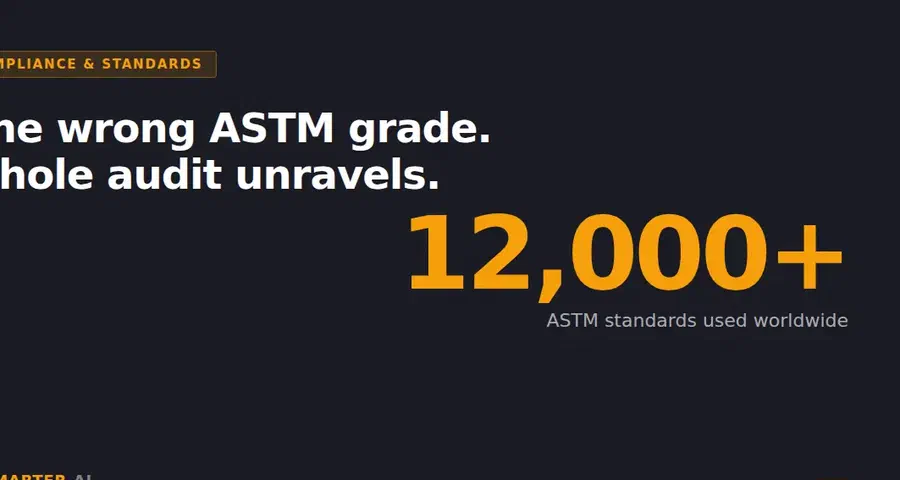
ASTM International (formerly the American Society for Testing and Materials) is one of the world’s largest standards development organisations. Founded more than 125 years ago, ASTM develops internationally recognised standards covering materials, products, testing methods, and manufacturing processes. Today, more than 12,000 ASTM standards are used globally. They span construction, manufacturing, aerospace, and energy.
These standards provide a common language. Manufacturers, suppliers, customers, and regulators all work to the same specifications, regardless of location.
Put simply, ASTM standards help ensure that a product made in one country performs exactly as expected when used in another.
Why ASTM Standards Matter
Manufacturers face growing pressure to prove quality, consistency, and compliance.
Without recognised standards, every supplier would define materials differently. Procurement, quality control, and international trade would become far more complex.
ASTM standards help organisations:
- Improve product quality
- Ensure material consistency
- Reduce manufacturing risks
- Simplify supplier qualification
- Support regulatory compliance
- Enable international trade
- Improve customer confidence
For manufacturers in regulated sectors, ASTM standards are often the backbone of the quality assurance system.
ASTM and Metals Manufacturing
In the metals industry, ASTM standards define many of the materials used every day.
Examples include:
- ASTM A36 — Structural Steel
- ASTM A516 — Pressure Vessel Plate
- ASTM A240 — Stainless Steel Plate
- ASTM A312 — Stainless Steel Pipe
- ASTM F3125 — Structural Bolts
These standards specify requirements such as:
- Chemical composition
- Mechanical properties
- Manufacturing requirements
- Testing procedures
- Inspection criteria
- Acceptance limits
When a mill certificate references an ASTM grade, it confirms that the material was produced and tested against those defined requirements.
Different Types of ASTM Standards
Many people think ASTM only covers material grades. The standards are much broader.
Material Specifications
These standards define what a material must contain and how it should perform. Examples include steel, aluminium, fasteners, plastics, and composites.
Test Methods
These standards define how testing is carried out, so results stay consistent and repeatable.
Examples include:
- Tensile testing
- Hardness testing
- Impact testing
- Chemical analysis
- Wear and abrasion testing
A test performed in Cardiff should produce comparable results to the same test performed in Chicago, Mumbai, or Düsseldorf.
Practices and Guides
These provide recommended approaches for inspection, quality management, and technical procedures.
Terminology Standards
These ensure that technical terms carry consistent meanings across industries and regions.
ASTM and International Trade
Although ASTM originated in the United States, it has become a truly global standards organisation.
Manufacturers in more than 100 countries rely on ASTM standards to source materials, qualify suppliers, and confirm compliance. ASTM’s membership includes technical experts from over 140 countries who develop and maintain the standards.
For companies exporting products internationally, ASTM standards often act as a passport. They help materials and products move more easily through global supply chains.
ASTM Standards and Mill Certificates
For quality managers, procurement teams, and auditors, ASTM standards are most visible on Material Test Reports and Mill Test Certificates.
Every day, manufacturers manually review certificates to confirm:
- Material grades
- Heat numbers
- Chemical composition
- Mechanical properties
- Compliance with customer specifications
The challenge is that these documents arrive in different formats from different suppliers.
A large manufacturer may process thousands of certificates every year.
The Growing Compliance Challenge
As supply chains grow more complex, managing ASTM-related documentation becomes harder.
Common challenges include:
- Missing certificates
- Inconsistent document formats
- Manual data entry
- Time-consuming audits
- Traceability gaps
- Supplier compliance verification
Many organisations still rely on spreadsheets, email folders, and shared drives to manage critical compliance information.
The result is significant administrative effort and increased risk.
How Artificial Intelligence (AI) Is Transforming ASTM Compliance
Forward-thinking manufacturers now use AI to automate certificate processing and compliance management.
Instead of reviewing every document by hand, AI can:
- Extract ASTM grades automatically
- Identify heat numbers and material properties
- Validate certificate data
- Detect missing information
- Create searchable digital certificate libraries
- Support audit preparation
- Improve material traceability
This cuts administration while improving visibility, consistency, and compliance across the organisation.
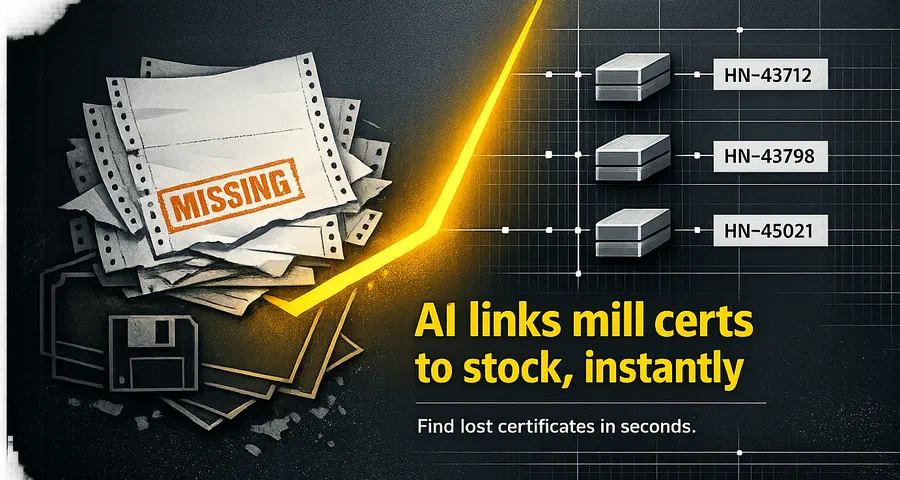
GoSmarter’s MillCert Reader, built by Nightingale HQ, does exactly this for ASTM and EN 10204 certificates. It reads the grade, heat number, and measured properties from each document. It then validates them against the expected ranges for that grade. Non-conforming material is caught at goods-in, not halfway through a job.
Less Paper. More Metal.
ASTM standards are far more than technical references buried in engineering specifications.
They provide the framework that lets manufacturers around the world produce, test, verify, and trade materials with confidence.
For quality and compliance teams, the challenge is not understanding ASTM standards. It is managing the growing volume of documentation that comes with them.
That is why manufacturers now use AI-powered tools to automate certificate management, improve traceability, and cut hours of manual admin.
Because every hour spent chasing paperwork is an hour not spent making product.
Start Your Free Trial →Or see what GoSmarter does with your actual certificates. Bring one along to the call.
Frequently Asked Questions
What does ASTM stand for?
What is the difference between an ASTM standard and an EN standard?
Do ASTM standards apply outside the United States?
Go Deeper
- Mill Certificate Automation for Metals Manufacturers — the complete guide to what GoSmarter does with mill certs
- GoSmarter MillCert Reader product page — features, pricing, and first-month offer
- AI for Mill Test Report Traceability — how AI cuts MTR handling from minutes to seconds
- BS EN 1090 and NSSS Compliance — the structural steel paperwork standards demand
GoSmarter is made by Nightingale HQ, a UK-based AI company building practical tools for metals manufacturers since 2018.
About the Author

Co-Founder & CEO
Ruth Kearney is Co-Founder and CEO of GoSmarter AI — driving commercial growth and strategic partnerships to help metals manufacturers adopt AI and digital tools that actually deliver on the shop floor.