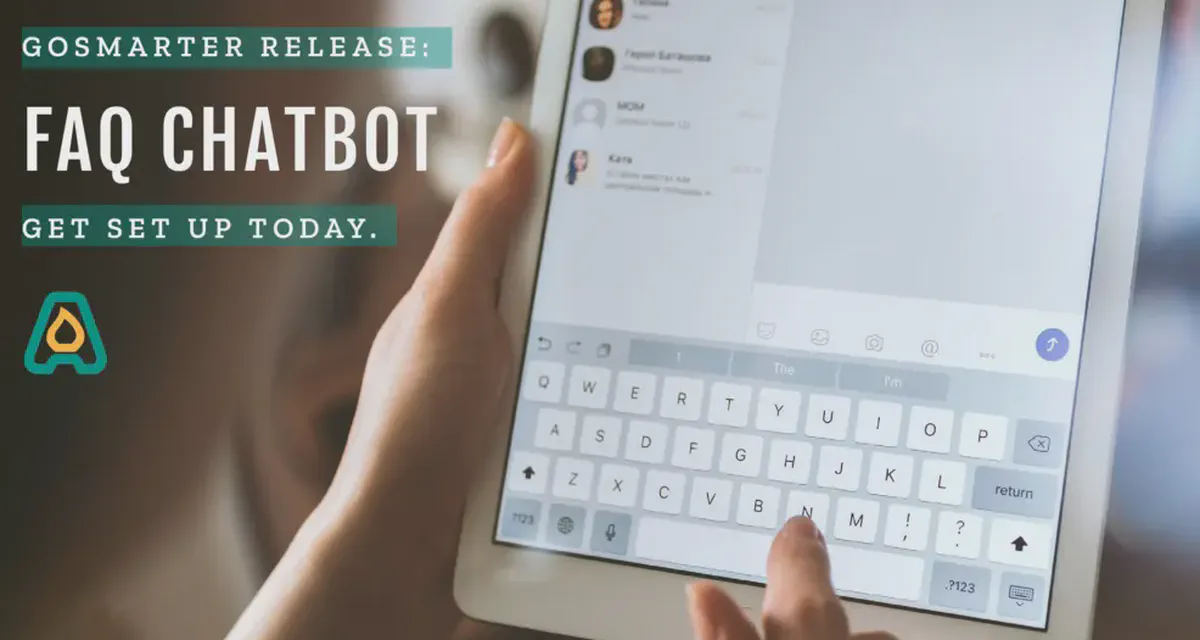
Boost operational efficiency with chatbots
- Steph Organ
- Archive
- February 11, 2021
- Updated:
Table of Contents
Many businesses are facing a pressing need to tidy up their operations, cut costs, and increase productivity due to the global pandemic. One surprising tool that can help you streamline processes is a chatbot. Everyone knows how chatbots can enhance customer service, but there are many other areas where a chatbot can be applied. In this article we explore how chatbots can bring about operational efficiencies when used for internal processes such as supporting HR and company communications.
Enhance employee productivity
Similar to their applications in customer service, internal chatbots can be used to power through repetitive queries and act as a round-the-clock contact point. No one has to waste time explaining the same processes, and everyone gets immediate access to required information as they need it, no waiting around for responses. This allows your team to save time and energy and be more productive.
Some areas this can be applied to include:
- Onboarding processes
- HR support
- Scheduling meetings, rooms or time off
- Locating files or procedures
Support HR
Chatbots can be very valuable within an HR team to make sure everyone gets the answers they need when they need them. They can answer the general questions from all employees about things like annual leave, specific policies, or other workplace information. This allows HR to focus on more complex queries and other tasks such as recruitment and payroll.
New recruits can be guided through the onboarding process by a chatbot, making this a far less manual process and allowing them to go at their own pace rather than waiting for next steps. This can also be applied to other areas of training and career development, significantly speeding up the training process.
With the rise of remote working, HR teams have had to take on the challenge of making sure employees are equipped for working from home, whether that's with training on tools and processes, or wellbeing and coping mechanisms. Chatbots can also take the load off here, offering an easy way to access this important information.
Support internal communications
Internal communications allow employees to stay connected and informed and facilitate collaboration. Chatbots can save your employees valuable time and energy, helping them invest more energy in their projects.
They can remove the need for pointless back and forth communication like booking a room or even suitable time for a meeting. Or they can streamline communications between departments where a process has to be explained, acting as a walk-through guide, rather than taking up a department's time on repetitive interactions.
Another way to apply chatbots to internal communications is to report issues to the relevant teams, or to delegates tasks and keep track of who completes them and when.
Examples of chatbots in action
Letterbox Lab is a subscription-based science kit service that experienced a huge surge in demand during the UK lockdowns. To help the small team optimise their operations and cope with the increased demand, director Mia Hatton deployed the FAQ Chatbot. With "letterBOT" now guiding new users through their product range and helping them to choose the right subscription, Mia said this relieved pressure and meant they could deal with more queries online.
My Discombobulated Brain is a mental health charity reliant on events and fundraisers. Since Covid-19 hit it has become more important than ever to keep costs down while still providing a quality service. The FAQ chatbot was the ideal tool to help them do this. Founder Laura Dernie said the team saved loads of time and people got the answers they want immediately, allowing the team to spend time working on their new campaign without worrying about missing a question from a supporter.
A no-code custom solution
If you don't yet have a chatbot, or you are looking to build a more personalised tool that you can manage yourself, get in touch to discuss your options.