British Steel to be Nationalised: UK Government Steps in Amid Owner Transition
- BlogSmarter AI
- Blog
- March 31, 2026
Table of contents Show Hide
The UK government is preparing to fully nationalise British Steel in the coming weeks. Months of talks with its Chinese owner, Jingye, have not produced a deal. Ministers assumed responsibility for the steelmaker’s day-to-day operations a year ago to keep it running.
Government Intervention to Secure the Industry
British Steel operates the last two remaining blast furnaces in the UK. The Scunthorpe plant employs 3,500 people directly and supports tens of thousands of jobs in the wider supply chain. However, the business has faced significant financial challenges, with operational losses and mounting costs. According to the National Audit Office, keeping the plant running cost £377m by January this year. That figure could exceed £1.5bn by 2028 if nothing changes.
Concerns escalated when Jingye announced plans to shut down the Scunthorpe site in March 2025. Jingye had acquired the company out of insolvency in 2020. Closing the site would have ended the UK’s capacity for primary steel production. Blast furnaces create steel from iron ore from scratch. Electric arc furnaces recycle scrap metal instead.
To prevent this, ministers designated the steel industry as vital to national security. That opens the door to nationalisation on security grounds. A government spokesperson commented, “We have been clear that safeguarding UK steelmaking is our priority. We continue to engage with the owner to find a solution that protects workers, production and the national interest, and we will not comment further while discussions are ongoing.”
Ownership Negotiations and Industry Challenges
Efforts to negotiate a deal with Jingye have been ongoing. Earlier this month, the government reportedly offered £100m for British Steel. Jingye rejected it, holding out for over £1bn. If further talks fail, ministers may impose a deadline to finalise the transfer of economic control within weeks.
The government’s intervention is also driven by the need to stabilise the company before seeking potential private buyers. British Steel has already attracted interest, with Miami-based investor Michael Flacks declaring himself “very” interested in February. Officials have indicated that there are other parties showing early interest as well.
However, any new owner would need to commit to significant investment to modernise the Scunthorpe plant. This would include replacing its polluting blast furnaces with electric arc furnaces (EAFs), which are less reliant on fossil fuels.
Industry Response and National Security Implications
The director general of UK Steel, Gareth Stace, expressed support for the government’s plans, saying, “This would provide vital certainty for the workforce, the company’s customers and the wider supply chain at a critical moment. Maintaining domestic production capability for British Steel’s products is essential not only for economic growth but also for our national security and resilience. This will hopefully mark the beginning of a clear and credible long-term plan for British Steel.”
To protect domestic producers, the government recently announced plans to double tariffs on imported steel. It will also reduce the volume that can be brought in from abroad. The aim is to stop cheap Chinese steel from driving down market prices.
Future Prospects for British Steel
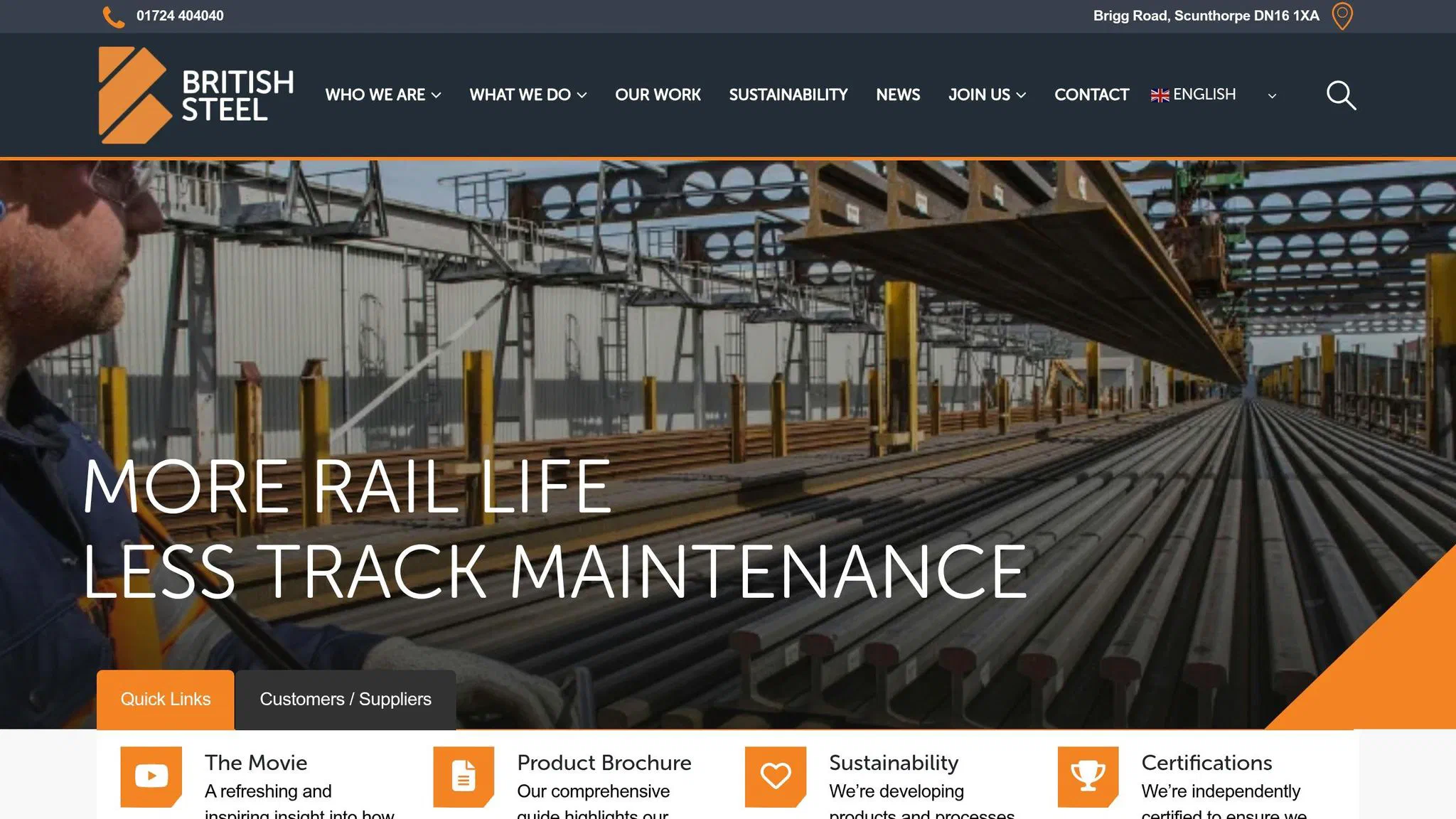
While British Steel remains an important player in the UK economy, its path to stability has been fraught with challenges. Greybull Capital acquired the company in 2016, but it collapsed into insolvency three years later. Jingye then bought it out of administration. The Scunthorpe plant was reportedly losing £700,000 per day when Jingye announced closure plans last year. Recent efforts to increase output aimed to cut those losses.
The nationalisation of British Steel marks a significant moment for UK industrial strategy. The government moved quickly to preserve domestic steelmaking, protect jobs, and keep the sector viable long-term. But with costs rising and major investment still needed, the future of British Steel remains unresolved.
Timeline of Key Events
- 2020 — Jingye acquires British Steel out of insolvency, pledging investment in the Scunthorpe site.
- March 2025 — Jingye announces plans to shut down the Scunthorpe blast furnaces, triggering emergency government intervention.
- April 2025 — Ministers assume direct control of day-to-day operations to keep the plant running.
- January 2026 — The National Audit Office reports the government has spent £377m keeping British Steel operational.
- February 2026 — Miami-based investor Michael Flacks publicly declares interest in acquiring the business.
- Early 2026 — Government tables a £100m offer for the company; Jingye holds out for over £1bn.
- March 2026 — Steel designated as vital to national security. Full nationalisation expected within weeks.
What This Means for UK Fabricators and Service Centres
If you buy long products — sections, rail, wire rod, or structural beams — from British Steel, you have a direct interest in how this plays out.
Nationalisation itself does not mean production stops. In the short term, it may actually bring more certainty than the months of instability under Jingye. The Scunthorpe site is expected to keep running under government control while a longer-term buyer is found.
But there are real risks worth planning for now:
- Supply continuity: Transition periods create operational uncertainty. If British Steel is a primary source of structural sections or rail for your operation, review your buffer stock and qualify alternative sources before you need them.
- Pricing: The government’s doubled import tariffs make cheap overseas substitutes less attractive. Domestic prices could firm up. They could also swing unpredictably, depending on how quickly any new owner commits to production targets.
- Lead times: Ownership changes stretch lead times without warning. Build that contingency into your procurement schedule. Waiting for a problem to arrive on the shop floor is the expensive approach.
The steel may keep flowing for now. Procurement teams that track this closely will be far better placed than those that assume business as usual.
What to Watch Next
Three things worth monitoring over the coming weeks:
- The nationalisation vote — legislation is expected in parliament imminently. The timeline and any conditions placed on the transfer of ownership will determine how quickly the situation stabilises.
- Electric arc furnace investment — any new owner or government plan must commit to replacing the blast furnaces with EAFs, which use scrap steel rather than iron ore and produce far lower carbon emissions. The scale and timing of that investment determines whether Scunthorpe has a viable long-term future.
- Import tariff impact — the doubled tariffs are designed to protect domestic producers. Watch whether they push up prices for fabricators sourcing domestically, and whether that changes your landed cost calculations for imported alternatives.