£70m, 120,000 Tonnes, and Scunthorpe Back in Full Swing
- BlogSmarter AI
- Blog
- March 19, 2026
- Updated:
Table of Contents
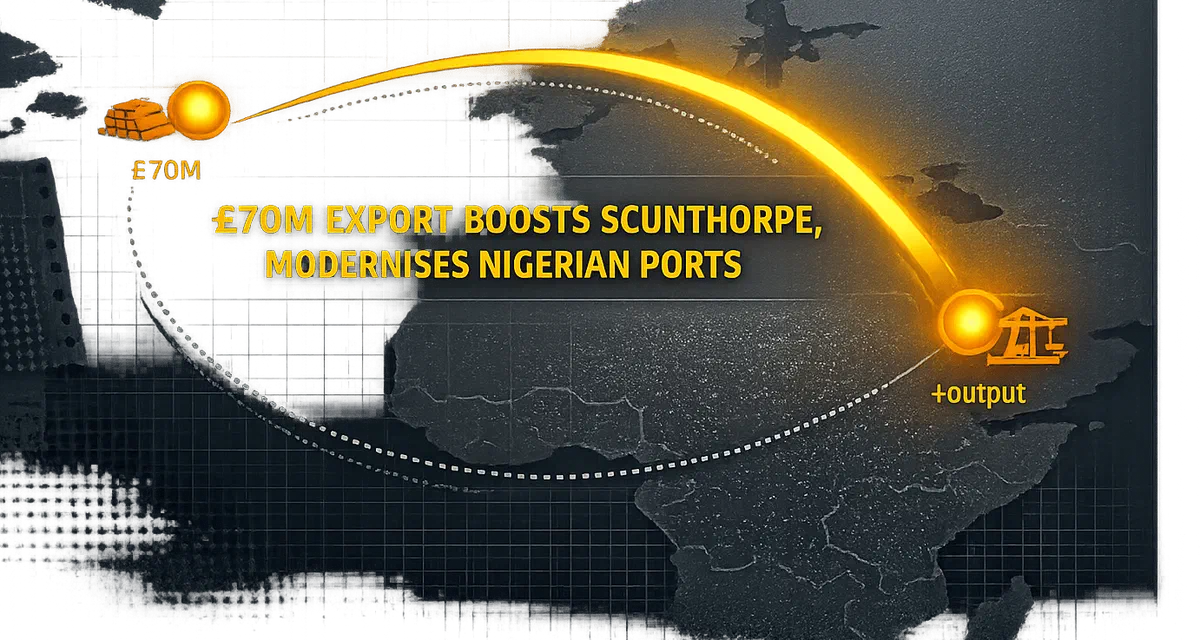
British Steel just signed the biggest export deal in its recent history. £70 million. 120,000 tonnes of steel billets, made in Scunthorpe, heading to Nigeria. The destination? Two major port complexes — Tin Can Island and Lagos Apapa — that haven’t seen serious rehabilitation since they were first built in the mid-to-late 1900s. That’s not a small contract. That’s British manufacturing doing exactly what it’s supposed to do.
4,000 Workers in Scunthorpe Just Had a Very Good Week
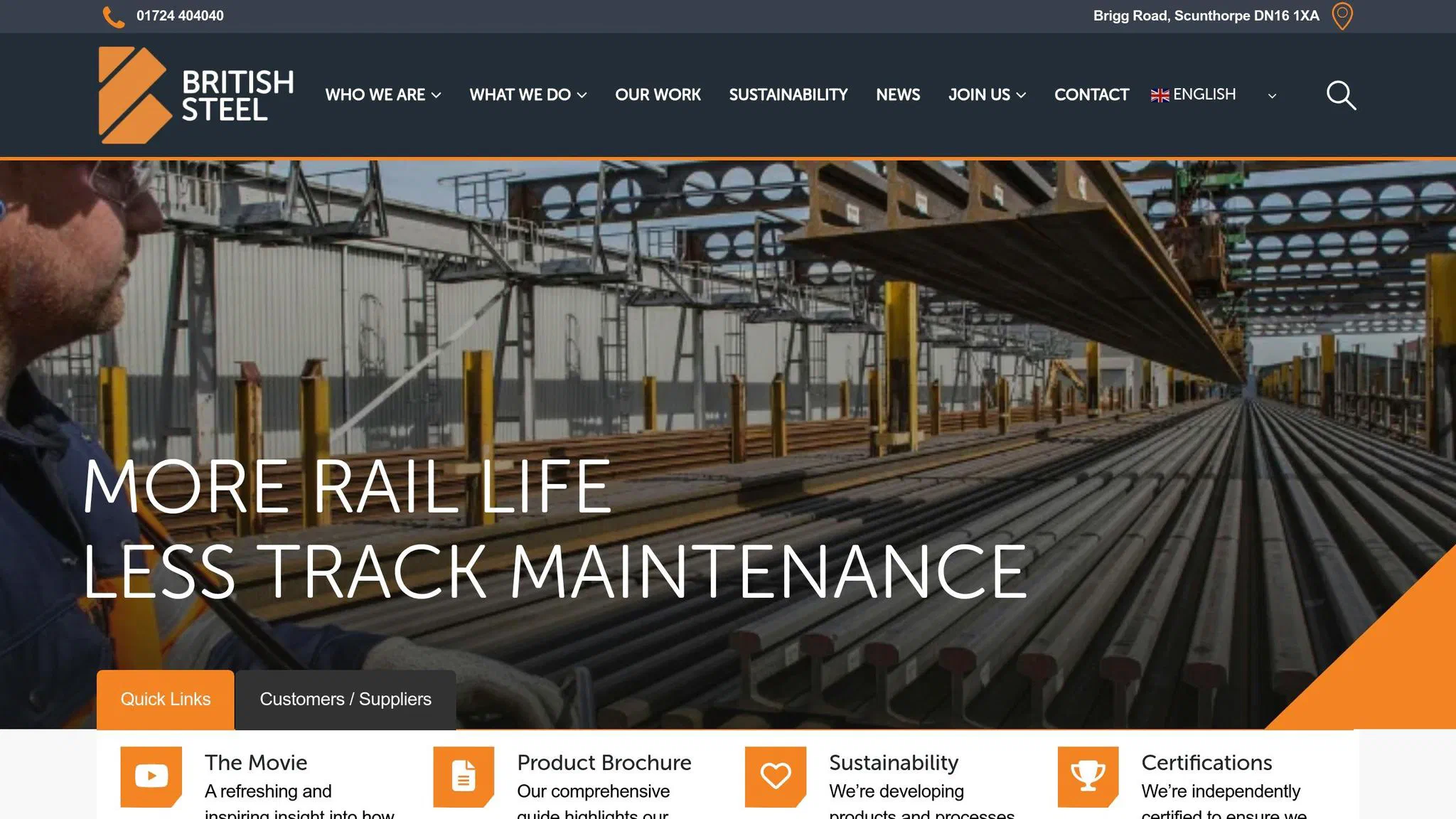
The agreement is a turning point for British Steel. Chief Executive Allan Bell called it a “record-breaking contract” — and he wasn’t being modest. This deal directly backs British Steel’s 4,000 employees and the wider supply chains that depend on them.
“This is a record-breaking contract for British Steel and a major boost to our 4,000 employees and many more people in our supply chains”, said Bell. “After government intervention last April, everyone at British Steel has worked hard to stabilise the company. This deal represents us moving from stabilisation to building long-term sustainability for the business.”
The contract stands out not only for its size but also for its backing by UK Export Finance (UKEF) — the largest such order ever secured with UKEF support. Bell added: “As one of the largest ever orders for billet in the history of this company, it marks a tremendous vote of confidence in British Steel and UK manufacturing. And as the biggest order we have ever secured with UK Export Finance, it demonstrates how we are working with the UK Government to meet the global demand for our products.”
Ports That Haven’t Been Touched Since the 1970s. Not For Much Longer.
The project aims to modernise critical port infrastructure in Nigeria. Ronald Chagoury Jr., Vice-Chairman of Hitech Construction Africa Ltd, put the scale of the challenge plainly: “Tin Can Island and Lagos Apapa ports are currently at a critical stage, as they have not undergone any significant rehabilitation since they were originally built in the mid-to-late 1900s. Our objective today is to give them a new life for at least the next 50 years, while significantly increasing their capacity and enabling them to accommodate larger vessels, faster turnaround times, and higher volumes of trade, positioning Nigeria as the regional leader in maritime logistics and supporting the country in unlocking its trillion-dollar economy.”
British Steel’s 140mm rebar-type billets are a semi-finished steel product — the raw building block that goes into rebar, reinforcement, and structural works. Built to last. Shipments begin this spring and run for three years.
When Government Backing Actually Delivers Something Real
Business and Trade Secretary Peter Kyle praised the deal: “Hot on the heels of our landmark Steel Strategy, this is a major win for British Steel made possible by UK Export Finance which is testament to the quality of UK-made steel and the booming UK-Nigeria relationship.”
Tim Reid, CEO at UK Export Finance, was direct: “This deal represents a milestone for UK-Nigeria trade relations and demonstrates the full capacity of UK Export Finance to unlock transformational opportunities for British businesses, while supporting sustainable economic growth in key markets.”
Craig Harvey, British Steel’s Commercial Director for Semi-Finished Products, wasn’t short on confidence: “Our capacity and capability ensure we offer a unique solution to the developers of major infrastructure projects, and this contract underlines our world-wide reputation for delivering market-leading products with first class logistics. We’re delighted to have secured this order and look forward to supporting this exciting development.”
The project is expected to direct over £200 million back into the UK economy.
Two Major Export Wins in Two Months. British Steel Is on a Roll.
This is the second major export contract British Steel has secured in recent months. In February, the company announced another significant order — worth tens of millions of pounds — for a high-speed railway project in Türkiye. Two wins. Two months. Both large-scale infrastructure projects, both backed by government financial tools.
British Steel’s leadership see this as a vital step toward long-term sustainability. And as a signal that UK manufacturing can still compete on the global stage, it’s a compelling one.
What a Production Surge Means for the Rest of the Industry
When a major steelmaker ramps up, the pressure doesn’t stay at the top. It flows down. Service centres get busier. Fabricators face tighter lead times. Stockholders have to manage larger, faster-moving inventory.
Somewhere in that chain, a production manager is trying to do all of this with software built in 2015.
More throughput with the same tools doesn’t give you more output. It gives you more chaos.
The companies that benefit from the next wave of demand are the ones with their operations under control. That means knowing your yield before you cut. Reading your mill certificates in seconds, not minutes. Planning your nesting runs without calling in a favour from whoever “knows how the software works.”
That’s exactly what GoSmarter was built for. Start for free →